






















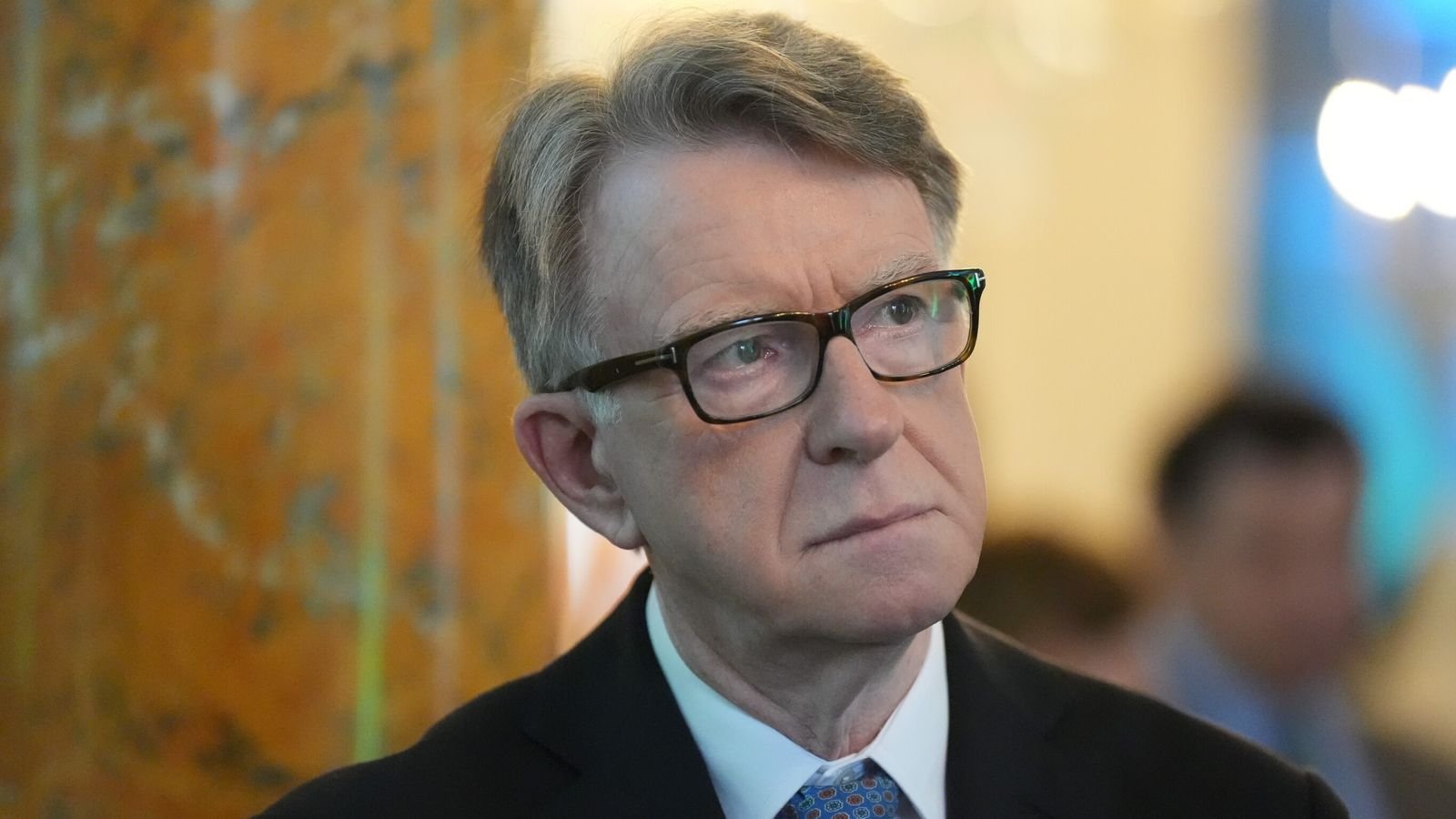
Peter Mandelson Resigns from Labour Party Amid Epstein Scandal
Peter Mandelson, a prominent figure in the UK Labour Party, has announced his resignation, citing the latest allegations concerning his connections to the disgraced financier Jeffrey Epstein. Mandelson, who has had a turbulent political career, described his departure as a necessary step to prevent further humiliation for the party.
Context of the Resignation
The controversy surrounding Mandelson intensified over the weekend following revelations regarding alleged payments from Epstein to Mandelson’s partner, as well as Epstein’s lobbying activities directed at a Labour chancellor regarding tax policies. In a further blow to his reputation, Mandelson was also photographed in a compromising manner, which has raised eyebrows within the party and across the political spectrum.
Upon stepping down, Mandelson refuted some allegations stemming from the Epstein files, claiming he had no recollection of any financial transactions involving Epstein two decades ago. He communicated his resignation to Hollie Ridley, the Labour Party’s general secretary, indicating that he wished to avoid additional embarrassment for the party.
Was He Forced to Resign?
Questions have arisen regarding whether Mandelson voluntarily resigned or was pressured into making the decision. While Labour leader Sir Keir Starmer did not explicitly demand his resignation, it seems likely that Mandelson, an astute political strategist, realized he could not remain within the party given the circumstances.
In his resignation letter, Mandelson expressed regret about his links to Epstein, asserting that while he believed the allegations against him to be false, they warranted investigation. He emphasized that he did not want to cause further distress to the Labour Party, which has been grappling with numerous issues in recent years.
Political Repercussions
The Conservative Party swiftly seized upon Mandelson’s resignation to criticize Labour’s leadership. A spokesman for the Tories stated that Mandelson’s actions have disgraced him and asserted that Keir Starmer lacks the courage to take decisive action against his own members. Calls for a thorough investigation into the allegations made against Mandelson have arisen, highlighting ongoing tensions between the two major parties.
A Career Marked by Controversies
Mandelson’s resignation comes at a time when his political career is already mired in controversy. He has faced scrutiny over past scandals, including previous resignations from government posts due to loans and appointments involving business figures. His association with Epstein, however, seems to have been the tipping point for his political viability.
Throughout his long career, Mandelson has been both influential and polarizing. Known for his role in shaping “New Labour” under Tony Blair, he has also been criticized for what some see as elitist tendencies that have often alienated traditional Labour supporters.
Background
Mandelson was born into a politically active family and has served in various high-profile roles over several decades. He was notably awarded a peerage in 2008 by Gordon Brown and recently held the prestigious position of UK ambassador to the United States. His career has consistently been characterized by sharp political maneuvering and controversy, culminating in his recent resignation, which closes a significant chapter in Labour Party history.
As pressures mount within the Labour Party regarding alleged financial improprieties, politicized responses from oppositional figures will likely continue, shaping public perception in the lead-up to future elections. Mandelson’s departure not only affects his personal legacy but also casts a long shadow over the party he served for much of his life.
Source: Original Article






