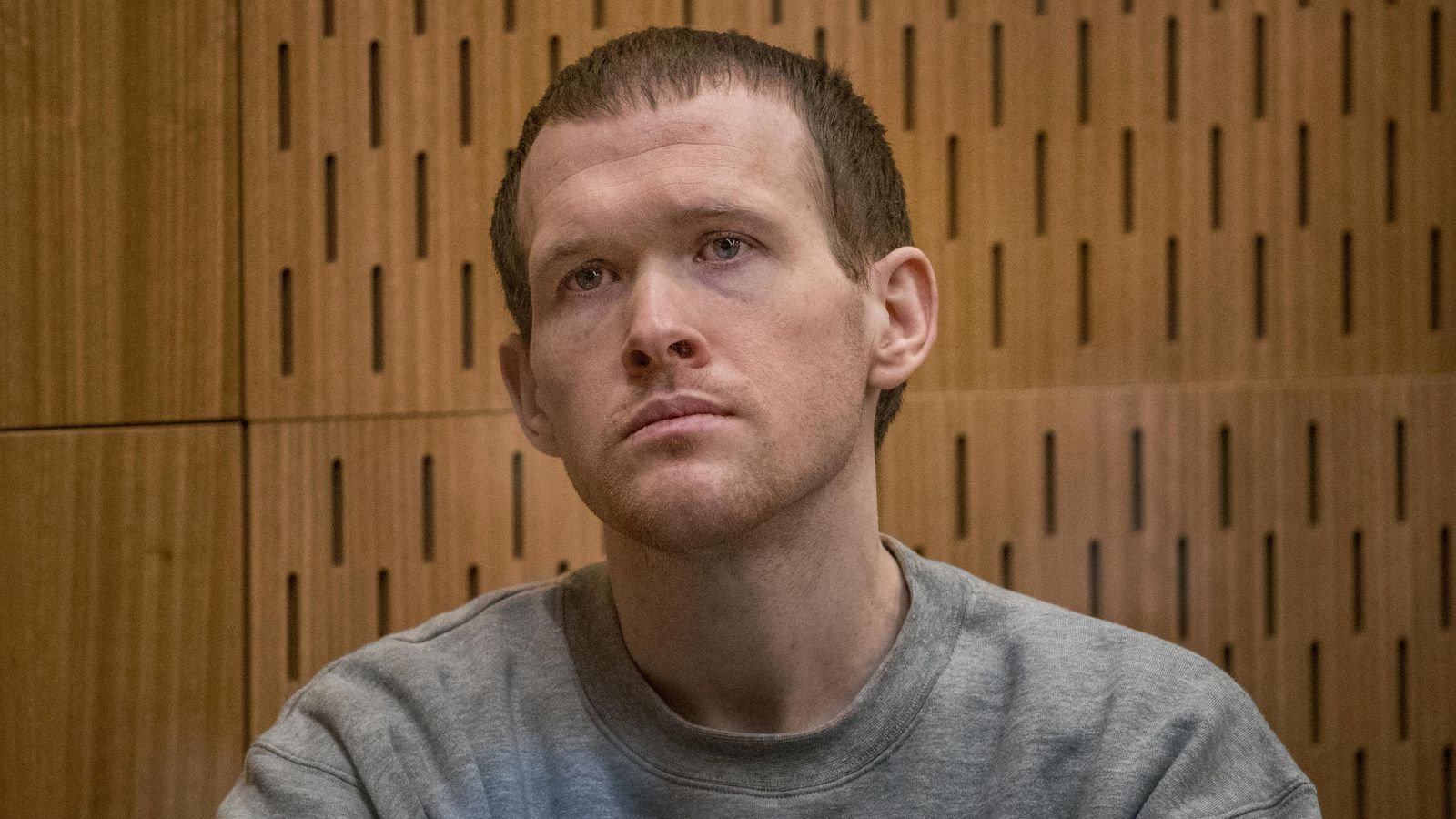
Brenton Tarrant Seeks to Overturn Guilty Pleas in Christchurch Mosque Shootings
Brenton Tarrant, the Australian national responsible for the tragic shootings at two mosques in Christchurch, New Zealand, in 2019, appeared in a Wellington court on Monday via video link. Tarrant is seeking to withdraw his guilty pleas, arguing that he was not in a rational state of mind when he entered them.
Court Appearance and Claims
Tarrant, now 35 years old, faces the daunting task of overturning his conviction for killing 51 Muslim worshippers during Friday prayers, marking the deadliest mass shooting in New Zealand’s history. Initially denying all charges, he submitted guilty pleas to 51 counts of murder, 40 counts of attempted murder, and one act of terrorism a year later.
During his court appearance, Tarrant asserted that his mental health had significantly declined due to the harsh conditions he encountered while in prison. He contended that these conditions impaired his ability to make informed decisions at the time he pleaded guilty. “I did not have the mindframe or mental health required to be making informed decisions at that time,” he stated, expressing doubts about his comprehension during the plea process.
Legal Proceedings Ahead
The Court of Appeal plans to investigate whether Tarrant was capable of making rational choices when he pleaded guilty, specifically considering the prison conditions he described as “torturous and inhumane.” Should his appeal succeed, the case would revert to the High Court, demanding a new trial on the original charges.
The hearing is expected to last five days, concluding later this week. If the appeal is unsuccessful, a subsequent hearing will address Tarrant’s sentence, which currently mandates life imprisonment without the possibility of parole.
Reactions from Victims’ Families
Background
The Christchurch mosque shootings on March 15, 2019, profoundly impacted not only New Zealand but also the global community, igniting discussions around hate speech, gun control, and the need to combat extremism. Tarrant’s actions and the subsequent sentencing have served as a catalyst for many initiatives aimed at fostering tolerance and unity in the face of such tragedies.
This appeal highlights the ongoing complexities involved in the justice system, particularly in high-profile cases involving severe acts of violence and the assessment of mental health in criminal proceedings.
Source: Original Article