Serious Failings in Metropolitan Police Vetting Revealed
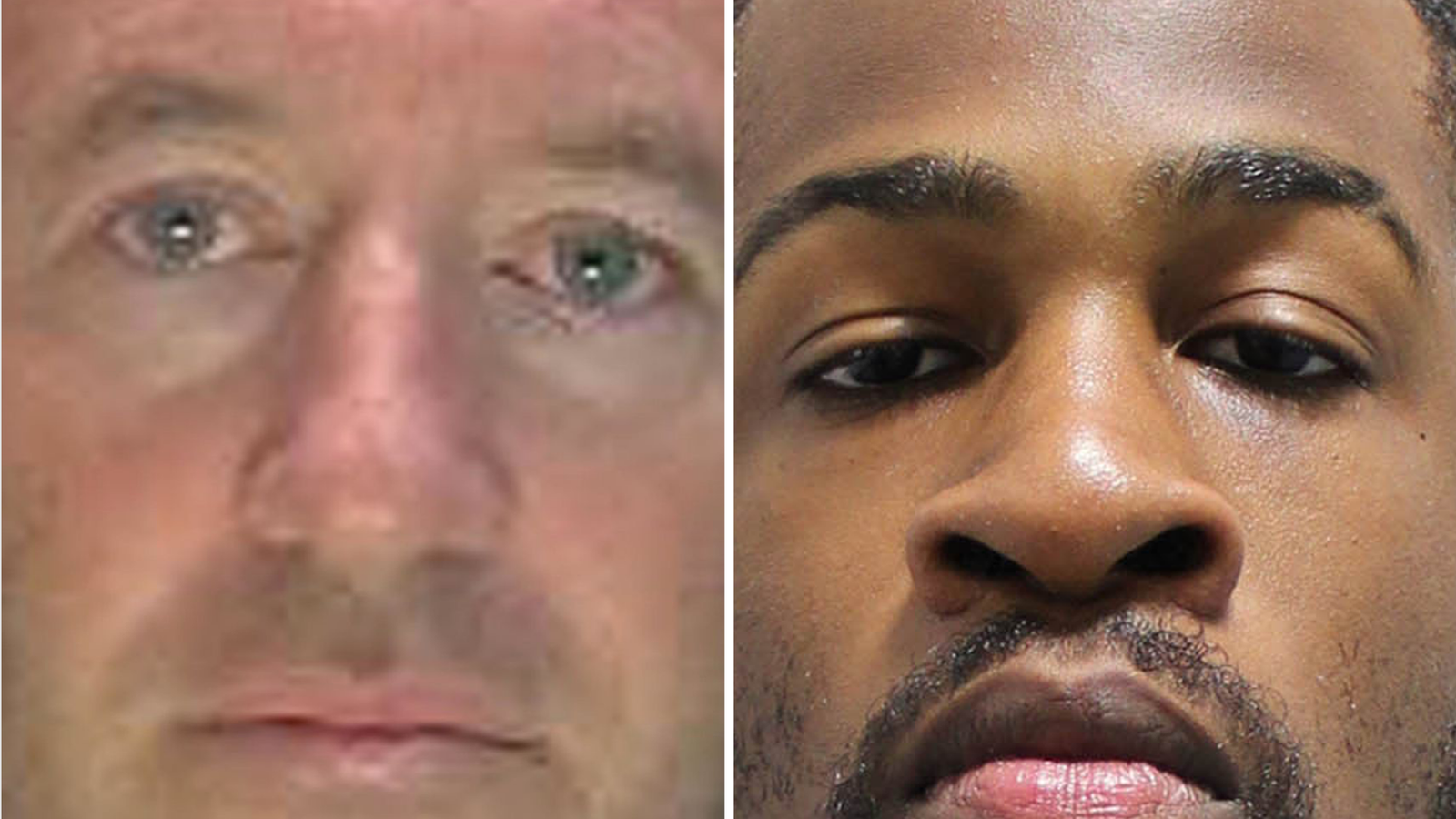
A recent review has unveiled alarming inadequacies in the vetting processes of the Metropolitan Police, disclosing that serial rapists David Carrick and Cliff Mitchell were among over 130 officers allowed to serve despite failing to meet necessary scrutiny. This lapse occurred during a recruitment campaign aimed at increasing police numbers in England and Wales, as the force relaxed its vetting procedures.
Details of the Recruitment Review
During a drive to recruit 20,000 officers, thousands joined the Met without undergoing comprehensive vetting, as leadership chose to disregard established national guidelines. The internal review found that improper hiring practices led to criminal conduct among officers and staff over the past decade.
Home Secretary Shabana Mahmood described the efficiency failures as “a dereliction of the Met’s duty to keep London safe” and has mandated an urgent independent investigation by the police inspectorate.
Two Notorious Cases
Cliff Mitchell, sentenced to life imprisonment in 2024 for multiple rapes spanning nine years, was initially rejected by the Met over a previous child rape allegation. However, a vetting panel later overturned this decision, allowing him to join the force in August 2020.
Meanwhile, David Carrick, who joined the Met in 2001, became one of the UK’s most notorious sex offenders. Due to a re-vetting error in 2017, he continued his service as an armed officer until his arrest in 2021. He is currently serving 37 life sentences.
Extent of the Vetting Failures
The review identified a total of 131 officers known to have engaged in criminal activities or misconduct without adequate vetting. This includes various offences, such as serious sexual crimes, racism, drug misuse, and other forms of misconduct.
The assessment estimates that, out of approximately 27,300 applicants from January 2018 to March 2023, around 1,200 could have been denied entry had proper vetting protocols been followed. Additionally, it is believed that 250 potential recruits might have been deemed unsuitable without proper reference checks during this timeframe.
Political Pressures and Oversight
The Metropolitan Police attributed these lapses to significant pressures to bolster troop strength, which were exacerbated by political influences and limited financial resources. This included automatic vetting transfers from other police forces that did not adhere to the Met’s standards.
Within a total of 5,100 recruits subject to inadequate vetting, only eight active officers from the affected cohort are still under scrutiny. Since taking command in September 2022, Commissioner Mark Rowley has facilitated the dismissal of approximately 1,500 officers to restore public trust.
Next Steps for Oversight and Reform
The Home Office is now instructing the Inspector of Constabulary to assess the systemic failures that permitted such oversights within the Met. This review will also evaluate whether other police forces in England and Wales may have deviated from acceptable vetting standards.
Echoing the urgent need for reform, Mahmood stated, “Londoners rightly expect officers to undergo robust checks so that the brightest and best—not criminals—are policing our streets.” The call for comprehensive inspections aims to restore confidence in the Metropolitan Police’s commitment to public safety.
Background
The failures in vetting practices within the Metropolitan Police reflect broader concerns surrounding police accountability in the UK. These revelations follow several high-profile cases that have raised questions about the integrity and suitability of those serving in law enforcement roles. As public trust hangs in the balance, the Met’s leadership faces mounting pressure to implement effective changes that ensure the safety and security of the communities they serve.
Source: Original Article