






















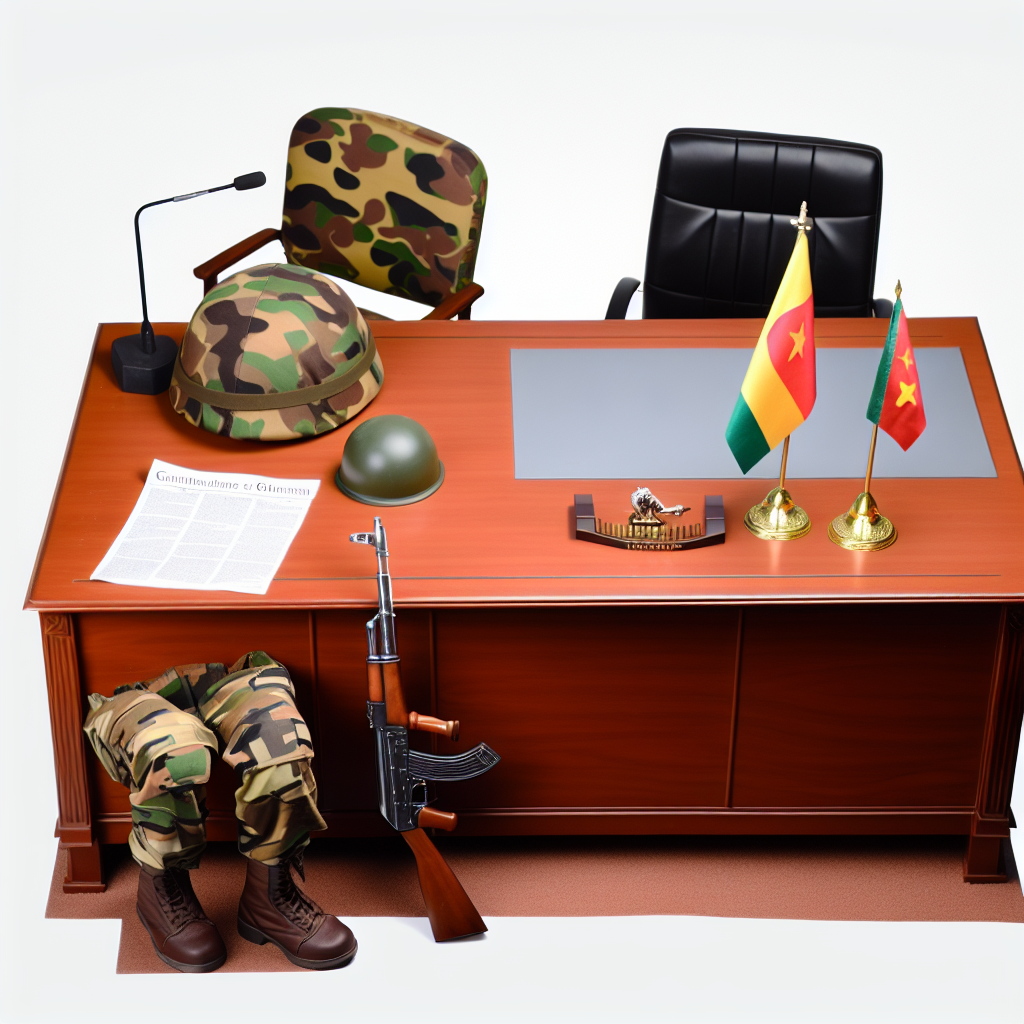
Military Seizes Power in Guinea-Bissau Following Election Tensions
The military in Guinea-Bissau has announced the seizure of power, citing allegations of electoral interference by President Umaro Sissoco Embaló. In a statement broadcast on state television, military spokesperson Dinis N’Tchama declared that the president had been “deposed” and all government functions suspended.
Military Claims Manipulation of Electoral Results
According to N’Tchama, the military’s actions were prompted by the discovery of a plot allegedly involving national politicians and a notorious drug trafficker, intending to manipulate the electoral outcomes. While specifics of the plan were not disclosed, the spokesperson asserted that intervention was necessary to safeguard the nation.
He announced an immediate suspension of all electoral processes, media activities, and the closure of the country’s borders. This move underscores ongoing instability in a nation that has previously been unstable due to political power struggles.
President’s Response and Violence Erupts
Embaló, speaking with France 24, confirmed that he had been deposed but claimed he had not faced violence during his detention. Reports indicate he was arrested under the command of the army chief of staff. An international election observer stated that the president communicated he was being held by military personnel.
Gunfire was reported near the presidential palace, with armed attackers attempting to breach the fortress-like structure. An exchange of gunfire ensued between the attackers and palace guards, while gunshots were also noted around the national electoral commission, adding to the brewing chaos.
Claims of Electoral Success
Amidst the turmoil, both President Embaló and opposition candidate Fernando Dias da Costa asserted victories in the recently held presidential and legislative elections, despite provisional results being unavailable. Observers anticipate official results to be released shortly.
Background
Embaló was initially elected in February 2020, with his five-year term due to end earlier this year. The country’s supreme court extended this term until September 4, but election delays pushed voting into the current month. Guinea-Bissau has a troubled political history, marked by multiple coups and attempts since its independence in 1974, with the most recent coup reported just last month. These ongoing struggles highlight a fragile democratic process that is vulnerable to military influence.
As the situation develops, it remains crucial for the international community to monitor events in Guinea-Bissau, given the potential implications for regional stability and global drug trafficking dynamics.






