Government Initiates Review of Britain’s Steel Sector
The UK government is preparing to engage investment bankers for an extensive evaluation of the nation’s struggling steel industry, amidst growing demands for potential mergers among major firms. Evercore, the independent banking institution associated with former Chancellor George Osborne, is anticipated to be commissioned within weeks to steer this strategic review.
Government Oversight and Financial Implications
If confirmed, Evercore’s findings will be presented to Business Secretary Peter Kyle and UK Government Investments, which represents taxpayer interests in several enterprises, including the Post Office and Channel 4. This initiative comes as the steel sector grapples with the effects of international trade disputes and the looming threat of retaliatory tariffs from the European Union.
The urgency of this review is heightened by the government’s substantial financial stakes in the country’s three largest steel producers. In the previous year, ministers sanctioned £500 million in grant funding for Tata Steel to establish an electric arc furnace at its Port Talbot facility in Wales. While this investment aims to modernise operations, it has faced resistance from trade unions due to accompanying job cuts.
Recent Developments in Steel Industry Control
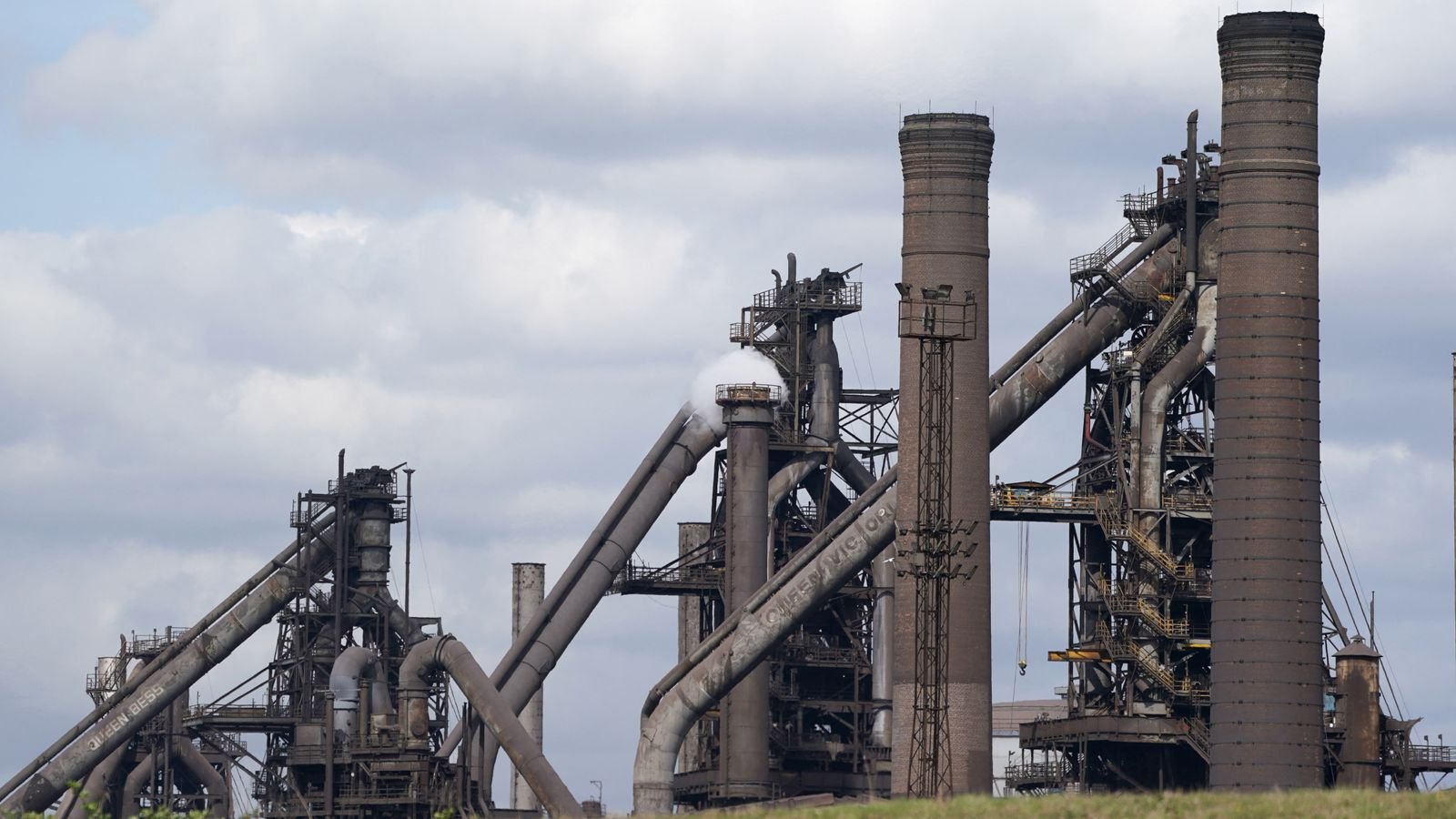
In April, the previous business secretary, Jonathan Reynolds, took over British Steel following threats from its Chinese parent company, Jingye Group, to close the last operational blast furnaces in the UK at its Scunthorpe site. This intervention stirred diplomatic tensions with Beijing, which is contemplating legal recourse for its investments in the failed company.
Last month, the government revealed that the cost associated with taking control of British Steel has escalated to £235 million, compounded by a £600 million expenditure to maintain its viability during its previous owner’s insolvency. Although this strategic move has preserved over 3,000 jobs, the long-term sustainability of British Steel as an independent operation is still under scrutiny.
Advisors suggest that merging British Steel with other key industry stakeholders, like Sheffield Forgemasters, which is currently under government control, could be vital for sustaining the UK’s steel production capabilities.
Future Outlook for the Industry
Amid speculation regarding the ownership of British Steel, sources have clarified that reports of the UK government intending to sell the company are inaccurate, emphasizing the complexity of managing an asset that the government does not actually possess. Furthermore, recent discussions hint at a potential concession from Beijing regarding Jingye’s claims in exchange for political support related to a new Chinese embassy in London.
Industry Minister Chris McDonald reaffirmed the government’s commitment to collaborating with Jingye, aiming for a practical resolution for British Steel’s future. He highlighted the necessity of private sector investment for modernising operations, ensuring financial accountability, and preserving steel manufacturing in Scunthorpe.
Background
Britain’s third-largest steel producer, Speciality Steels UK (SSUK), is similarly in government hands after being placed into compulsory liquidation last summer. Originally part of Liberty Steel, owned by GFG Alliance run by Sanjeev Gupta, SSUK was declared “hopelessly insolvent” in August, prompting an auction process for its assets, which employ around 1,500 individuals.
A representative from the Department for Business and Trade conveyed the government’s optimistic outlook for the UK’s steel industry, indicating plans to unveil a new Steel Strategy in the near future, anticipated either next month or early in the following year.
Source: Original Article