






















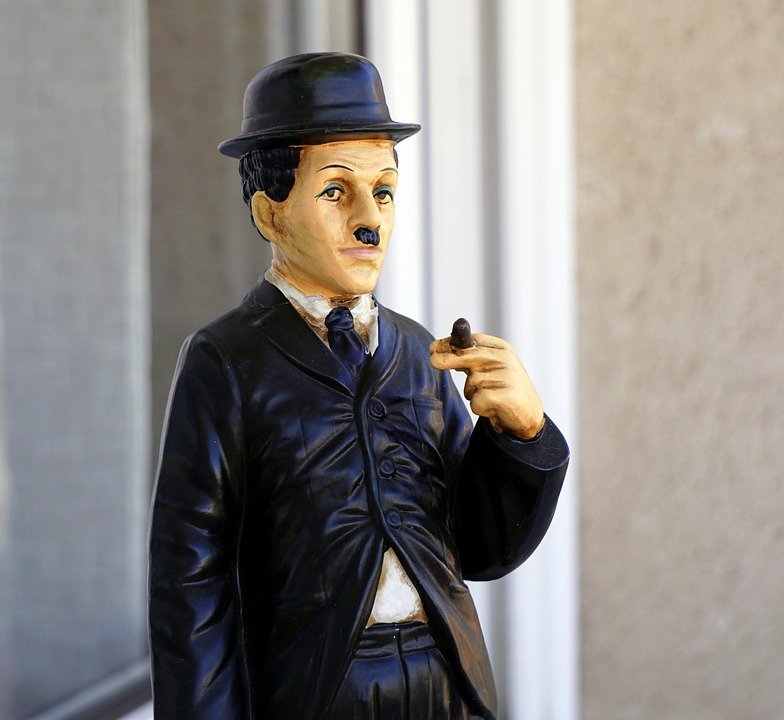
The Legacy of Charlie Chaplin
Charlie Chaplin, an influential figure in early cinema, revolutionized comedy with his elaborate performances and poignant storytelling. His ability to engage audiences through humor and pathos set a standard for comedic duos that followed. Chaplin often collaborated with notable performers, notably Edna Purviance and later, his comic counterpart, Laurel and Hardy, who, while not direct partners of Chaplin, were undoubtedly influenced by his style.
The Formative Years of Comedic Partnerships
Comedy in cinema often relies on the dynamics between characters, a theme popularized in the silent film era. The chemistry between partners can create memorable moments that resonate with audiences. Throughout the 1920s, duos like Stan Laurel and Oliver Hardy and the Marx Brothers began to carve their niche in film history. These collaborations established a benchmark for comedic timing and character interplay.
Influences of the Silent Era on Modern Comedy
The silent film era laid the groundwork for comedic improvisation and visual humor, elements that are intrinsic to contemporary comedic partnerships. The following aspects stand out:
- Physical Comedy: The exaggerated movements and expressions of silent film actors are mirrored today in the performances of pairs like Key & Peele and Tina Fey and Amy Poehler.
- Contrast of Personalities: The classic setup of the straight man versus the goofy counterpart is evident in modern duos, such as Bill Hader and Fred Armisen in “Documentary Now!”
- Improvisation: Silent films often relied on spontaneous humor, a technique that is now a staple in projects involving duos like Will Ferrell and John C. Reilly.
The Evolution of Comedic Duos in Cinema
As cinema evolved, so too did the partnerships that dominated the screen. The advent of sound and color introduced new layers of complexity to comedic performances. The following pairs have notably drawn from the legacy of their predecessors:
- Gene Wilder and Richard Pryor: Their collaborations in the 1970s and 1980s depicted contrasting personas that engaged audiences in a manner reminiscent of earlier duos, pushing the boundaries of comic dialogue.
- Ben Stiller and Owen Wilson: In films like “Zoolander,” their energy and rapport reflected the chaotic humor of classic pairs, yet infused with a modern sensibility.
- Kristen Wiig and Maya Rudolph: As staples of the modern comedic landscape, their friendship and on-screen synergy highlight the historical emphasis on camaraderie in comedy.
The Role of Directors in Shaping Comedic Duos
Directors play a crucial role in shaping the narratives and dynamics of comedic partnerships. Notable filmmakers like Mel Brooks and Judd Apatow have cultivated environments where their comedic duos could thrive. By understanding timing, pacing, and character development, these directors have contributed significantly to the strength of the performances. The collaborative efforts of writers and directors continue to be essential in crafting compelling comedic duos today.
The Continuing Tradition of Comedic Collaboration
Modern comedic duos carry forward the traditions set forth by early partnerships, drawing not only from Chaplin’s legacy but the broader landscape of comedic cinema. As audiences continue to seek laughter, the dynamic interplay of character relationships remains a constant source of entertainment. The evolution of these partnerships illustrates the timeless nature of comedy, echoing the humor and humanity captured by the legends of the past.






