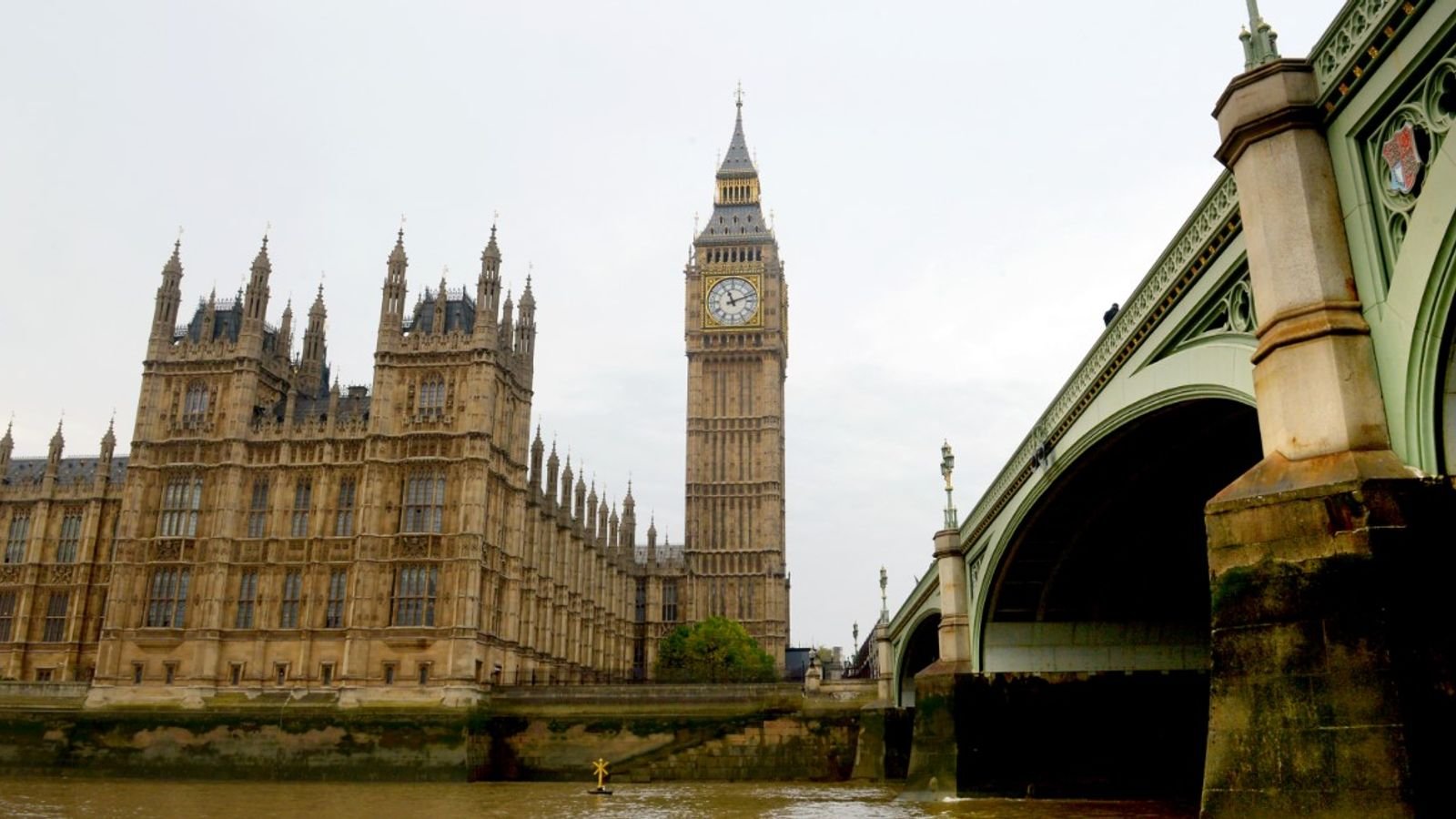
Restoration of Houses of Parliament Could Cost Over £39bn
The ongoing debate surrounding the restoration of the Houses of Parliament has taken a new turn, with estimates suggesting the project could exceed £39 billion and take between 38 to 61 years to complete. Parliamentarians have been presented with two potential plans, each aiming to address the deteriorating conditions of this iconic structure.
Two Proposals on the Table
The first proposal entails a phased restoration of the Palace of Westminster, which is primarily of Victorian origin. Under this plan, extensive repairs would be performed incrementally over several decades. The second alternative suggests that both the House of Commons and the House of Lords vacate the Palace for a duration of 19 to 24 years while renovations occur. This option is projected to cost up to £15.6 billion.
Urgent Need for Repairs
The restoration and renewal client board, responsible for overseeing this initiative, has made it clear that immediate action is essential. In a recent communication, the board highlighted the concerning state of the building, stating that “the fabric and services have deteriorated and require substantial repair or replacement.” They stressed that the time for postponement has passed, labelling current repair expenditures as “unsustainable” at £1.5 million per week.
Initial Restoration Works
As part of the ongoing discussions, legislators have been urged to approve a preliminary restoration phase lasting seven years, with projected costs of up to £3 billion. If sanctioned, this work could commence in 2026. The first phase may include crucial tasks such as repairing the Victoria Tower, establishing a delivery jetty on the Thames, and beginning underground construction for tunnel shafts. A decision on the preferred route for future work is expected by mid-2030.
Potential Displacement of Parliament
If the decision is made to fully relocate during renovations, operations in the House of Commons will move to the nearby Northern Estate, while the House of Lords would transition to the QEII conference centre, starting in 2032.
Background
Concerns about the condition of the Palace of Westminster are not new. MPs and peers previously approved a plan in 2018 to temporarily relocate to facilitate essential repairs, but this was later reconsidered due to financial implications. Over recent years, the building has faced multiple incidents, including 36 fire hazards, 12 asbestos-related issues, and 19 stone-masonry incidents, exacerbating the urgency for a comprehensive revitalisation effort.
The fate of the Houses of Parliament remains a pressing issue not only due to its historical significance but also as a matter of public safety and effective governance as the UK heads into the future.
Source: Original Article