Myanmar Faces Genocide Accusations at International Court
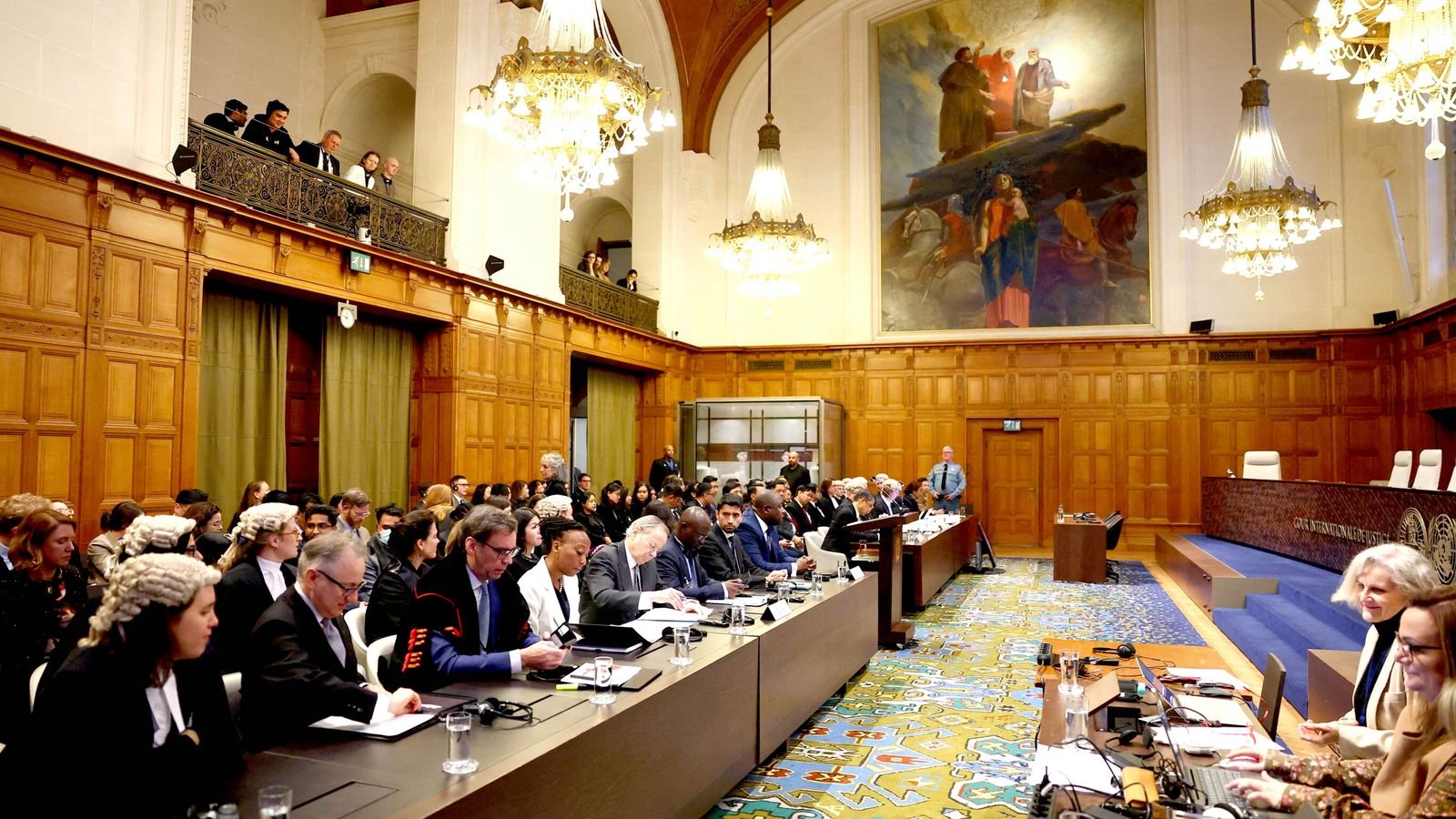
This week, Myanmar is under scrutiny for alleged genocide against the Rohingya ethnic group as the International Court of Justice (ICJ) initiates hearings in The Hague. This case, filed by The Gambia, highlights grave concerns over the treatment of the predominantly Muslim minority in Rakhine State, marking a significant moment in international law.
The Case Against Myanmar
The Gambia initiated the proceedings in 2019, asserting that the actions of Myanmar’s military during a 2017 “clearance operation” violated the 1948 Genocide Convention. The allegations include mass killings, widespread sexual violence, and the destruction of thousands of homes, events which have led to over 700,000 Rohingya fleeing to Bangladesh.
Myanmar, which contends that these accusations are unfounded, began its military campaign following an attack by Rohingya insurgents. Despite these claims, the situation has drawn global condemnation and urgent calls for accountability.
Statements from The Gambia
Dawda Jallow, justice minister of The Gambia, has articulated that the country feels a moral obligation to address such atrocities. “We must use our moral voice in condemnation of oppression,” he stated, emphasizing the need for international solidarity against crimes targeting vulnerable populations.
Impact and Implications
The ICJ’s ruling on this case, the first genocide-related trial in over a decade, could set a precedent for how allegations of genocide are handled in future cases. This includes ongoing discussions surrounding South Africa’s accusations of genocide against Israel related to the Gaza conflict.
Members of the Rohingya community have traveled to the Netherlands to witness the hearings, which are scheduled to last three weeks. Currently, around 1.2 million Rohingya live in cramped refugee camps in Bangladesh, facing dire conditions exacerbated by financial aid cuts that have resulted in school closures and starvation among children.
Background
In the past, Myanmar’s then-leader Aung San Suu Kyi represented the nation at the ICJ but refuted claims of genocide, attributing the mass Rohingya exodus to military confrontations with insurgents. Following a military coup, she has since been imprisoned on charges largely dismissed by her supporters as politically motivated.
Myanmar had contested the ICJ’s authority to address the case, arguing that The Gambia’s lack of direct involvement in the conflict should preclude it from bringing forth charges. However, the court rejected these arguments in 2022, allowing the case to proceed and continuing to explore the complexities surrounding genocide allegations in international contexts.
A confirmation of genocide by the ICJ could potentially influence investigations at the International Criminal Court (ICC). Currently, an arrest warrant request for Senior General Min Aung Hlaing, head of Myanmar’s military regime, is pending as the ICC conducts its investigations into the actions against the Rohingya community.
Source: Original Article