






















Revolutionary Blood Test Offers New Hope for Alzheimer’s Detection
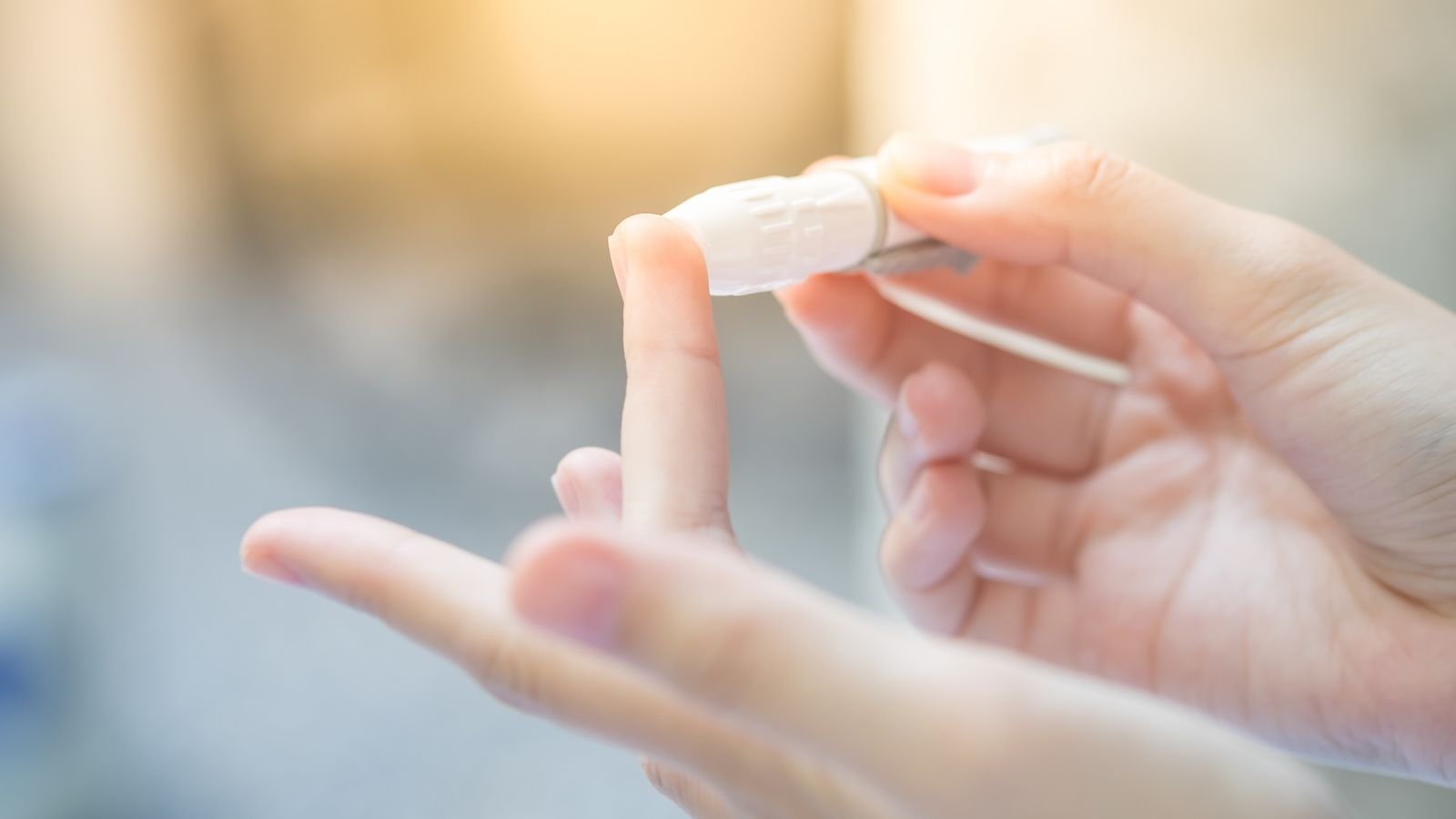
Recent research has introduced a novel blood testing method that may allow for earlier detection of Alzheimer’s disease. Utilizing a simple finger prick at home, individuals can send their samples to a lab without the need for refrigeration, potentially transforming the landscape of Alzheimer’s diagnosis.
Breakthrough in Testing Methodology
This innovative technique aims to improve the accessibility of Alzheimer’s testing in areas where conventional methods are less available. Traditional tests, such as brain scans and analyses of spinal fluid, can be both invasive and costly. While there are emerging blood tests that show higher precision, they generally require trained professionals and regulated temperature conditions, which can hinder widespread use.
In the latest study, researchers discovered that by applying just a few drops of dried blood on a card, they could identify proteins linked to Alzheimer’s disease in a group of 337 participants. The findings indicated a significant correlation between this method and more established diagnostic practices, with volunteers managing the self-sampling without external assistance.
Leading the Charge in Alzheimer’s Research
The research was spearheaded by Nicholas Ashton, a scholar from the Banner Health Institute in Arizona, in collaboration with the University of Gothenburg’s Sahlgrenska Academy. Ashton commented on the transformative nature of this discovery, stating that it could revolutionise Alzheimer’s research by making it feasible to measure critical biomarkers from the comfort of one’s home or in remote areas.
“While there remain hurdles before this can be utilized clinically, we are paving the way for research that was previously unattainable,” he noted, highlighting the potential for broader participation in studies, particularly from communities historically excluded from Alzheimer’s research.
Accessibility and Future Implications
In the context of the United Kingdom, where Alzheimer’s poses a significant public health challenge, this advancement could lead to more thorough and inclusive research methodologies. Anne Corbett, a professor specialising in dementia studies at the University of Exeter, emphasized the importance of accessibility in driving forward understanding of neurological conditions, asserting that the methodology reflects a substantial shift in how brain disease research is approached.
Corbett remarked, “This development marks a significant step toward a future where anyone can play a part in enhancing our understanding of brain diseases, making research not only more technical but fundamentally more inclusive.”
Expert Insights on Community Benefit
Co-author Clive Ballard, who holds a professorship in age-related diseases at the University of Exeter Medical School, explained ongoing efforts to determine whether this method could effectively identify individuals in the community who might require more comprehensive diagnostic evaluations for Alzheimer’s disease.
Background
Alzheimer’s disease is a prevalent form of dementia that impacts cognitive functions such as memory and reasoning. Traditionally, diagnosis has relied on invasive and expensive methodologies, making early detection and diagnosis challenging. The need for new, simpler testing methods is increasingly urgent as the population ages.
Source: Original Article






