






















Attacker’s Victim Calls for Accountability Ahead of Inquiry
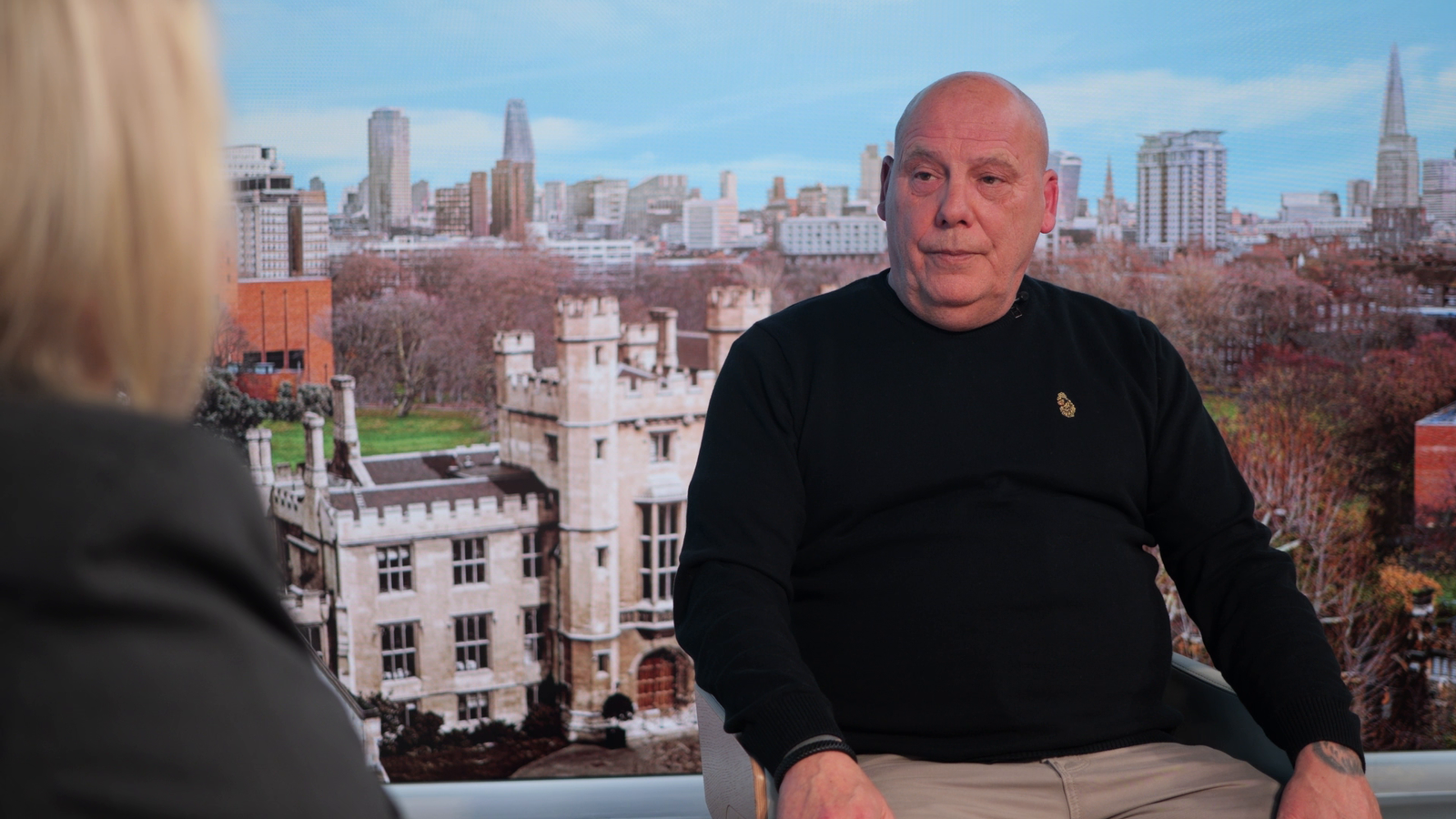
Wayne Birkett, a survivor of a horrific stabbing incident that claimed three lives, has spoken out as a public inquiry approaches. His attacker, Valdo Calocane, had been under the care of the Nottinghamshire Healthcare NHS Foundation Trust prior to the June 2023 attack, which left Birkett and others seriously injured.
The Aftermath of Violence
Birkett describes his recovery as akin to starting life anew, recounting his struggle to relearn basic skills such as reading, writing, and using a phone. He stated, “Someone’s got to take the blame for this man coming out, killing those poor students and trying to kill me.” His outcry highlights the urgent need for accountability in the wake of this tragedy.
In the attack, Barnaby Webber and Grace O’Malley-Kumar, both aged 19, as well as 65-year-old Ian Coates were fatally stabbed by Calocane, who suffers from paranoid schizophrenia. Following his guilty plea in January 2024 on multiple counts of manslaughter and attempted murder, Calocane was ordered to be detained indefinitely in a high-security hospital.
Birkett’s Ongoing Struggles
Wayne Birkett, who cannot recall the attack or his life before it, described his conditions post-incident as “like hell.” He experiences persistent physical ailments, including headaches and dizziness, which have debilitatingly affected his day-to-day life. “Every day I forget what I did yesterday,” he added, underscoring the mental toll of his injuries.
With a public inquiry set to investigate the circumstances surrounding the attack, Birkett expressed his desire to see those responsible held accountable. He plans to meet with Health Secretary Wes Streeting to discuss the failings within mental health services that contributed to Calocane’s ability to commit such acts.
Systemic Failures in Healthcare
A report by the Care Quality Commission (CQC) revealed significant deficiencies in the management of Nottinghamshire Healthcare. The trust had been under scrutiny between May 2024 and August 2025, during which the organization failed to rectify longstanding issues that could have prevented the attack.
Seven of its eighteen services, including five mental health programs, were rated as needing improvement. The report highlighted that Calocane had been discharged too early and that there were inadequacies in follow-up care, particularly when he avoided contact with the community mental health team.
Lawyer Greg Almond from Rothera Bray Solicitors emphasized the urgency for systemic change, urging the government to address the ongoing safety risks within Nottinghamshire’s mental health services. “The CQC report highlights that nothing has really changed, which is a concern,” he stated.
Background
Calocane’s attack has raised critical questions about the state of mental health care in the UK. As scrutiny on the NHS intensifies, Birkett and other survivors are calling for reforms to prevent future tragedies. The inquiry will not only assess the responsibility of healthcare institutions but also consider the roles of the police, the council, and other agencies involved in public safety.
With the potential for lives to be at stake, this tragic incident has become a pivotal moment for mental health provisions nationwide, echoing the need for improvements in care and accountability from those responsible.
Source: Original Article






