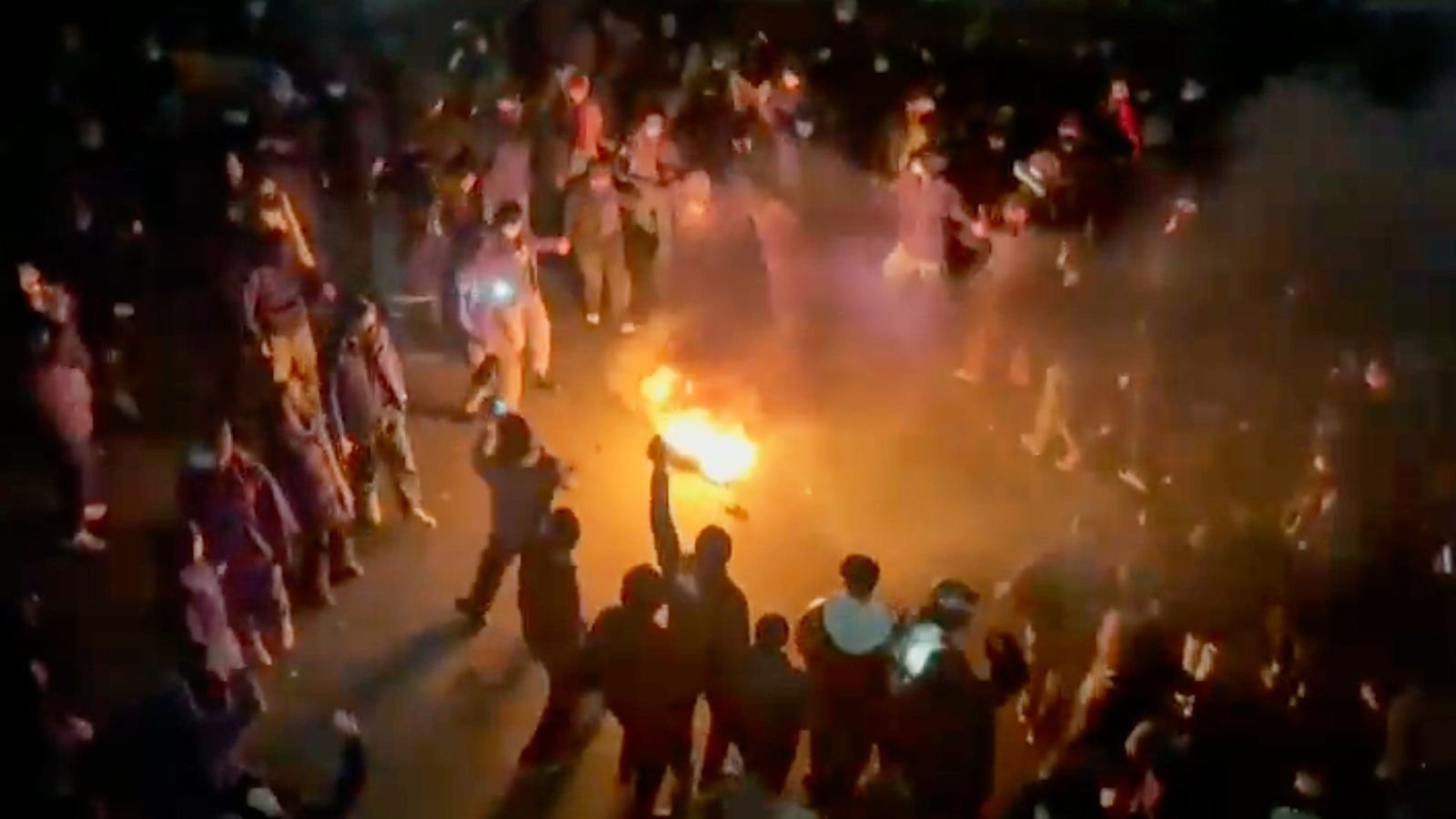
Escalating Unrest in Iran Claims Over 500 Lives
Recent anti-government demonstrations in Iran have escalated significantly, with reports indicating that more than 500 individuals have been killed since the protests began in late December. As the civil unrest continues, former US President Donald Trump has announced that he is considering various responses to the deteriorating situation.
The Current Situation
Communications within Iran remain heavily restricted, complicating efforts to verify details regarding the protests, which span all 31 provinces. Initially ignited by a steep decline in the value of the rial currency, these protests have quickly transformed into a major challenge for the Iranian government.
According to the US-based Human Rights Activists News Agency, the death toll has escalated from 116 at the weekend to at least 544 by Sunday. In addition, there are over 579 reported deaths that are currently being investigated, potentially elevating the total to around 1,123. These fatalities have predominantly resulted from live ammunition and pellet gunfire, mainly at close range, during the protests against the regime.
Government Response and US Involvement
The Iranian government has claimed that those killed are victims of “armed terrorists,” with state media showcasing dozens of body bags at Tehran’s coroner’s office. The regime continues to assert that any demonstrations are under the influence of foreign powers. Iranian officials have framed the protests as a threat, prompting discussions of military responses.
In light of the escalating violence, Trump and his national security team are deliberating on a comprehensive range of potential actions against Iran. He has indicated the military is studying various options, stating that they are prepared to respond with unprecedented force if Iran retaliates.
International Reactions
US Foreign Secretary Marco Rubio has recently engaged in talks with Israeli Prime Minister Benjamin Netanyahu regarding the turmoil in Iran. Both officials have reportedly considered the possibility of US military intervention, heightening concerns of further regional instability. Netanyahu publicly praised the courage of Iranian citizens, expressing hope that they would soon be liberated from tyranny.
Iran’s Domestic Challenges
In his first public address since the protests intensified, Iranian President Masoud Pezeshkian pointed to “terrorists” affiliated with foreign entities as the culprits behind intense violence during the protests. While he acknowledged significant public grievance over economic woes, he urged citizens to differentiate themselves from those he termed “rioters and terrorists” and emphasized the government’s commitment to addressing these challenges.
Background
The ongoing protests in Iran reflect deep-seated dissatisfaction with the government’s management of the economy and social freedoms. This wave of unrest adds to a history of civil discontent in the country, marking one of the most significant challenges to the regime in recent years.
The situation remains fluid, with the international community closely monitoring developments. As the Iranian authorities grapple with dissent and the potential for foreign intervention, the implications for regional security, as well as global diplomatic relations, are profound.
Source: Original Article