Suicide Bombing at Islamabad Mosque Claims Lives
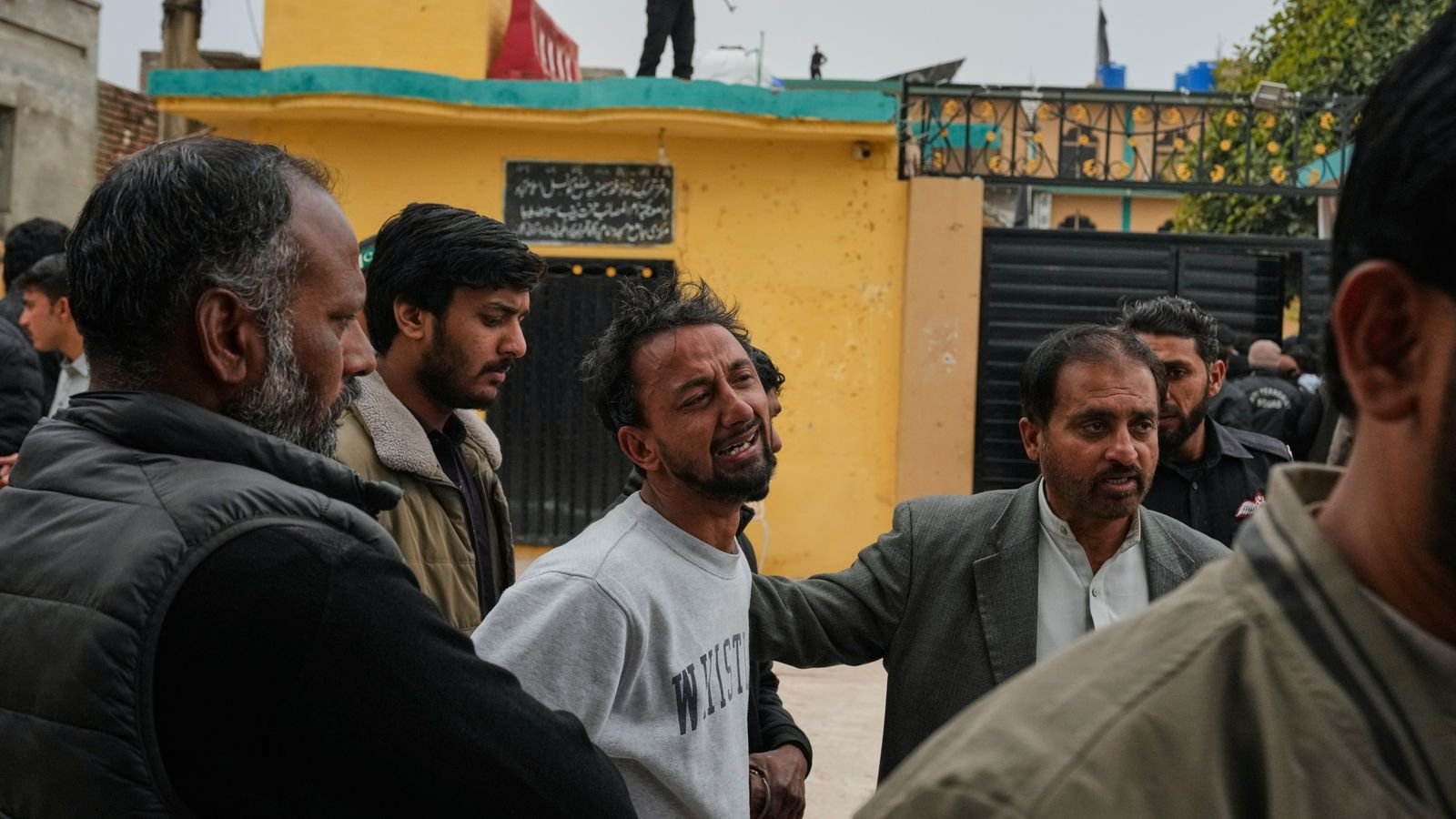
In a devastating suicide bombing at a Shiite mosque on the outskirts of Islamabad, Pakistan, at least 31 individuals have lost their lives and 169 others have sustained injuries. The attack occurred during Friday morning prayers, plunging the local community into chaos.
Details of the Attack
Eyewitness accounts describe harrowing scenes inside the Khadija Al-Kubra mosque, with victims lying on the floor amid the screams of the wounded. Following the explosion, police and local residents rushed to transport the injured to nearby medical facilities, with many reported in critical condition.
No group has taken immediate responsibility for the bombing; however, there is widespread speculation regarding the involvement of militant organisations such as the Taliban and the Islamic State. Both groups have a history of targeting Shiite Muslims, who represent a minority within Pakistan.
Government Responses
Pakistan’s Defence Minister Khawaja Muhammad Asif indicated that security guards at the mosque attempted to intercept the bomber, who had opened fire before detonating his explosives among worshippers gathered for prayers. The minister suggested the attacker had connections to Afghanistan, insisting that the Taliban was acting as a proxy for India. However, this claim has been categorically dismissed by Indian officials as meritless.
In response to the attack, Pakistani President Asif Ali Zardari and Prime Minister Shehbaz Sharif both condemned the violence. Mr. Zardari stated, “Targeting innocent civilians is a crime against humanity,” while Mr. Sharif called for a thorough investigation to ensure those responsible are held accountable.
International Reactions
India’s foreign ministry responded robustly, arguing that Pakistan ought to address its internal challenges instead of blaming other nations for its complications. Concurrently, Afghanistan’s government also rejected any suggestion of involvement from its territory, firmly condemning the attack on the mosque.
Background
This tragic incident comes amidst heightened concerns over a wave of militant activities across Pakistan, particularly in recent months. Pakistan has faced increasing challenges in controlling extremist violence, especially in regions such as Balochistan, where separatist groups continue to engage in violent confrontations.
Cultural Impact
The bombing tragically coincides with the resurgence of the Basant kite flying festival in Pakistan, a significant cultural event following an 18-year ban. Authorities have now cancelled related festivities, including a concert in Lahore, due to security concerns stemming from the attack.
This tragic event underlines the ongoing struggles within Pakistan regarding sectarian violence and the broader implications of militancy in the region, raising alarms for both national and international stakeholders.
Source: Original Article