






















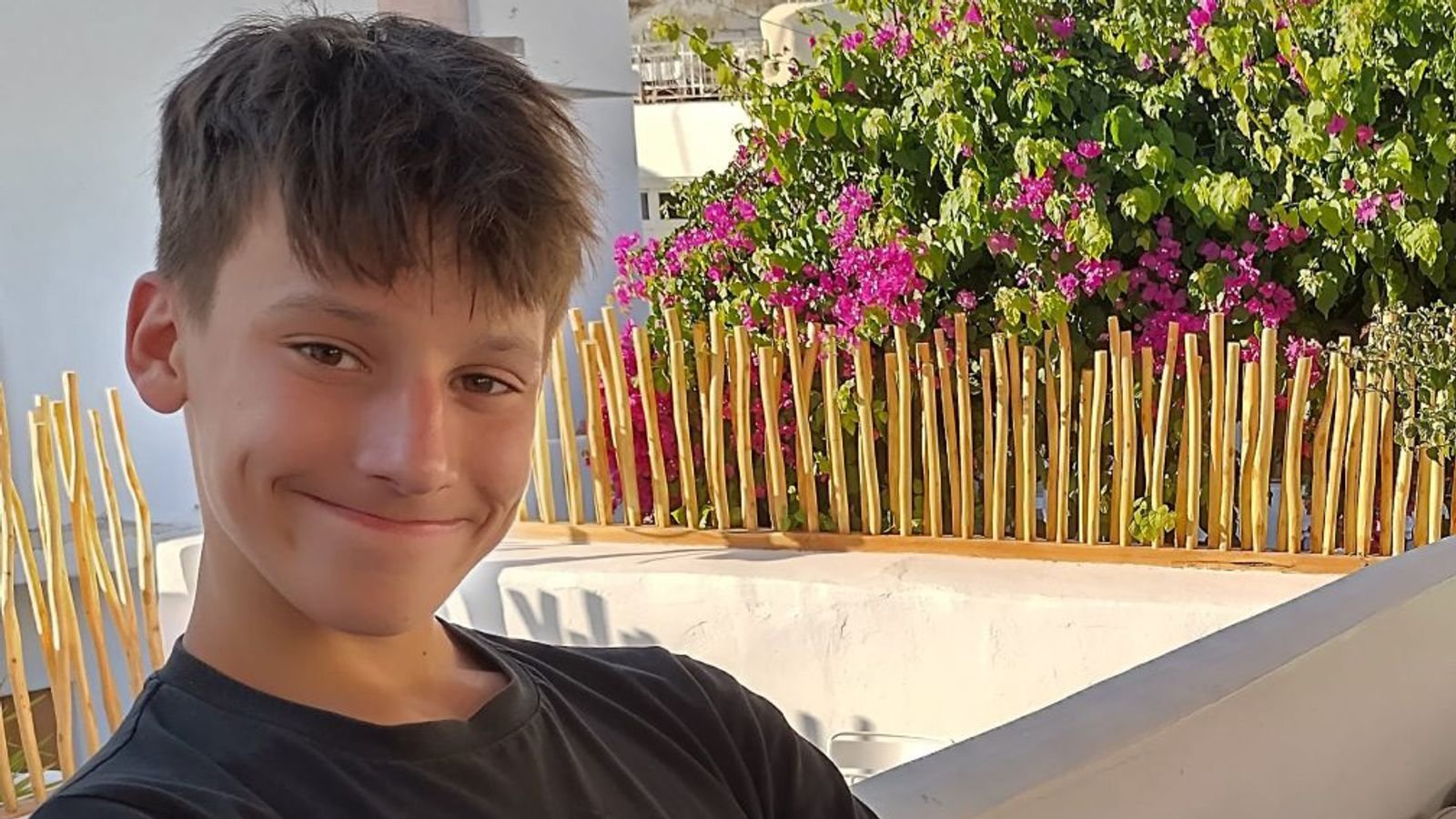
Teen’s Tragic Death Sparks Legal Action Against Meta
The family of Murray Dowey, a 16-year-old from Dunblane, Scotland, is taking legal action against Meta, the parent company of Instagram, following the tragic suicide of their son, who was a victim of online blackmail. The Dowey family, alongside another family, is claiming that the social media giant failed to adequately protect its young users.
The Circumstances of Murray’s Death
Murray Dowey took his own life in December 2023 after being targeted by online scammers who pretended to be a young girl and coercively obtained intimate images from him. Upon refusing financial demands, he was threatened with exposure of these images to his family. This heart-wrenching incident occurred within hours, leaving his parents with no chance to intervene or identify that anything was amiss.
His mother, Mark and Ros Dowey, expressed the profound pain their family endures. “We have lost the most precious thing. We’ve got nothing left to lose,” Mrs. Dowey said, emphasizing the resolve to pursue justice for her son and others who have experienced the devastation of social media exploitation.
Legal Claims Against Meta
The Doweys, represented by the Social Media Victims Law Centre (SMVLC), argue that Meta was aware of preventative features that could mitigate the risk of sextortion but chose to prioritise profit over user safety. Mrs. Dowey highlighted a growing community of parents grappling with similar tragedies, calling for increased accountability from social media platforms.
In response, Meta acknowledged the severity of sextortion, describing it as a “horrific crime.” The company stated its commitment to collaborating with law enforcement to combat such criminal behaviour, while also highlighting safety measures implemented on its platforms, including stricter privacy settings for users under 16 and warnings about sharing sensitive material in direct messages.
Wider Implications for Social Media Safety
The tragic case of Murray Dowey raises critical questions about the responsibilities of social media companies in safeguarding their younger users. This incident resonates beyond the immediate family, prompting broader discourse on the necessity for more stringent regulations and preventive measures in the digital landscape.
The lawsuit has drawn parallels to similar cases, including that of Tricia Maciejewski from Pennsylvania, whose son, Levi, also took his life at the young age of 13. These distressing events highlight an urgent need for systemic changes to protect vulnerable users from online predators.
Conclusion
This heartbreaking story sheds light on the severe consequences of online exploitation and the responsibilities that social media companies bear in ensuring user safety. As the Dowey family seeks justice, their fight may serve as a catalyst for change, potentially influencing policy discussions surrounding the protection of young individuals in the digital space.
For anyone struggling with emotional distress or thoughts of self-harm, assistance is available through Samaritans at 116 123 or via email at jo@samaritans.org in the UK.
Source: Original Article






