






















Breakthrough Gene Therapy Offers New Hope for Blood Cancer Patients
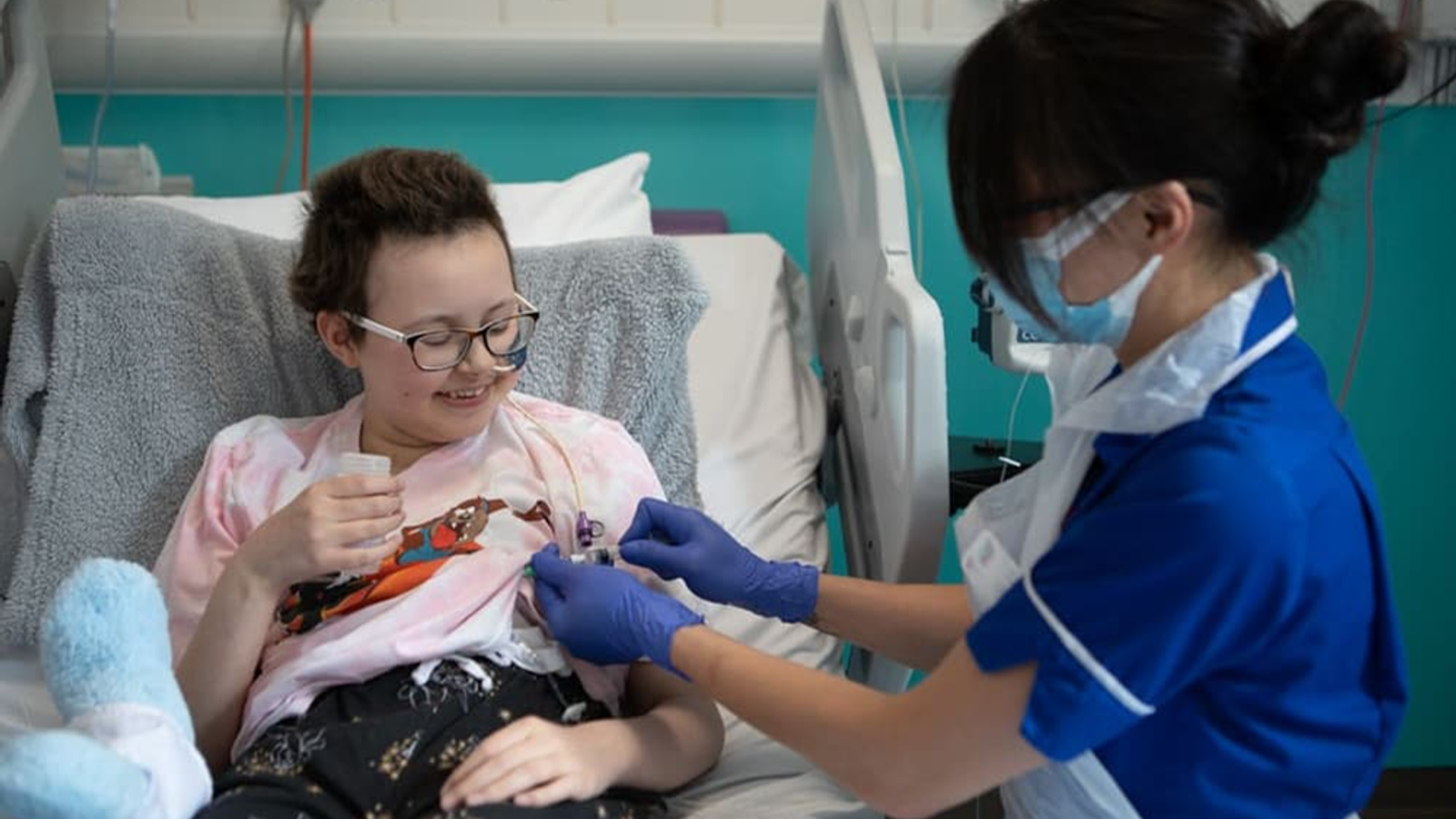
A groundbreaking gene therapy has enabled patients suffering from a previously untreatable blood cancer to achieve remission, marking a significant milestone in cancer treatment. The pioneering approach was first administered to 16-year-old Alyssa Tapley, who was initially considering palliative care but is now reportedly healthy after the innovative treatment.
Trial Results Show Promising Outcomes
Recent findings from a clinical trial conducted at Great Ormond Street Hospital (GOSH) and King’s College Hospital in London indicate that two-thirds of the participants, which included eight children and two adults, have remained cancer-free for as long as three years. Dr. Deborah Yallop, a consultant haematologist at King’s, expressed that the results from treating T-cell acute lymphoblastic leukaemia are impressive and demonstrate a potent new treatment option.
Understanding the Condition
T-cell acute lymphoblastic leukaemia is a rare and aggressive form of blood cancer that arises when T-cells, integral components of the immune system, grow uncontrollably. This experimental therapy targets patients who have not responded to conventional treatments, offering renewed hope for those facing dire prognoses.
Innovative Treatment Process
The novel method, known as BE-CAR7, involves a precise editing of genetic code within T-cells taken from a donor. By altering specific genetic “bases,” scientists can modify the function of the cells, enhancing their ability to combat cancer. This technique allows for an off-the-shelf solution that is not dependent on patient-specific matching, as seen with typical transplants. Notably, the edited T-cells are programmed to eliminate all of a patient’s own T-cells, regardless of their cancerous status, within four weeks of treatment, thereby making way for a bone marrow transplant to restore a healthy immune system.
Alyssa’s Journey
Alyssa, reflecting on her treatment outcome, shared her happiness in returning to activities such as sailing and attending school, experiences she once thought were lost to her illness. She aspires to become a research scientist to contribute to future advancements in medical science.
Future Prospects and Support
The Great Ormond Street Hospital Charity has pledged to fund the treatment of an additional ten patients following the success of the recent trial. Dr. Rob Chiesa, one of the study’s investigators, highlighted the critical need for more effective options for the 20% of children with T-cell leukaemia who do not respond well to standard treatments.
Encouragement for Continued Research
Dr. Tania Dexter, senior medical officer at UK stem cell charity Anthony Nolan, noted that while the trial results are promising, ongoing research is essential to widen the clinical application of this advanced cell therapy. The results provide hope for continued advancements in tackling blood cancers and related disorders.
Background
This innovative treatment represents a leap forward in the fight against blood cancer, particularly for those faced with severe and previously untreatable forms of the disease. As medical technology progresses, there is optimism that such treatments will become increasingly available, improving outcomes for many patients worldwide.
Source: Original Article






