






















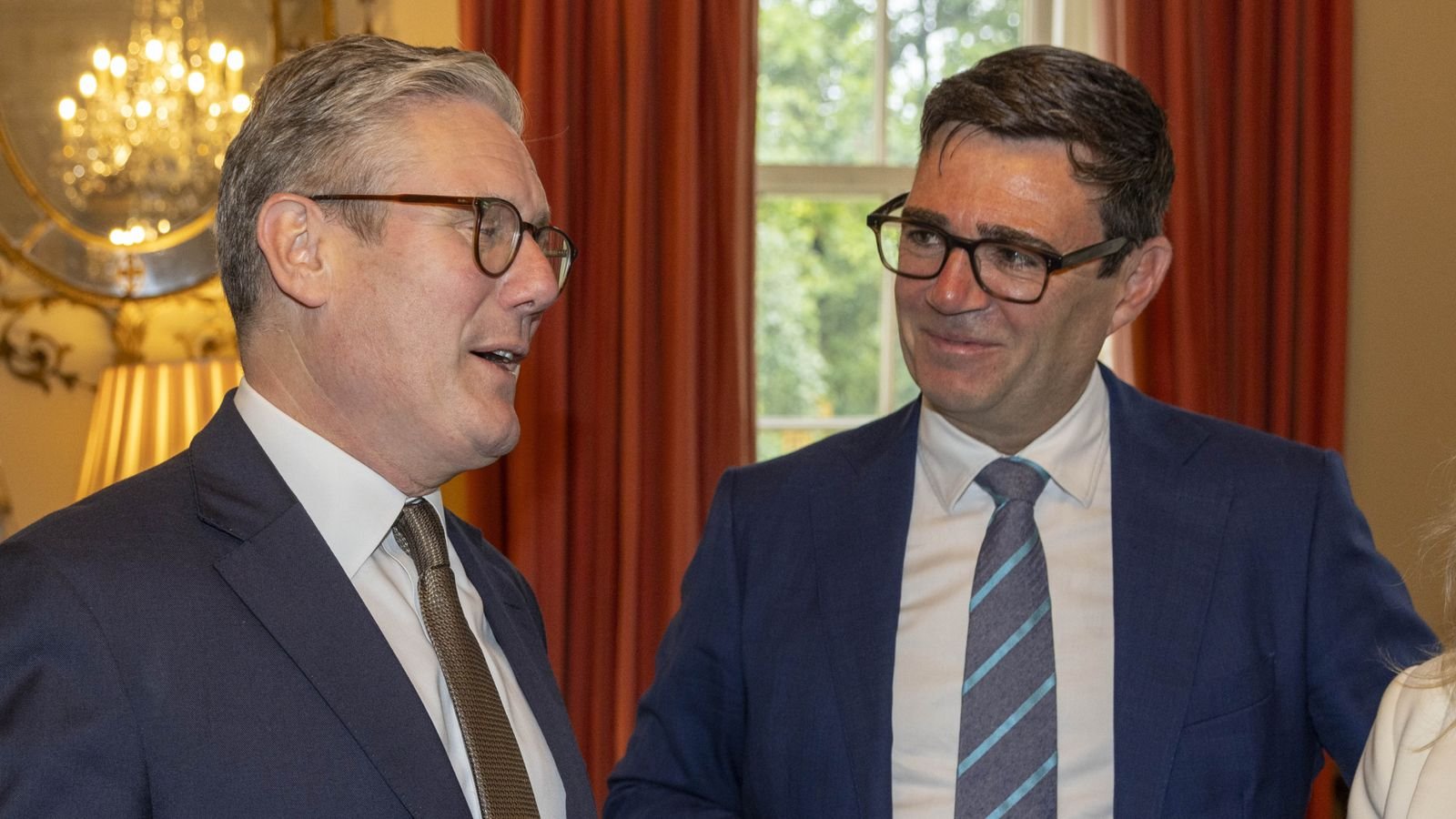
Labour Leadership Tensions Rise as Burnham Faces Block
The leadership landscape of the Labour Party has been shaken following the National Executive Committee’s (NEC) decision to reject Manchester Mayor Andy Burnham’s potential return to Parliament. This choice marks a significant move amidst growing speculation about leadership challenges ahead of crucial local elections in May.
NEC Vote to Reject Burnham
On Sunday, the NEC panel voted 8-1 against Burnham’s ambitions, with only Lucy Powell, the deputy leader and MP for Greater Manchester, supporting him. Concerns were raised regarding the financial implications of a new election for the Manchester metro mayor, especially given the concurrent local, Welsh, and Scottish elections. Additionally, unease about the Reform party potentially launching a contentious campaign in Greater Manchester contributed to the decision.
Political Repercussions
This development has sparked immediate backlash, particularly from left-leaning Labour MPs. Criticism of the leadership’s handling of the situation has intensified, with prominent figures like Jon Trickett and John McDonnell expressing their frustrations on social media. McDonnell specifically condemned the decision as an act of cowardice, further highlighting the divisions within the party.
Despite the reasoning behind the NEC’s decision, many in the party view it as a tactical misstep. By blocking Burnham, the current leadership may face growing dissent rather than securing unity. The fear of a Burnham-led challenge looms large, especially if Labour performs poorly in the upcoming elections.
Current Dynamics within the Party
The rejection of Burnham is expected to exacerbate existing tensions in the Labour Party. While some factions continue to support Starmer, the opposition from his left flank has become more vocal. As he grapples with various pressing issues—from a proposed social media ban for minors to housing reforms—Starmer’s leadership appears increasingly precarious.
Some insiders speculate that Burnham’s blocked return could ultimately benefit Wes Streeting, a rival within the party. This twist may reshape the power dynamics in Labour, with Streeting’s allies gaining momentum at a time when Starmer’s leadership appears fragile.
Looking Ahead
The implications of this decision will unfold as the party approaches the May elections. Given the fractured state of Labour, Starmer faces the daunting task of maintaining both party cohesion and election readiness amidst swirling speculation about his leadership. This scenario raises questions about the future direction of the Labour Party and its ability to present a unified front against the government.
Background
Andy Burnham, who has served as mayor since 2017, previously held a senior role in the Labour government. His popularity among party members could have posed a significant challenge to Starmer’s leadership if he had been allowed to return to Parliament. The upcoming elections are critical, as Labour seeks to regain lost ground in local councils across the UK amidst a backdrop of national issues.
Source: Original Article






