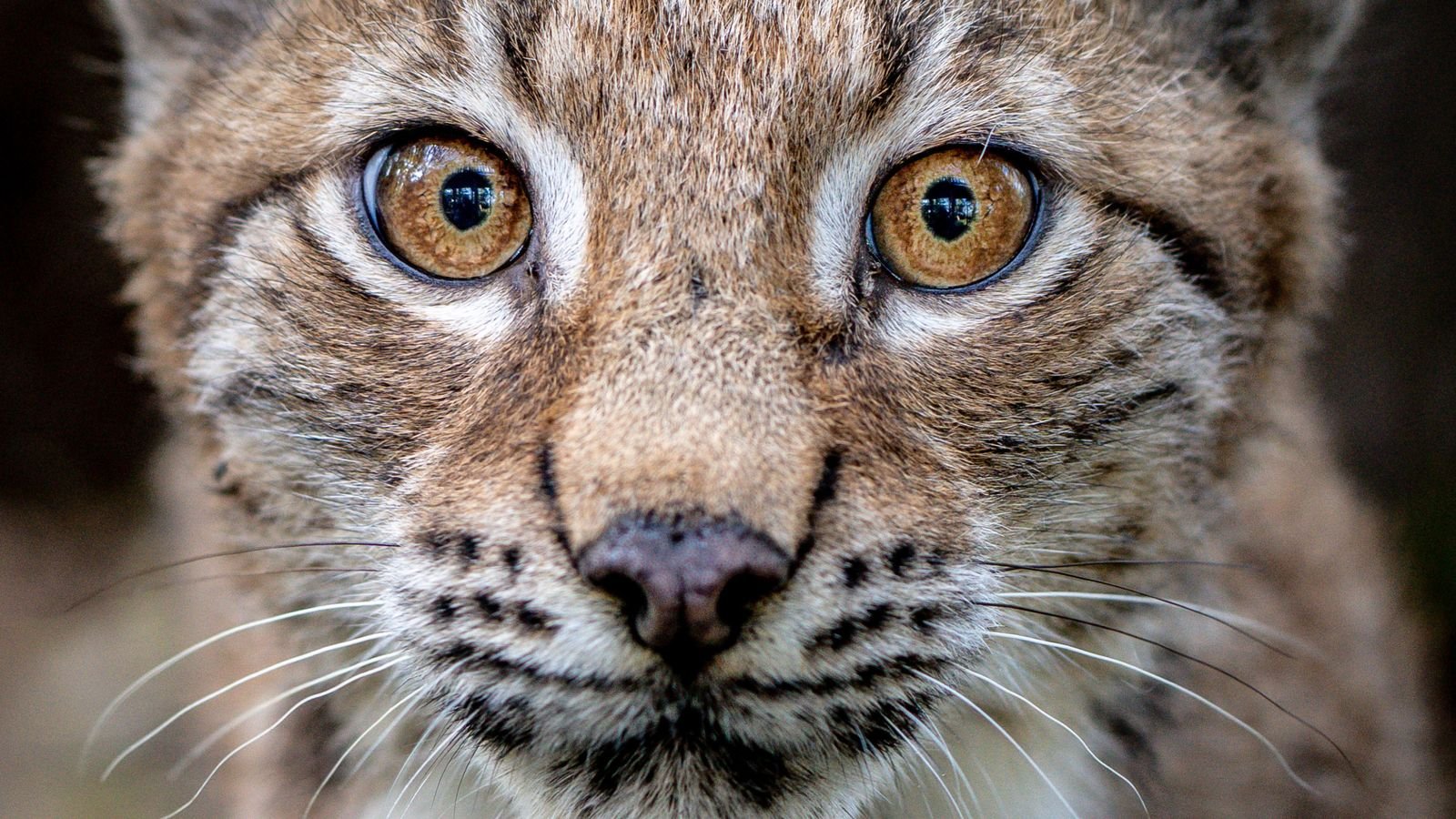
Public Consultation on Lynx Reintroduction in Northern Scotland
The public is being invited to share their opinions regarding the possible reintroduction of lynx to northern Scotland. The Lynx to Scotland partnership believes that these wildcats could play a significant role in restoring ecological balance in the Highlands and the Moray region.
Potential Benefits of Reintroduction
Advocates, including various rewilding charities, assert that the area possesses adequate habitat suitable for lynx, with enough forest cover and prey to sustain a population of up to 250 individuals. They argue that lynx could provide various advantages, including:
- Management of deer populations
- Boost to local tourism
- Enhancement of biodiversity and local landscapes
Concerns from Local Farmers
Despite the potential benefits, there are concerns from farmers regarding the impact of lynx on livestock, particularly sheep. The forest-dwelling lynx, roughly the size of a Labrador, are known to target livestock, raising alarms among those who depend on farming for their livelihoods.
Regulatory Framework
Any reintroduction initiative would require a licence from NatureScot, the Scottish government’s wildlife agency. However, the government has stated that it currently has no plans to reintroduce lynx or any other large carnivores in the near future, citing potential negative effects on agriculture and rural communities.
Background Events
This consultation follows an incident last year when four lynx were released unlawfully into the Cairngorms National Park. Authorities managed to capture the animals after several days in the wild, although one unfortunately died in the process. The remaining three lynx, known as Bluebell, Caledonia, and Cardrona, are now housed at the Highland Wildlife Park in Kingussie.
Community Engagement
The Lynx to Scotland partnership, which includes Scotland: The Big Picture, Trees for Life, and The Lifescape Project, has been exploring how a potential reintroduction could be implemented since 2020. They are prioritising social acceptance in their plans and will be engaging with the public through 42 sessions scheduled in the Highlands and Moray, commencing on January 26. Approximately 89,000 households in 37 postcodes will receive information about the consultation.
Future Steps
Should the reintroduction move forward, the partnership proposes a gradual release of about 20 lynx over several years. Ongoing monitoring would be essential, employing tracking collars and camera traps to evaluate both the ecological impacts and any issues such as sheep predation.
Lisa Chilton, chief executive of Scotland: The Big Picture, expressed the importance of restoring Scotland’s lost native wildlife, noting that any reintroduction effort needs to be thoughtfully managed to address concerns from local communities.
A spokesperson for the Scottish government reiterated their recognition of the value of native species reintroductions in ecological restoration but stressed that any plans would necessitate extensive consultation with affected communities. They mentioned their support for selective reintroductions, such as that of beaver populations, when deemed appropriate.
Source: Original Article