






















Conspiracy Theorist’s Parole Hearing Marks a Legal First
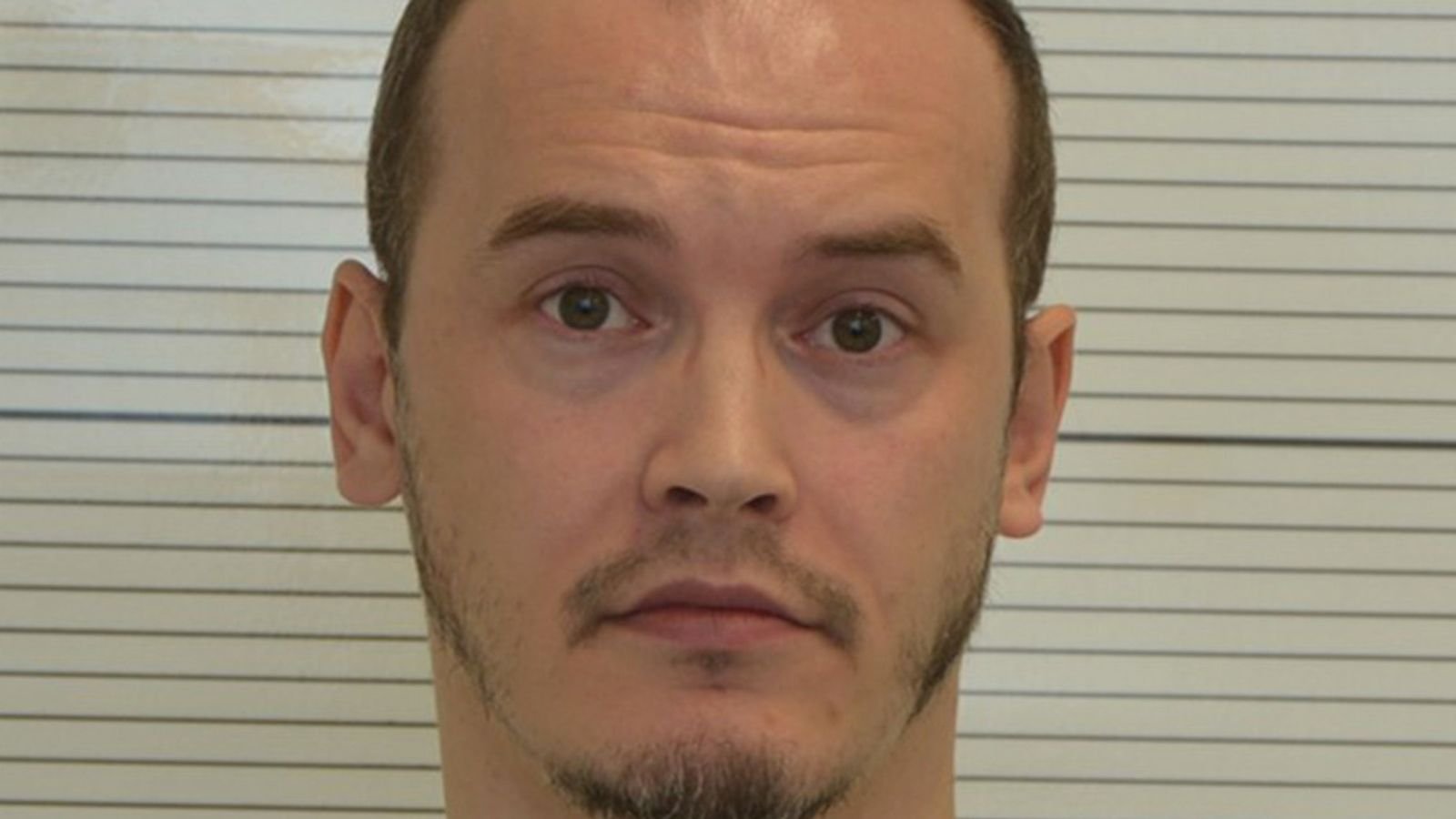
Oliver Lewin, a 41-year-old man convicted for planning a terrorist act against the UK government, faced a unique parole hearing that was held in public, a first for such cases. He expressed extremist views, specifically targeting communication infrastructure to destabilise the administration under Boris Johnson.
Case Overview
Lewin, a telecommunications engineer from Coalville in Leicestershire, was convicted earlier this year for plotting an attack driven by conspiracy theories surrounding COVID-19 and alleged governmental ties to a Jewish elite. The hearing was notable not only for its public nature but also because it adhered to a new ruling which allows for public sessions in select parole hearings, introduced in 2022.
Lewin’s messages, which included substantial hostility towards Jewish communities, raised alarms and resulted in a police investigation that confirmed his involvement in extremist activities via platforms like Telegram. He has contested the details presented at his hearing, citing numerous discrepancies in the evidence against him.
Parole Hearing Insights
During the parole hearing, held this past Thursday, Lewin disclosed his reasoning for requesting a public session. He claimed it was primarily to address perceived inaccuracies in the evidence used against him. He intends to appeal his conviction through the Criminal Cases Review Commission, voicing grievances against the investigative methods of counter-terrorism officers.
Amid his denouncement of previous beliefs, Lewin noted changes in his views toward Israel, stating he now holds “a healthy amount of respect” for its people, contrary to past assertions that suggested otherwise. This shift in perspective has also coincided with his reflections on recent geopolitical conflicts involving Israel and Hamas.
Expert Testimonies
In a surprise endorsement, Lewin’s prison offender manager recommended his release, stating he does not pose a significant risk to public safety. Conversely, a prison psychologist urged caution, believing Lewin should first complete a de-radicalisation programme before any release could be considered safe.
While the psychologist assessed that Lewin’s immediate risk of reoffending isn’t critical, she expressed concerns regarding how his ideology could evolve post-release. She noted, “I don’t feel like we fully understand the ideological drivers,” highlighting the complexities involved in addressing radicalisation.
Background
Lewin was sentenced to six-and-a-half years in prison after authorities uncovered plans that included targeting the M1 motorway and communication masts, with the aim of undermining government stability. This case reflects broader issues surrounding the spread of conspiracy theories during the pandemic and their potential escalation into extremist behaviour.
As society continues to grapple with the implications of such ideologies, Lewin’s case serves as a pivotal moment in the legal landscape concerning public safety, radicalisation, and the approach to parole for individuals holding extreme views. The final decision from the Parole Board is expected in two weeks, contingent upon further private hearings next week.
Source: Original Article






