Limited Reopening of Gaza-Egypt Border Crossing Provides Hope for Medical Aid
The Rafah border crossing between Gaza and Egypt has reopened for limited traffic after a prolonged delay, allowing a small number of individuals with serious medical needs to be transported for treatment. This reopening, while minimal in scale, symbolizes a critical opportunity for those unable to access adequate healthcare within Gaza’s devastated infrastructure.
Medical Transportation Begins
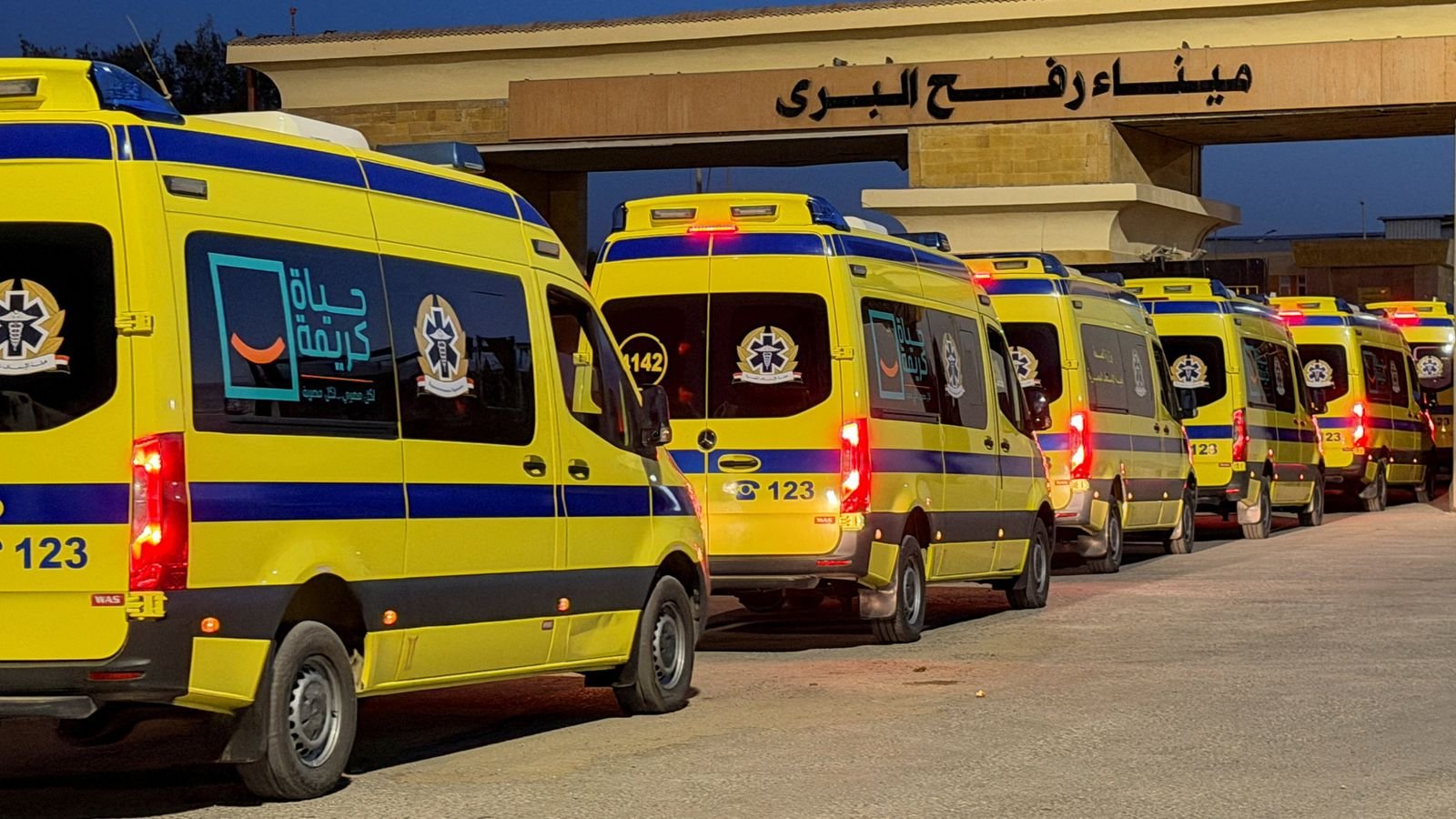
Ambulances lined up on the Egyptian side of the crossing, prepared for the arrival of patients. By late afternoon, a small group of individuals suffering from severe health issues, accompanied by two companions, was transferred from Khan Younis into these medical vehicles. Following a thorough inspection, the patients were set to be transported to hospitals capable of addressing their complex medical needs, a capability that remains sorely lacking in Gaza.
Significance of the Rafah Crossing
The Rafah crossing serves as a vital lifeline for Gazans, offering the only exit from the Strip that does not lead to Israel, making its operation crucial for those in need of urgent medical care. Despite its symbolic significance, the reopening allows only a limited number of individuals to pass, with stringent restrictions in place.
Application Rejections Raise Concerns
On this initial day of operations, it was reported that Israel had rejected a significant number of applications submitted by medical professionals in Gaza. The director of the Nasser Medical Complex disclosed that while his team forwarded 27 patient names, only five had received approval to cross, highlighting potential barriers for many who are critically ill.
Security Protocols and the Flow of Traffic
Israeli authorities have yet to provide explanations for the number of rejections, yet it is evident that extensive security checks are causing delays for those seeking to cross the border. This thorough vetting process is anticipated to prolong the waiting times, further complicating the situation for the thousands who require medical attention or wish to return home.
Background
The opening of the Rafah crossing follows an ongoing humanitarian crisis within Gaza, where healthcare facilities and resources have been severely strained. The current political landscape and ongoing conflict pose significant challenges for those seeking relief, making any progress toward increasing exit numbers of great importance not only for the residents of Gaza but also for the global community.
Conclusion
Even if the numbers eventually increase—for example, with forecasts of around 150 individuals departing and 50 returning—the overall impact may appear minor in the grand scheme of need. Nonetheless, the recent transfer of patients into Egyptian ambulances offers a glimmer of hope for many, marking a tentative step forward in a deeply challenging humanitarian landscape.
Source: Original Article