























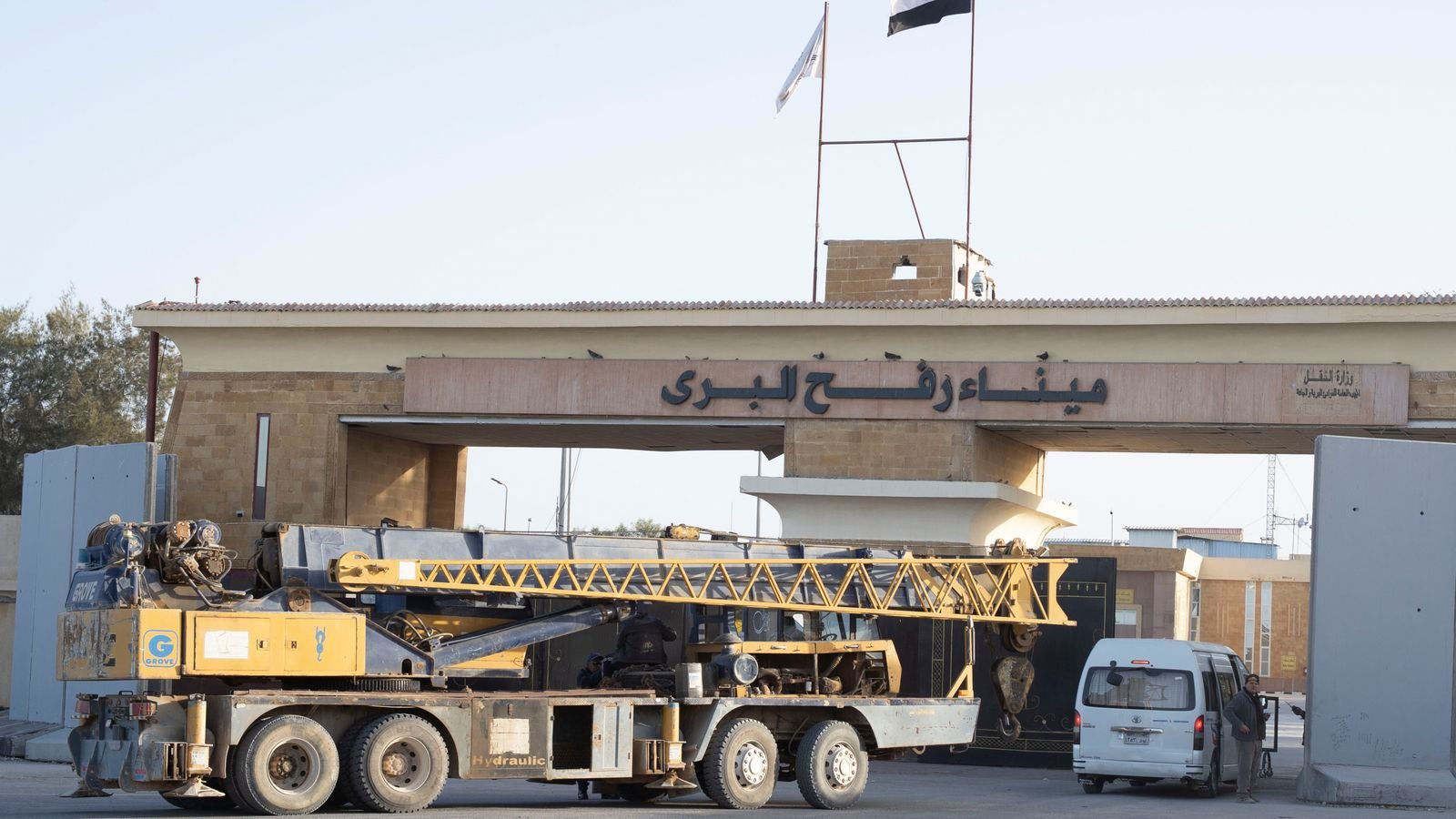
Rafah Border Crossing to Reopen After Prolonged Closure
The Rafah border crossing between Gaza and Egypt is set to reopen after nearly two years of significant restrictions. This development is part of a ceasefire arrangement mediated by the United States, marking a critical step towards improving the humanitarian situation in Gaza.
Travel Resumed Following Long-Standing Closure
On Sunday, Israel announced the temporary reopening of the Rafah crossing as a trial to monitor its functionality. Official travel for residents is scheduled to begin on Monday, enabling movement in both directions.
As an added layer of oversight, a European Union mission will supervise the crossing, ensuring that entry and exit procedures are maintained effectively, as confirmed by an Egyptian official.
Initial reports indicate that only a small number of individuals will be permitted to travel, with Palestinians already entering Gaza through the Egyptian gate. Medical staff and ambulances have started to cross, but it appears that the flow of goods remains restricted.
Impact on Medical Evacuations and Humanitarian Needs
The reopening of the Rafah crossing holds particular significance for approximately 20,000 people in Gaza who are in dire need of medical treatment. Meanwhile, many Palestinians currently residing in Egypt are eager to return to their home territory.
According to officials, the initial flow will be limited to about 150 individuals daily, with allowances made for 50 people needing medical assistance—each accompanied by up to two relatives. Additionally, around 50 individuals who left during the conflict will be able to come back to Gaza each day.
This restrictive access raises concerns, as reports suggest that thousands of people require urgent medical attention. The potential delays in crossing could have grave consequences, as some might not survive long enough to receive necessary care.
Long-Term Implications and Challenges
Despite the symbolic importance of reopening the Rafah crossing, its immediate impact now appears limited. For individuals needing urgent medical treatment, current arrangements would lead to extended waits, prompting fears that some may not make it through the delays.
Palestinian health authorities indicate around 6,000 individuals are in urgent need of treatment outside Gaza. Given the current proposed flow rates, it would take considerable time for them to receive the care they need.
Israeli Prime Minister Benjamin Netanyahu has stated that they will ensure a maximum of 50 patients are allowed to leave each day, presenting a challenge in addressing the urgent healthcare needs of the population.
Background
The Rafah crossing had been largely restricted since 2024 amidst concerns that it was being exploited by Hamas for smuggling activities. This most recent closure has further intensified the humanitarian crisis in Gaza. In recent months, international figures have raised awareness about the ongoing suffering faced by the Gazans. Notably, the crossing was briefly opened earlier in the year for medical evacuations.
The current situation unfolds following the repatriation of the remains of the last Israeli hostage, which appears to have catalysed the decision to reopen the crossing permanently.
With political pressures mounting and humanitarian needs escalating, the effective operation of the Rafah border will be critical in the weeks and months to come.
Source: Original Article






