






















Heavy Rain Helps West Country Recover from Dry Spell
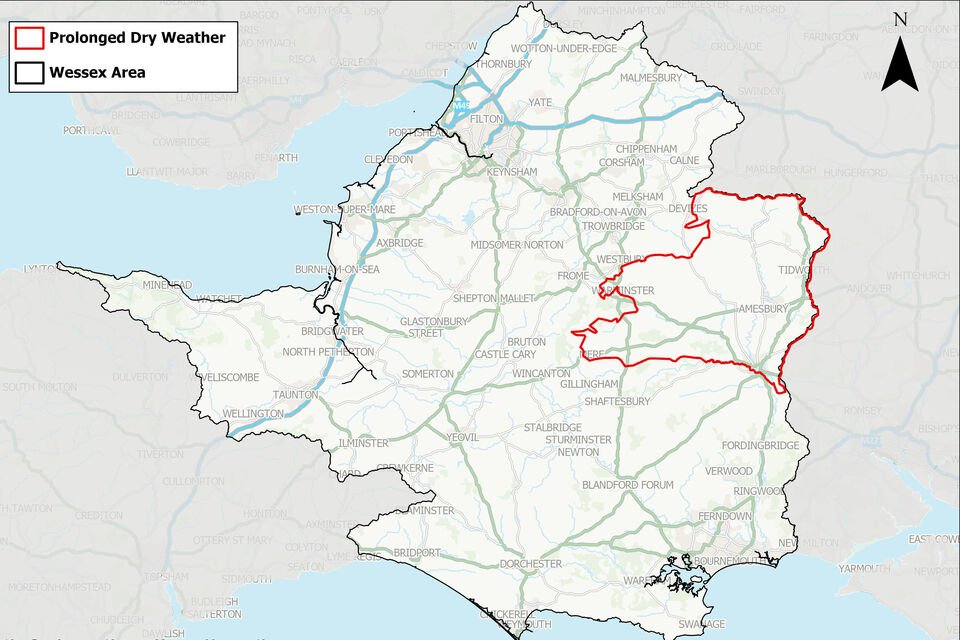
Heavy rainfall has significantly improved the water situation in the West Country, though areas in Wiltshire remain dry as groundwater levels take time to recover. Following a prolonged dry spell that raised drought concerns, recent weather patterns have brought much-needed relief.
Recovery from Drought Conditions
On July 10, the Environment Agency declared a prolonged dry weather status across its Wessex area, encompassing regions such as Bristol, Somerset, Dorset, Wiltshire, and parts of south Gloucestershire, due to the adverse effects of insufficient rainfall and elevated temperatures. The drought potential heightened when England recorded its second driest March to August period since 1871.
As of December 18, the Environment Agency reported that most of Wessex is experiencing recovery due to substantial rainfall. September alone saw precipitation levels reach 142% of the long-term average, followed by 128% in November and a wet start to December, contributing to higher river flows and partial refilling of reservoirs.
Groundwater Levels in Wiltshire
Despite the overall improvement, groundwater levels in the chalk aquifer beneath the upper Hampshire Avon in Wiltshire remain critically low. The area from Devizes to Salisbury continues to face prolonged dry weather until the aquifer is sufficiently recharged. The region will require sustained winter rainfall to ensure adequate water supplies for abstractions and river flows in the coming year.
Ian Withers from the Environment Agency indicated that while recent rain has positively impacted the environment following a dry spell, ongoing wet weather is essential to avoid a deterioration of water conditions. He urged the public to maintain best practices for water sustainability regardless of the weather, reinforcing the shared responsibility in sensible water use.
Potential for Flooding Despite Drought Concerns
Compounding the issue is the risk of flooding, which can occur even in periods of drought due to sudden heavy rainfall. Rivers tend to respond quickly to such events but may quickly revert to below-normal levels if overall water availability does not improve. Underground aquifers, vital for drinking water, need time to replenish, as it takes months for water to filter through soil and into these reserves.
The Environment Agency closely monitors both flooding and drought risks and stands ready for any necessary response.
Background
The Met Office’s long-term forecast predicts continued unsettled weather, yet there remains a possibility of a return to prolonged dry conditions or drought. Adequate rainfall over the next few months is crucial to ensure sufficient water supplies for the year ahead.
For the Environment Agency’s Wessex area, the forecasted monthly rainfall figures for early 2025 show variability, with some months projected to significantly exceed the long-term averages.
- January: 137mm (154%)
- February: 76mm (116%)
- March: 8mm (11%)
- April: 36mm (68%)
- May: 26mm (44%)
- June: 46mm (76%)
- July: 30mm (50%)
- August: 39mm (54%)
- September: 95mm (142%)
- October: 88mm (88%)
- November: 135mm (128%)
As of December 15, reservoir levels for Wessex Water and Bristol Water were reported at 94% and 77%, respectively, indicating an overall trend of recovery, albeit with caution regarding future weather patterns.
Source: official statements, news agencies, and public reports.
https://www.gov.uk/government/news/rain-helps-west-country-recover-from-prolonged-dry-weather






