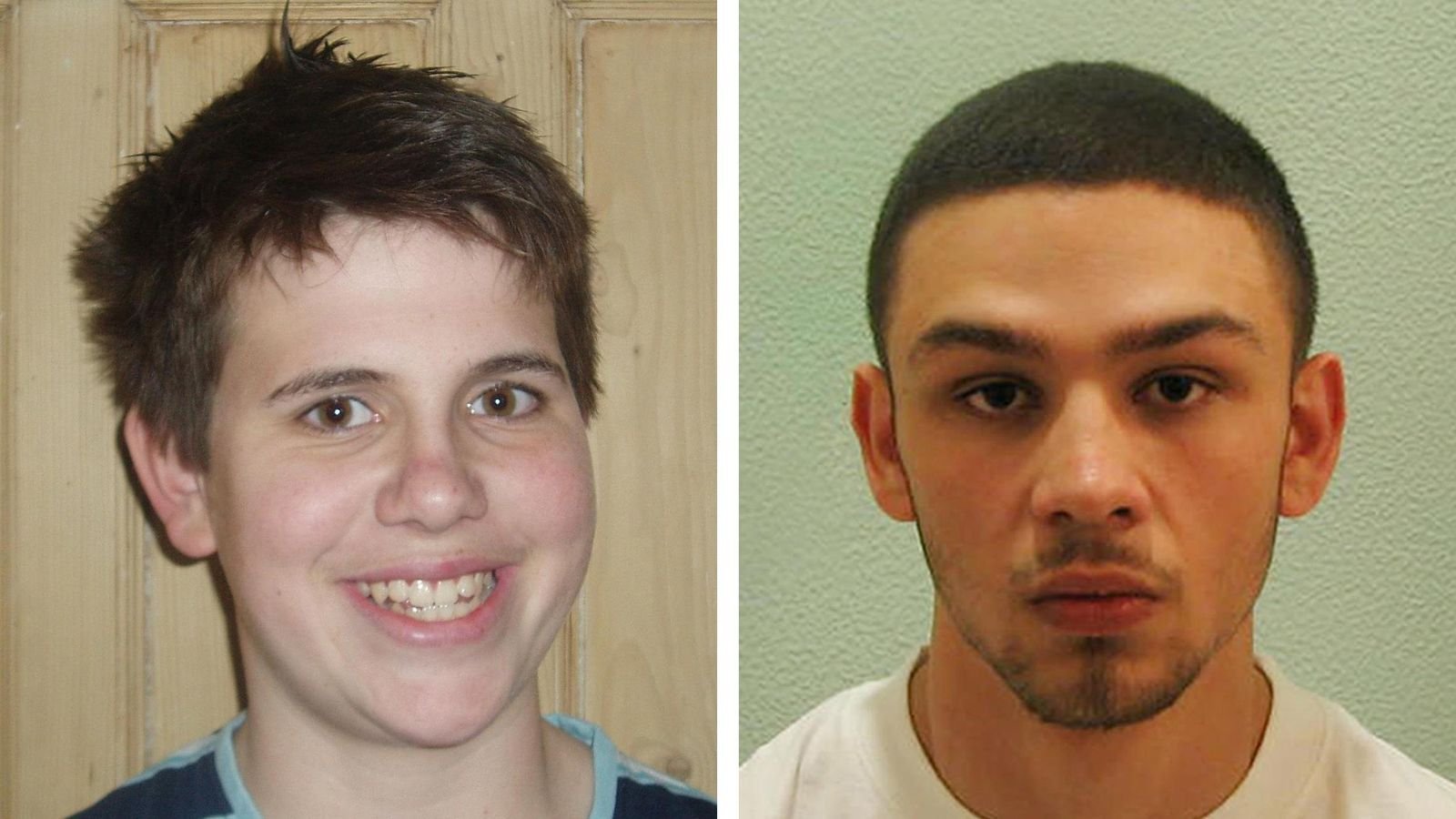
Murderer Jake Fahri Denied Release After Controversial Rapping
Jake Fahri, a convicted murderer whose crime was referenced in his music, has lost his appeal for release but is recommended for transfer to an open prison, pending approval from Justice Secretary David Lammy.
Background of the Case
Fahri was sentenced to life imprisonment in 2009 for the murder of 16-year-old Jimmy Mizen, whom he fatally injured during an altercation in a south London bakery. The incident occurred on 10 May 2008, when Fahri threw an oven dish at Jimmy, causing a severe neck injury that resulted in the schoolboy’s death.
After serving part of his sentence, Fahri was released on licence in June 2023. However, his subsequent musical efforts have sparked outrage, particularly when they appeared to glorify violence and referenced his crime, prompting a public outcry.
The Music Controversy
Fahri, performing under the stage name TEN, quickly made headlines for releasing rap tracks that contain violent imagery, some of which seemingly allude to the circumstances of Jimmy’s death. Following the airing of his music on BBC 1Xtra less than 18 months after his release, his lyrics have drawn widespread criticism. In one song, he raps about preparing a weapon, while another track contains disturbing references to witnessing death and violence.
The response from Jimmy Mizen’s family has been visceral, with Barry and Margaret Mizen expressing their shock upon learning about Fahri’s musical ventures, which they felt disrespected their son’s memory.
Probation and Parole Board Findings
In January 2023, following the emergence of his music, Fahri was recalled to prison. The Probation Service highlighted that Jimmy’s family deserved better than to witness their son’s killer boasting about the violent act. In a recent parole hearing, Fahri’s request for release was denied, although the board suggested he might be suitable for an open prison setting, a move that must first be sanctioned by the Justice Secretary.
During deliberations, the parole panel noted that Fahri initially failed to disclose his music to his probation officer and raised questions about his honesty regarding his artistic output. Additionally, evidence surfaced suggesting that Fahri had claimed on social media that he acted in self-defence during the incident, a statement he later denied while admitting to being the aggressor.
BBC’s Response
In light of the ensuing controversy, the BBC has since stated that Fahri’s music is not included in any of its playlists. A spokesperson clarified that they were unaware of his criminal background and do not endorse his actions, adding that there are no plans to feature his music in the future.
Conclusion
The case has reignited debate over the responsibilities of released prisoners and the impact of their actions on victims’ families. As Fahri awaits a decision on his potential move to open prison conditions, the Mizen family hopes for justice and respect for their son’s memory.
Source: Original Article