Trump’s Comments on NATO Allies in Afghanistan Spark Outrage
Recent remarks by former President Donald Trump concerning NATO allies’ involvement in Afghanistan have ignited considerable backlash. His assertion that coalition forces were hesitant to engage on the front lines not only disrespects the sacrifices made by countless soldiers but also threatens to strain diplomatic ties further.
Controversial Statements
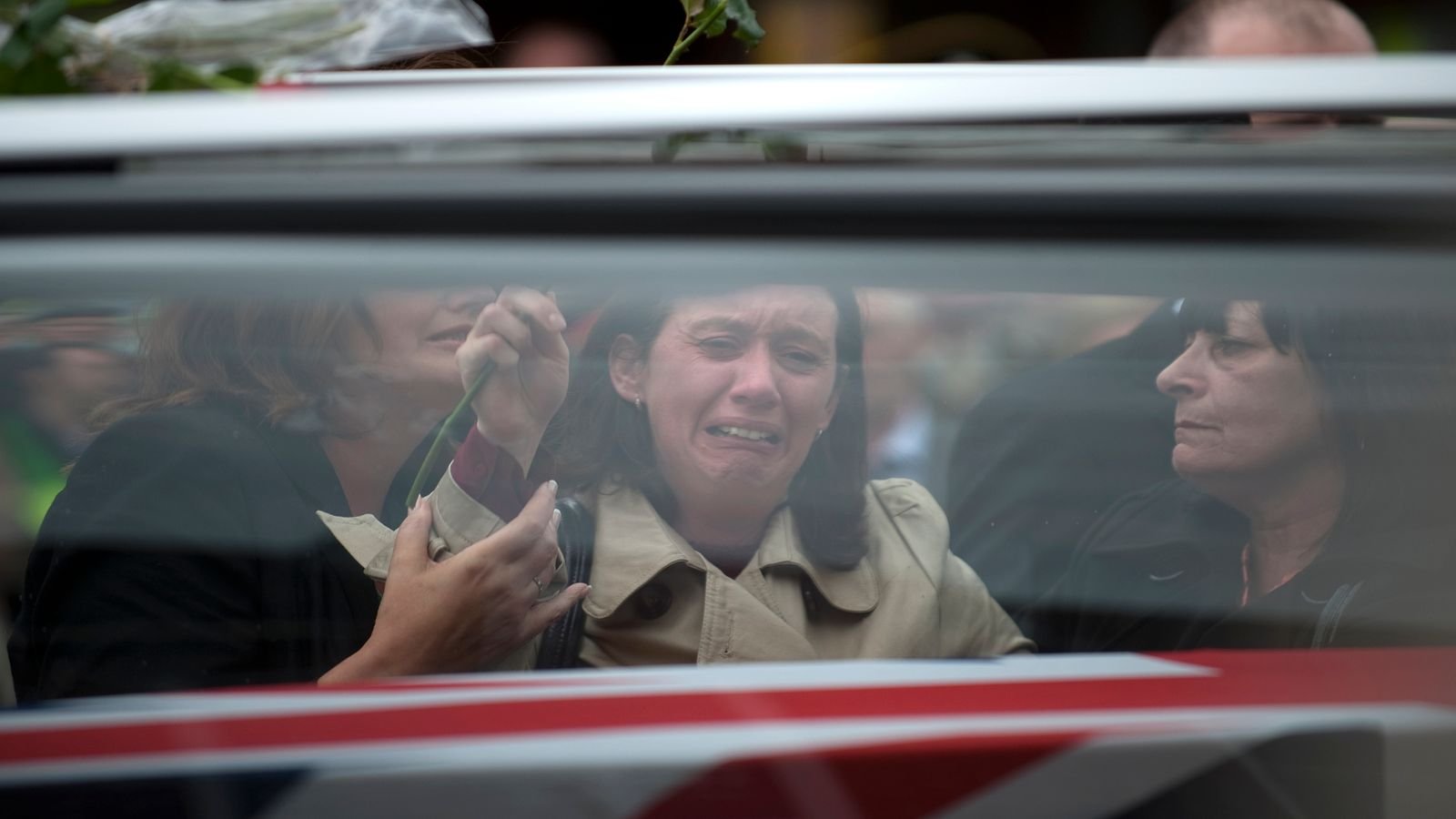
Trump’s claim that coalition troops “stayed a little back; a little off the front lines” is proving to be much more than a mere misstatement. It has resonated deeply, particularly among the families of the 1,160 coalition soldiers who lost their lives while fighting alongside American forces. This statement reflects a dismissal of the sacrifices made by these individuals and the nations that supported the U.S. in a lengthy conflict.
A Gut Punch for Many
The fallout from Trump’s remarks extends far beyond political circles. Families of the fallen and wounded veterans will undoubtedly feel the impact of this narrative, which undermines their sacrifices and experiences in Afghanistan. Thousands of troops from various nations, who fought valiantly alongside American forces, are reminded of their harrowing experiences and the enduring pain of loss and injury.
NATO allies, including Britain and Denmark, played crucial roles alongside U.S. troops after the events of 9/11, committing troops to support what became an increasingly futile war over two decades. The comments can be perceived as an intentional provocation from a leader with a history of disregarding the emotions and realities tied to military service.
Historical Context
Trump’s comments take place against the backdrop of a complicated military history. The war in Afghanistan, now seen by many as a protracted and ultimately unsuccessful endeavour, has left lasting scars on nations involved. The Danish military, for example, suffered the highest per capita losses of any NATO nation, while the UK saw the tragic return of service personnel wrapped in the Union flag, often parading through Wootton Bassett, marking the somber toll of the conflict.
In total, 457 British service personnel died in Afghanistan, each one associated with a grieving family and community that felt the weight of their sacrifice.
Recent Responses
Discussions surrounding Trump’s comments have gained traction in various media outlets, where pundits have expressed both disbelief and anger. Many question whether such rhetoric stems from ignorance or a deliberate attempt to provoke. As noted in recent analyses, the failure to acknowledge the contributions and sacrifices of allies like the UK and Denmark not only risks diplomatic relationships but also inflicts further pain on families of the fallen.
Conclusion
As this narrative unfolds, it serves as a stark reminder of the need for sensitivity in discussing military matters, particularly those that involve the lives and sacrifices of many nations. Respecting the legacy of those who fought and the ongoing impact on their families is paramount as the global community navigates the complex legacy of the Afghanistan conflict.
Background
For over two decades, NATO allies rallied to support the U.S. in Afghanistan following the September 11 attacks. This coalition grew to include forces from various nations, all of which contributed significantly to military efforts and shared in the costs of a prolonged conflict.
Amidst the current geopolitical climate, maintaining strong international relations is more crucial than ever. Upholding the dignity of those who served under the NATO banner should remain a priority to honour their sacrifices and ensure solidarity among allies.
Source: Original Article