Understanding rhythm and meter is fundamental to grasping the essence of music. These two key concepts govern the timing and structure of musical compositions across various genres and traditions. This beginner’s guide aims to elucidate these concepts for a better appreciation of music.
What is Rhythm?
Rhythm refers to the pattern of sounds and silences in music. It drives the music forward and creates a sense of movement. Without rhythm, music would be a series of static notes, lacking the dynamic quality that engages listeners.
Elements of Rhythm
- Beat: The basic unit of time in music, typically felt as a steady pulse.
- Accent: Emphasis on certain beats, which helps to create interest and dynamic variation.
- Duration: The length of time a note or silence is heard, contributing to the overall feel of the rhythm.
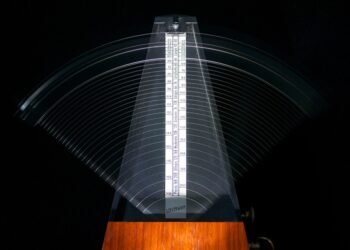
- Tempo: The speed of the beat, often measured in beats per minute (BPM), which can greatly affect the mood of a piece.
Understanding Meter
Meter organizes beats into regular groups, providing a framework that informs how rhythm is structured. It is typically indicated at the beginning of a musical score through a time signature.
Common Time Signatures
The most common time signatures include:
- 4/4: Known as common time, it features four beats per measure and is prevalent in various genres, from classical to rock.
- 3/4: Often used in waltzes, this signature contains three beats per measure, creating a lilting, flowing feel.
- 2/4: Common in marches, this signature features two beats per measure, producing a driving, assertive rhythm.
- 6/8: A compound meter that often conveys a rolling feel, featuring six eighth notes per measure typically grouped into two sets of three.
The Role of Rhythm and Meter in Different Music Genres
Rhythm and meter vary significantly across musical styles, influencing how music is composed and performed:
- Classical Music: Classical compositions often use complex meter changes and varied rhythmic structures, exemplified in the works of composers like Johann Sebastian Bach and Igor Stravinsky.
- Jazz: Jazz thrives on rhythmic improvisation, using syncopation and polyrhythms, with musicians often improvising around a steady metrical framework.
- Folk Music: Many folk traditions utilize simple meters and repetitive rhythmic patterns, often reflecting the cultural origins of the music.
- Pop and Rock: These genres generally favor straightforward rhythms and common time signatures, making the music easily accessible to a wide audience.
The Importance of Rhythm and Meter in Composition
Composers utilize rhythm and meter to evoke specific emotions and enhance storytelling within their music. Understanding these elements allows musicians to create variations and intricate patterns that evoke different feelings in listeners.
Conclusion
Rhythm and meter are foundational aspects of music that shape our listening experience. By familiarizing oneself with these concepts, musicians and music lovers alike can deepen their understanding and appreciation of the art form. Whether through the structured beauty of classical compositions or the lively improvisation of jazz, the essence of rhythm and meter continues to resonate throughout the diverse landscape of music.