Trilateral Peace Talks Set for Abu Dhabi Amid Ongoing Tensions
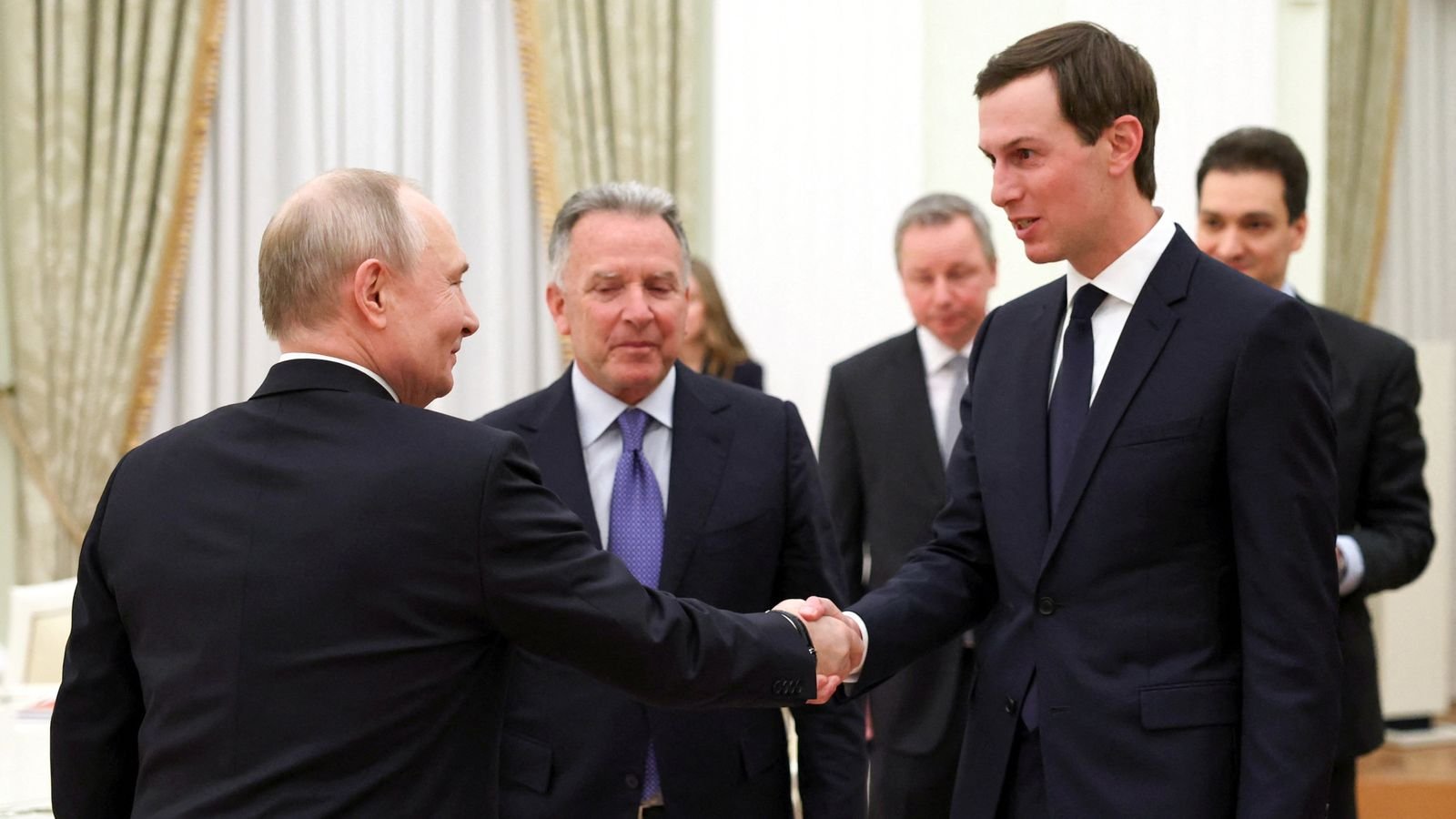
The Kremlin has announced that peace negotiations involving the United States, Ukraine, and Russia are scheduled to occur today in Abu Dhabi. This development follows a meeting in Moscow on Thursday between Russian President Vladimir Putin, former President Donald Trump’s envoy, Steve Witkoff, and his son-in-law, Jared Kushner.
Kremlin’s Position on Peace Talks
According to official statements, the discussions between the three nations were described by the Kremlin as highly substantive and constructive. However, officials cautioned that the likelihood of achieving a long-term resolution depends heavily on addressing territorial disputes. They reiterated a longstanding warning that continued military action will persist until a diplomatic resolution is reached, a perspective echoed during last year’s Trump-Putin summit in Alaska.
Details of the Delegations
Ukraine is set to be represented by Rustem Umerov, its chief negotiator, alongside Kyrylo Budanov, an aide to President Volodymyr Zelenskyy. In contrast, Russia will be sending Admiral Igor Kostyukov to lead its delegation at the talks, which are focused on security issues.
Zelenskyy’s Frustration and Call for Action
President Zelenskyy indicated that the trilateral talks were somewhat hastily arranged following his own discussions with Trump at the World Economic Forum in Davos. During his speech, he expressed frustration with Ukraine’s European allies, asserting that little progress has been made since he voiced similar sentiments a year prior. He warned of a potential endless cycle of inaction within Europe.
Response from European Leaders
In response to Zelenskyy’s criticisms, Ursula von der Leyen, President of the European Commission, emphasized the substantial support the EU has extended to Ukraine over the past four years, amounting to over €193 billion (£168 billion), with an additional €90 billion (£78 billion) pledged for the next two years. She asserted that the EU’s actions demonstrate its commitment to aiding Ukraine.
Background
The tensions between Ukraine and Russia have escalated since 2014, following Russia’s annexation of Crimea and its ongoing military operations in eastern Ukraine. The international community has sought to mediate peace, but previous diplomatic efforts have often failed to yield lasting solutions, particularly around territorial integrity and security assurances for Ukraine.
While the recent engagements point toward a possible thaw in relations, significant obstacles remain, particularly concerning territorial claims and military presence along the Ukrainian border. As this diplomatic initiative unfolds, its implications will be closely monitored by global actors, including the UK, given its vested interests in regional stability and security.
Source: Original Article