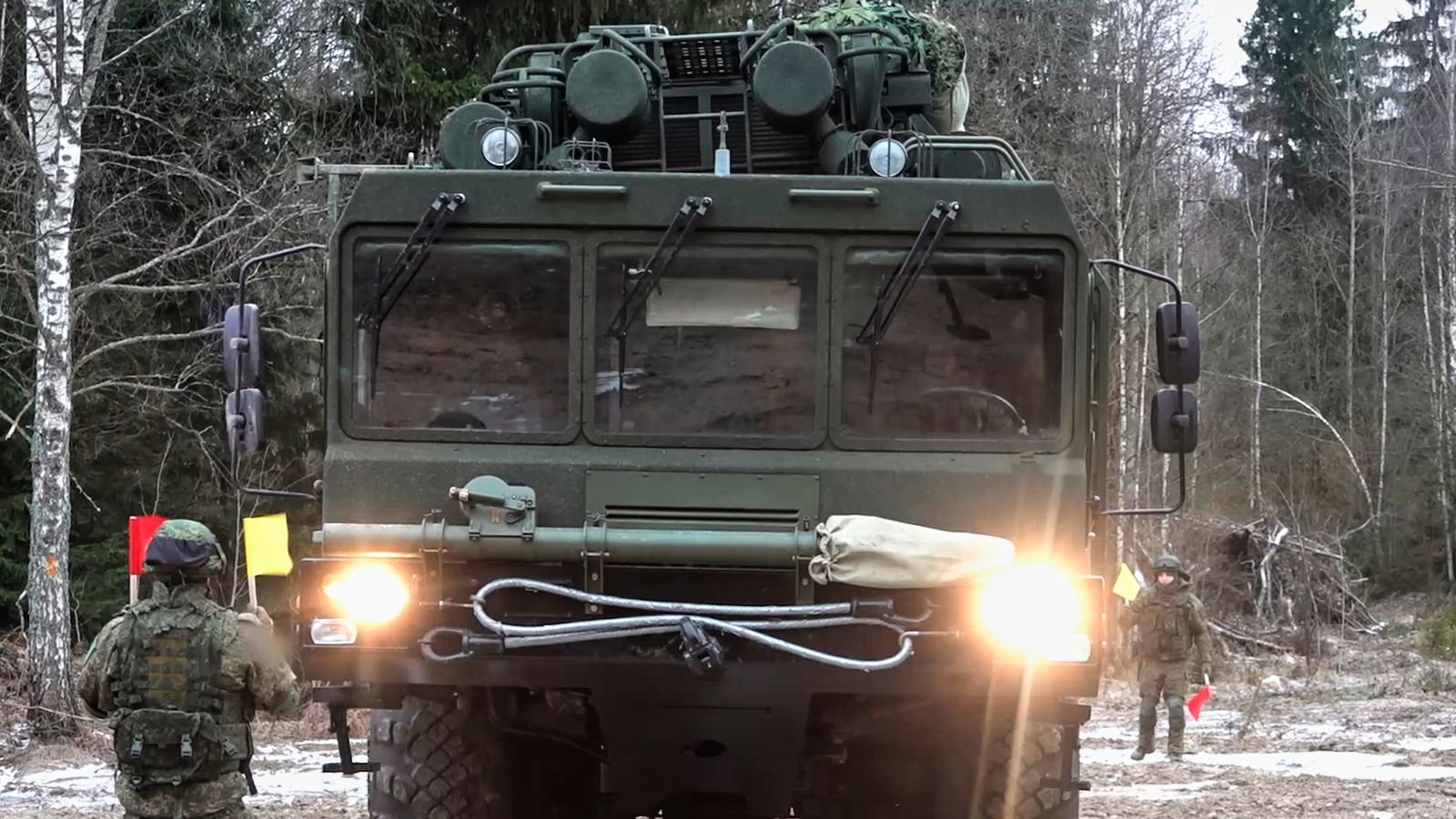
Russia’s Oreshnik Missile: Implications for European Security
Russia’s recent use of the Oreshnik intermediate-range ballistic missile (IRBM) in strikes on Ukraine has raised significant alarm regarding the potential security repercussions for Europe and NATO. This hypersonic, nuclear-capable missile, launched at Lviv on 8 January, forms part of an extensive assault involving hundreds of missiles and drones targeting various regions across Ukraine.
Capabilities of the Oreshnik Missile
The Oreshnik missile, which boasts a range of up to 5,500 kilometres, effectively positions a large portion of Europe within its strike zone. At speeds reaching Mach 10 to 11, it presents considerable challenges for missile defence systems, which have limited time to react to such high-velocity threats. Experts have noted that while Ukrainian forces have previously achieved interception rates of around 80%, this rate has declined to approximately 54% in recent months, further complicating defence efforts against advanced missile systems.
Some analysts question the extent of technological advancement promised by the Oreshnik, suggesting it may derive from an existing missile model known as RS-26 Rubezh. Nonetheless, Ukraine’s Foreign Minister, Andrii Sybiha, has labelled the Oreshnik a “grave threat” to the security of Europe, particularly as it struck infrastructure in Lviv, situated roughly 40 miles from the Polish border.
Geopolitical Context
The proximity of such missile strikes to NATO borders, far closer than previous instances, amplifies the sense of threat. Russia’s choice to launch these strikes during a period marked by changes in its nuclear deterrence policy further heightens the stakes. Moscow’s recent warnings indicate that any British or French military involvement in Ukraine might be viewed as potential targets, underscoring the broader implications of the missile’s deployment.
Military Assessment and Strategic Implications
Analysts express concern that the demonstrations of the missile’s capabilities, even when it appears to carry non-explosive warheads, serve as a potent psychological tool. The implications extend beyond immediate physical destruction; they reflect a strategic challenge that could expose vulnerabilities in NATO’s missile defence infrastructure.
The missile’s capabilities indicate a commitment from Russia to escalate the conflict and could pave the way for its increased use in conventional strikes, consequently putting NATO military assets in Ukraine at risk.
Background
Russia’s military activities in Ukraine have escalated since the war began, with frequent incursions impacting neighbouring countries like Poland, which experienced airspace violations from Russian drones in late 2025. These developments are crucial, as nations in Europe grapple with the implications of the ongoing conflict on their security policies.
The deployment of the Oreshnik missile embodies a broader strategy from the Kremlin, aiming to warn Western allies against their continued support for Ukraine. While the current usage may not signal an imminent military assault, the strategic temperature it raises prompts a reassessment of defence readiness and collaborative efforts among NATO countries to ensure stability in the region.
Source: Original Article