






















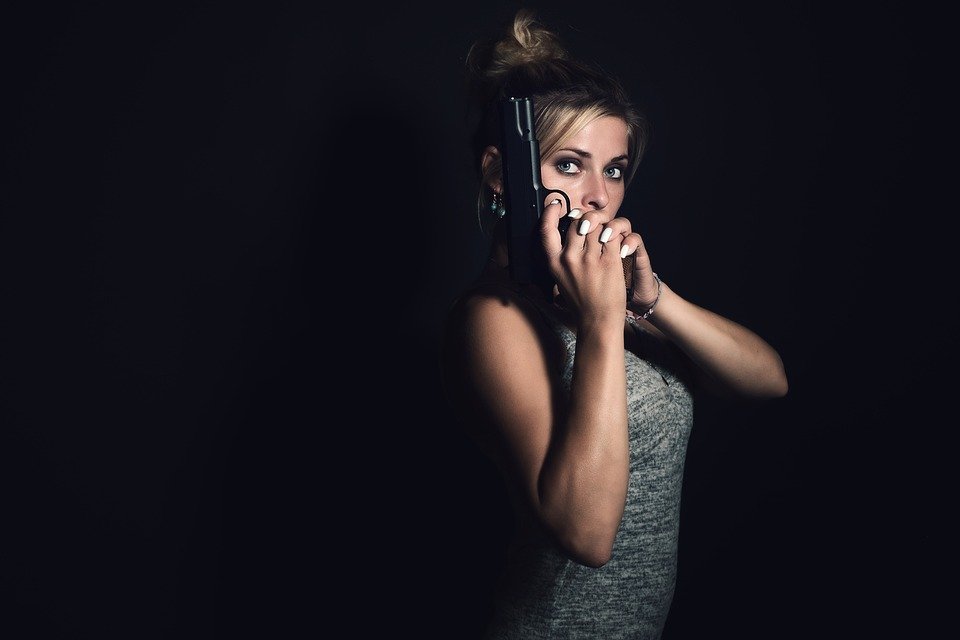
Introduction to Film Noir
Film noir emerged in the early 1940s, characterized by its distinct aesthetic and thematic elements. Originating in the United States, this genre predominantly thrives on moral ambiguity, cynicism, and the exploration of human nature’s darker sides. The atmospheric interplay of shadows and light sets the stage for storytelling that captivates audiences.
Cinematographic Techniques
The visual style of film noir is crucial to its storytelling. The following techniques illustrate how shadows and light shape the genre:
- Low-Key Lighting: This technique involves the prominent use of shadows and dim lighting, creating a sense of mystery and tension. Cinematographers like John Alton revolutionized this style, making shadows an integral part of the narrative.
- Chiaroscuro: Borrowed from the art world, chiaroscuro combines light and dark to create depth and volume. This technique visually emphasizes the characters’ inner conflicts, as seen in films like “The Maltese Falcon” (1941).
- High Contrast: Films often displayed stark contrasts between light and dark spaces. This dynamic can evoke emotional responses and accentuate suspense, as exemplified in “Double Indemnity” (1944), directed by Billy Wilder.
- Unconventional Framing: The use of unusual angles and close-ups can evoke feelings of claustrophobia and unease. Directors such as Orson Welles in “Touch of Evil” (1958) utilized these techniques to draw audiences deeper into the flawed psyches of their characters.
- Use of Mirrors and Reflections: Mirrors often symbolize duality and the fractured identities of characters. This technique is prevalent in films like “Laura” (1944), where the protagonist’s image reflects her complicated reality.
The Influence of Expressionism
The roots of film noir can be traced back to German Expressionism, which emphasized visual symbolism and emotional states. Directors like Fritz Lang used distorted perspectives and exaggerated shadows to portray psychological tension. This influence on American cinema is evident in the mood and style of films produced throughout the film noir movement.
Noteworthy Directors and Cinematographers
Several key figures played pivotal roles in shaping the film noir aesthetic:
- Alfred Hitchcock: While often associated with psychological thrillers, Hitchcock’s influence on the suspenseful aspects of film noir is undeniable, particularly in films like “Shadow of a Doubt” (1943).
- Film Noir Legends: Directors such as Billy Wilder, Otto Preminger, and Jacques Tourneur are celebrated for their contributions to the genre, each employing shadows, light, and innovative camera techniques in their storytelling.
- Cinematographers: The contributions of cinematographers like John Alton and Gregg Toland cannot be overlooked. Their mastery of lighting and composition established the visual language of film noir.
Iconic Performances and Their Impact
The performances of classic film noir actors greatly contributed to the mood and character dynamics. Actors such as Humphrey Bogart, Barbara Stanwyck, and Rita Hayworth embodied the archetypal roles that both captivated and unsettled audiences. Their portrayals, often shrouded in moral ambiguity, reflect the genre’s intricate dance of shadows and light.
Conclusion
Shadows and light play an essential role in crafting the unique visual narrative of film noir. Through the interplay of cinematographic techniques, directors and cinematographers solidified this genre as a milestone in cinematic history. The profound impact of film noir continues to influence filmmakers, demonstrating that the exploration of light and darkness resonates deeply in the human experience.






