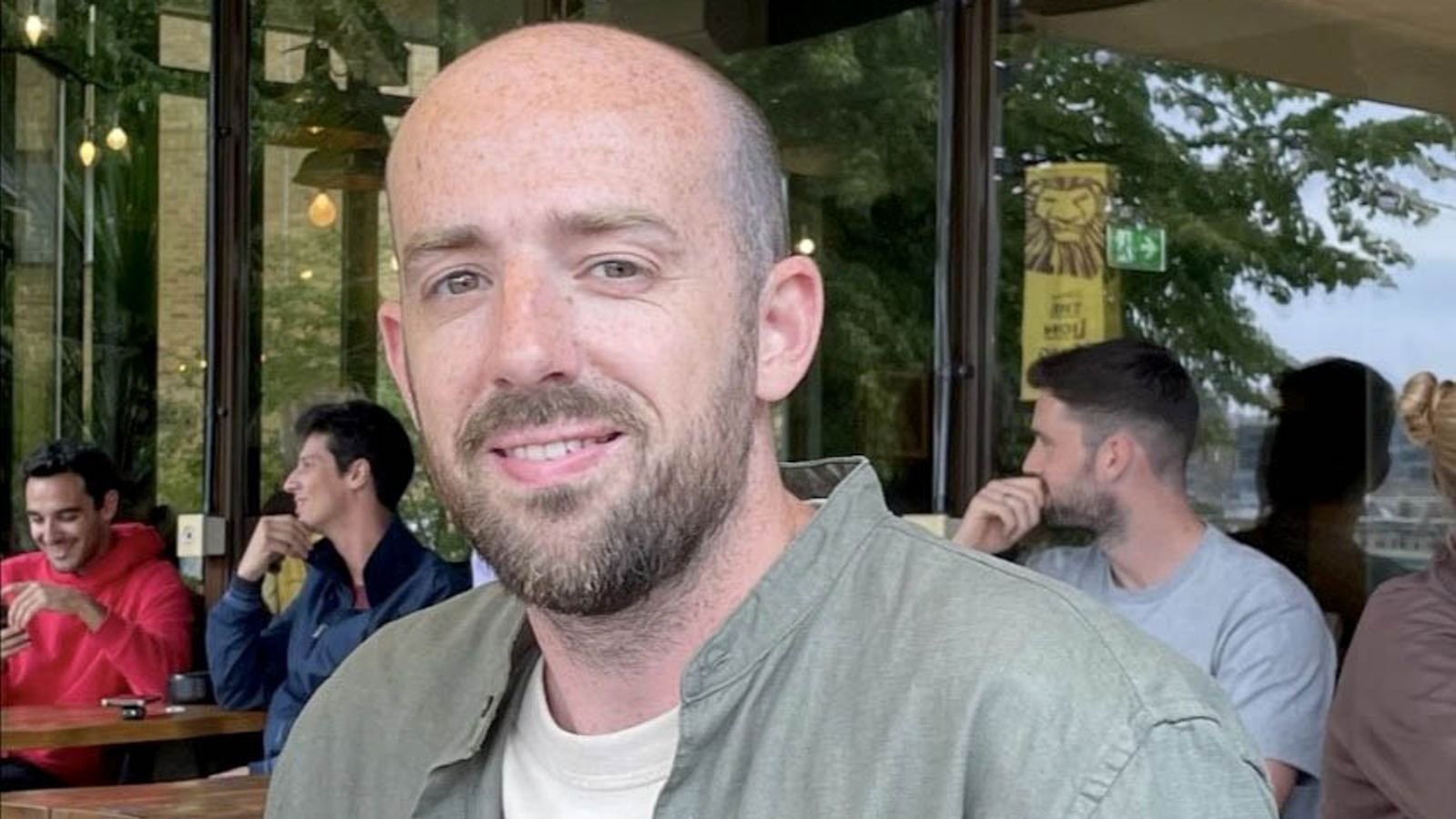
Tragic Death of Oliver Long Spurs Calls for Gambling Law Reforms
The family of Oliver Long, a 36-year-old man who tragically took his own life, is urging the UK Gambling Commission to reassess current legislation governing online gambling. Long’s demise followed a severe struggle with gambling addiction, which advocates argue was exacerbated by unregulated betting websites targeting vulnerable individuals.
The Circumstances of Oliver Long’s Death
Oliver Long’s body was discovered in East Sussex on 23 February last year. An inquest revealed that Long had been grappling with a gambling addiction, which had significantly impacted his life. His sister, Chloe, highlighted the distress he experienced as he sought help by voluntarily self-excluding from legitimate online gambling platforms but ultimately fell prey to illicit offshore sites.
Chloe expressed profound grief, stating that her brother had made genuine efforts to stop gambling but was relentlessly pursued by these illegal sites. “He was trying his utmost to help himself,” she stated, noting the danger these platforms pose to other vulnerable individuals.
Coroner’s Findings and Family’s Reaction
The inquest recorded a finding of suicide, while the coroner did not attribute his death specifically to a gambling disorder, a decision the family finds disappointing. Despite this, Chloe Long is determined to advocate for change in Oliver’s memory, drawing attention to the urgent need for legislative reform.
Concerns Over Online Gambling Regulations
Chloe underscored the inadequacies of the Gambling Commission, stating that existing laws are outdated and insufficient in addressing the risks posed by online gambling platforms. She called for a revision to ensure more stringent protections for vulnerable groups, including those who have self-excluded and minors.
The Gambling Commission has acknowledged the risks associated with unlicensed gambling sites, which deliberately evade regulations designed to protect consumers. In a statement, they expressed their condolences over Long’s death and reiterated their commitment to addressing the issue.
The Industry’s Role in Gambling Addiction
Chloe further articulated her belief that the gambling industry exploited her brother’s passion for football, which she described as a manipulative tactic that left him battling intense feelings of guilt and shame. “These predatory systems were designed to exploit individuals like Ollie,” she commented. “They not only drained his finances but destroyed his sense of self-worth and ultimately, his life.”
Long’s Struggles and Final Days
Oliver Long had been diagnosed with a severe gambling addiction. In the months leading up to his death, he had exhausted significant personal savings, losing his job and facing the devastation of separating from his long-term partner. Family statements revealed he spent time with relatives just days before his death, during which he wrote farewell notes, highlighting his deeply troubled state.
His struggles with depression and anxiety were exacerbated by his gambling, impacting not just his finances but also his mental health. Chloe emphasized the need for a comprehensive strategy to combat illegal gambling operations, particularly in the context of technology and an increasingly digital landscape.
Conclusion
The call for reform comes at a critical time as gambling-related issues continue to gain prominence in public discourse. Chloe Long’s heartfelt advocacy underscores the need for a re-evaluation of gambling laws, aimed at preventing similar tragedies in the future.
Background
The growing prevalence of online gambling and the emergence of unregulated platforms pose significant challenges in consumer protection. Families affected by gambling addiction are increasingly voicing their concerns about the inadequacies of current regulations, prompting calls for urgent reform.
Note: Anyone struggling with mental health issues can reach out to the Samaritans for support by calling 116 123 in the UK.
Source: Original Article