






















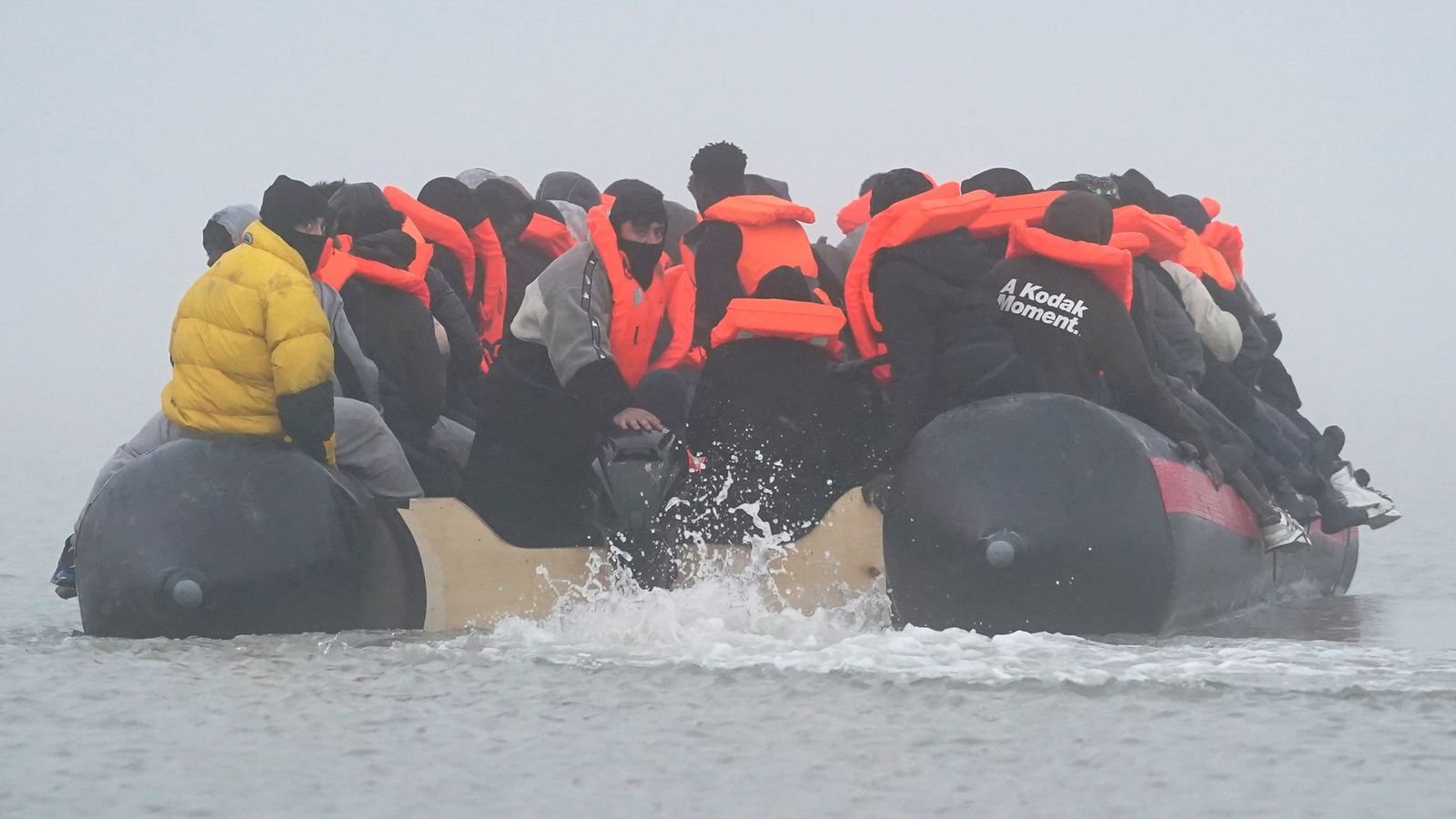
Small Boat Crossings Resume After Lull, Highlighting Vulnerabilities in Migration Policy
A recent surge in small boat crossings in the English Channel has revitalised the ongoing debate surrounding migration policy in the UK. After experiencing a 28-day hiatus — the longest since 2018 — arrivals resumed abruptly, signalling the precariousness of the government’s control over migration numbers.
Political Repercussions
The brief period without reported crossings had provided government officials with a momentary reprieve amid intense public scrutiny. However, the return of crossings has reignited concerns about the effectiveness of current policies. Traditionally, December is one of the least active months for such journeys, attributed to harsher weather conditions that typically deter crossings. Critics caution that framing the pause as a victory may misinterpret seasonal fluctuations for genuine policy success.
The resumption of crossings underscores a troubling reality known among campaigners as a “one in, one out” phenomenon, where any temporary decrease can quickly rebound under improved conditions. The stakes are high; the government’s reputation hinges on its ability to demonstrate control over the borders, with small boat crossings symbolising either success or failure in addressing migration issues.
Government Promises and Current Statistics
The Prime Minister has publicly committed to eliminating what he terms the “vile trade” of migrants crossing the Channel, while the Home Secretary has outlined a strategy focused on deterrence, expedited removals, international cooperation, and disrupting smuggling networks. Yet, current statistics reveal a complicated picture. So far this year, 39,292 arrivals have been recorded, marking a 7% increase compared to the same period last year.
Challenges Ahead
Despite temporary lulls in arrivals, the overall trend remains upward, presenting challenges for government officials attempting to provide evidence of successful policy implementation. Opposition parties, including Labour, argue that the Conservative government has left behind a flawed asylum system, complicating efforts for sustainable reform.
Additionally, the Green Party has called for a more humane approach that includes permitting asylum seekers to work legally. They reject what they see as sensationalist politics surrounding the issue, advocating instead for a managed and compassionate system.
Background
The issue of small boat crossings has increasingly captured public attention, especially amid rising concerns over undocumented migration. Historical context indicates rising numbers have not only spurred debates about policy effectiveness but have also highlighted the broader implications for the UK’s immigration system. As winter approaches, the government’s ability to manage and reduce these numbers will face greater scrutiny, with the emphasis on sustained policy effectiveness rather than weather-dependent fluctuations.
In summary, the recent uptick in small boat crossings signals ongoing vulnerabilities in the UK’s migration strategy. With criticism from various political fronts and mounting public concern, the government faces a significant challenge in demonstrating both control and compassion in its handling of asylum and migration issues.
Source: Original Article






