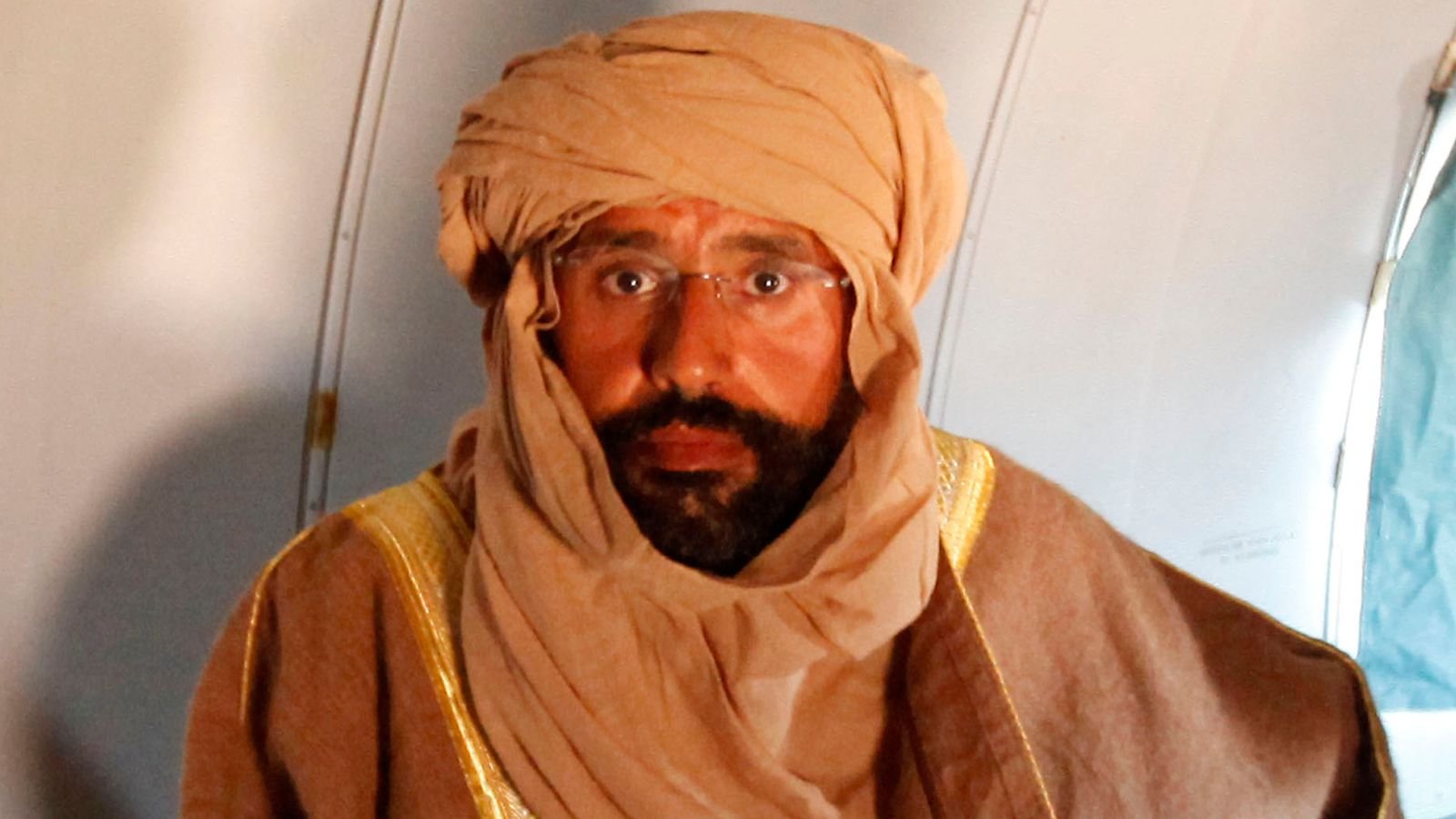
Saif al Islam Gaddafi Killed in Attack
Saif al Islam Gaddafi, the son of Libya’s former leader Muammar Gaddafi, has been shot dead by armed assailants who invaded his residence. The 53-year-old was fatally wounded in a confrontation that occurred in Zintan, a town southwest of Tripoli, as confirmed by official statements and social media posts from his legal representatives.
The Incident
According to reports, Gaddafi was killed during a violent encounter with four gunmen who stormed into his home. His lawyer and adviser both shared the news on social media platforms, though details regarding the circumstances of the attack remain sparse.
Historical Context
Once considered a significant figure in Libya, Saif al Islam Gaddafi held no formal office but had considerable influence in the oil-rich nation during his father’s four-decade dictatorship. He was instrumental in shaping policies and represented Libya in prominent diplomatic discussions, including those involving nuclear disarmament and compensation related to the bombing of Pan Am Flight 103 in 1988.
Educated at the London School of Economics, he was viewed as a more Western-friendly face of Libya. However, his reputation suffered during the 2011 civil unrest when he played a key role in violently suppressing rebel forces. Following the fall of his father’s regime, Saif was captured while attempting to escape to Niger, just a month after Muammar Gaddafi was killed by opposition fighters.
Legal Troubles and Recent Developments
In 2015, he was sentenced to death by a Libyan court on charges of war crimes, and he was listed as a fugitive by the International Criminal Court for alleged crimes against humanity. After spending six years in detention in Zintan, he was released in 2017 under an amnesty deal. Later, in 2021, he declared his intention to run for president, a bid met with significant opposition from those who bore the scars of his father’s reign.
His candidacy sparked considerable controversy, leading to delays in the electoral process amidst disputes between rival armed factions within Libya.
The Wider Implications
The assassination of Saif al Islam Gaddafi adds to the instability that has plagued Libya since the Gaddafi regime’s fall in 2011. The country remains divided, with competing authorities in both the east and the west struggling for control. This situation reflects a broader challenge for governance and civil order, impacting regional security and international relations.
Background
The civil unrest in Libya began in 2011 as part of the broader Arab Spring protests, and it escalated into a full-scale civil war that resulted in the end of Muammar Gaddafi’s dictatorship. Since then, Libya has experienced continuous strife, with various factions vying for power, making it a complex and volatile arena for both local and international stakeholders.
Source: Original Article