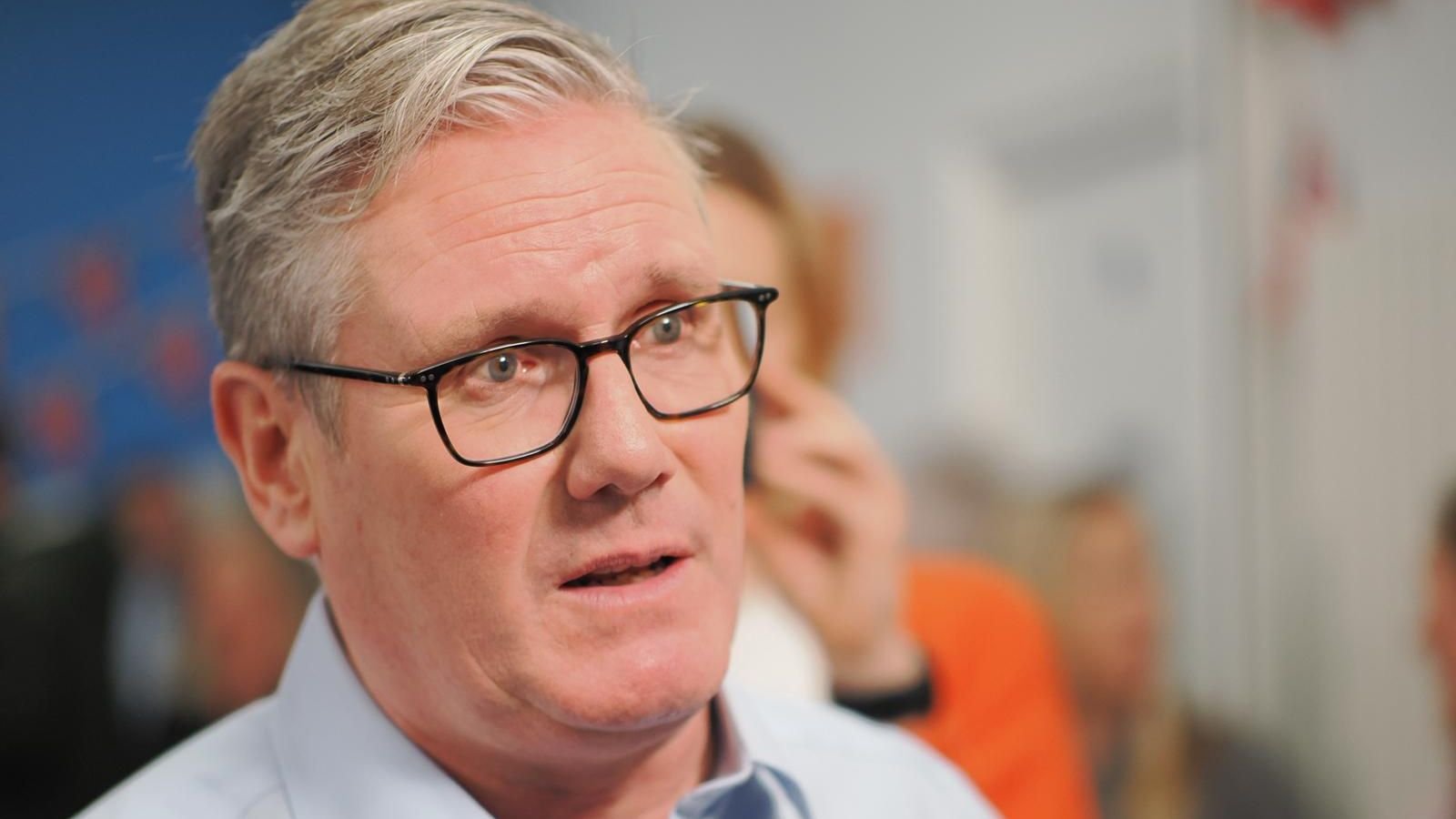
Starmer Defends Labour’s Tax Policy Amid Record Budget Increases
Sir Keir Starmer has reaffirmed that the Labour Party has adhered to its manifesto commitments, despite the recent announcement of significant tax increases in the budget. Following the chancellor’s declaration of the highest tax rates in history, Starmer called on all citizens to play their part in addressing the nation’s challenges.
Budget Overview
The morning after the chancellor unveiled her ambitious fiscal strategies, Starmer spoke to Sky News, asserting that the government has taken minimal steps necessary to mitigate impacts on the public while claiming to have done so equitably. He dismissed allegations that his administration had deceived voters regarding tax rises after previously promising not to increase taxes in the last budget.
Starmer emphasized, “It is not correct to say we have misled the public,” as he continued to deflect accusations surrounding the potential breach of commitments not to raise income tax, national insurance, or VAT on working individuals.
Reasons for Tax Increases
The Labour leader highlighted three primary reasons behind the tax hikes: ensuring sufficient funding for the National Health Service (NHS), enhancing educational opportunities for children, and alleviating the cost of living crisis.
“We’ve asked everyone to contribute,” Starmer stated, noting the importance of maintaining essential public services so they remain effective for citizens and their families during times of need.
Child Benefit Cap and Other Announcements
In a notable budget shift, Shadow Chancellor Rachel Reeves announced the lifting of the two-child benefit cap, a decision expected to incur an annual cost of approximately £3 billion by 2029-30. This move has received positive feedback from within Labour ranks. Responding to claims that the decision was politically motivated, Starmer insisted his focus has always been on reducing child poverty.
Economic Stability Claims
Starmer also claimed that the tax increases aim to stabilise the economy, referencing a reported fiscal leeway of £21.7 billion created by the new measures and the market’s favourable reaction to the budget announcement.
Public Response and Tax Changes
The chancellor’s budget included 43 separate tax increases aimed at generating an additional £26 billion, bringing overall tax rates to unprecedented levels. Key strategies included extending the freeze on income tax thresholds for an additional three years, which is projected to raise £8.3 billion by the decade’s end.
Reeves acknowledged the need for ordinary people to bear a heavier financial burden, yet maintained that the party’s manifesto promises remained intact. She explained the specifics of the manifesto and highlighted the necessity of these tax policies.
Other Budget Measures
The budget also introduced several other significant measures, including:
- Introducing a cap on pensions contributions through salary sacrifice set for 2029.
- Reducing the cash ISA allowance for individuals under 65.
- Establishing a mansion tax on properties worth over £2 million.
- Increasing basic and new state pension rates by 4.8%.
- Implementing a pay-per-mile tax for electric vehicles starting in 2028.
- Adjusting tax rates on property savings and dividend income upwards.
- Freezing fuel duty until next September and cutting energy bills by £150 from April.
Background
This budget announcement follows a series of policies that have sparked public debate regarding fiscal responsibility and commitment to manifesto pledges. The latest measures come against a backdrop of economic challenges affecting households across the UK, highlighting the ongoing complexities within public finance and welfare systems.
As the government navigates its fiscal landscape, both leaders will face scrutiny regarding the impacts on ordinary citizens and the future implications of these financial decisions.
Source: Original Article