






















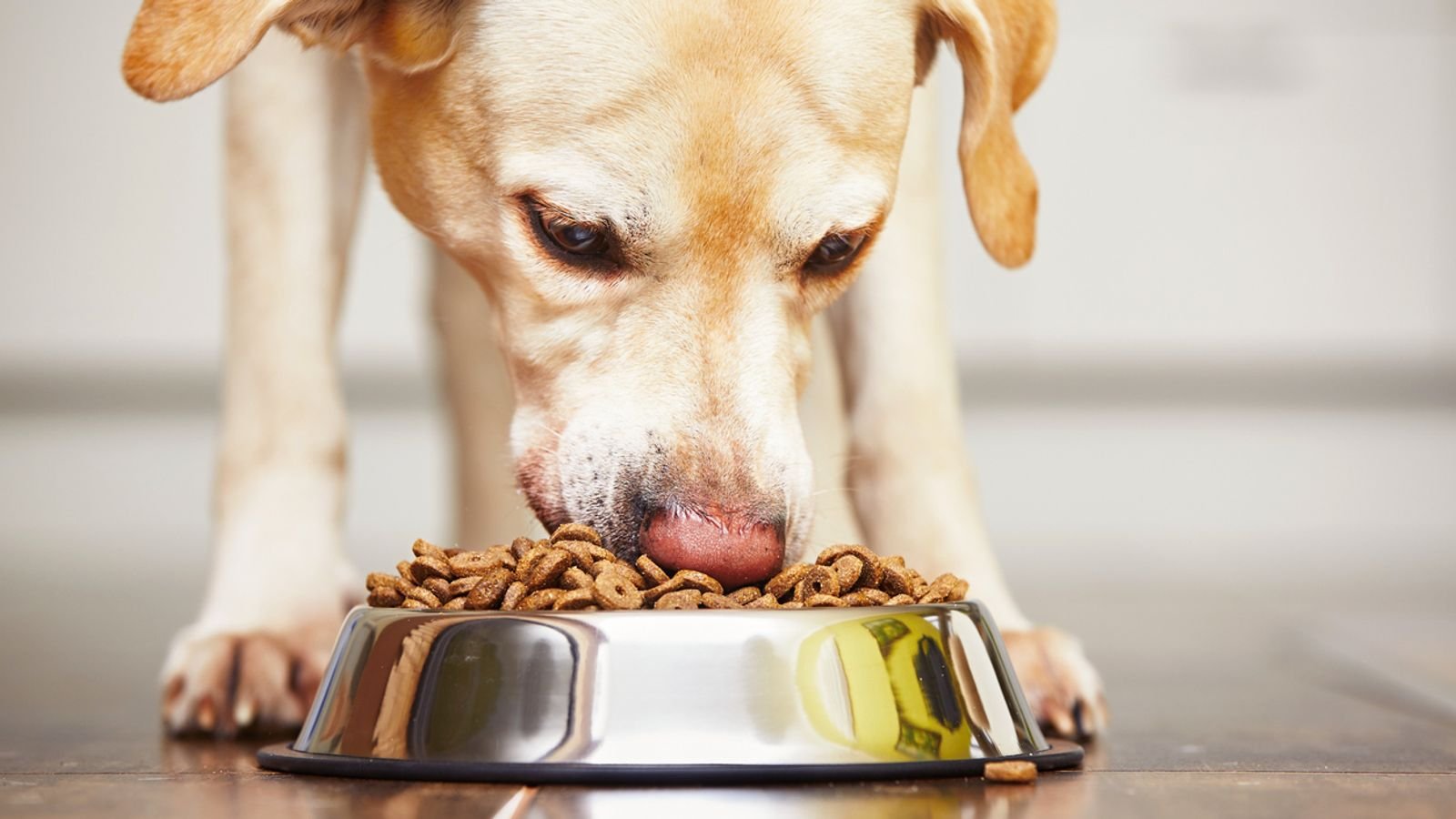
Impact of Dog Food on Greenhouse Gas Emissions Revealed
A recent environmental survey indicates that dog food in the UK contributes approximately 1% of the nation’s total greenhouse gas emissions. The study highlights significant disparities in the climate impact among different types of commercial dog foods, with some brands producing emissions up to 65 times higher than the least impactful options.
Research Findings on Food Types
Conducted by scientists from the Universities of Edinburgh and Exeter, the study analysed the carbon footprint of nearly 1,000 commercial dog food products. Researchers focused on emissions generated during the production of the ingredients, considering various formats such as dry, wet, and raw foods, as well as plant-based and grain-free alternatives.
The analysis indicates that wet, raw, and highly meat-rich dog foods are associated with considerably higher greenhouse gas emissions compared to their dry counterparts. Furthermore, plant-based options tend to have a lower impact, particularly in the wet food category. These findings underline the importance of greater transparency regarding the ingredients used in pet food, especially as pet ownership continues to rise.
The Move Towards Sustainable Options
John Harvey, a researcher at the University of Edinburgh, pointed out a growing market for plant-based dog foods. Nevertheless, while some dog owners are beginning to opt for these lower-impact options, the trend is limited, with many still gravitating towards high-meat diets. Harvey clarified that there is no substantial evidence indicating that dogs require diets rich in meat.
According to Harvey, the labelling of dog food is inadequate, preventing consumers from understanding the environmental implications of their choices. He emphasised the need for clearer labeling that distinguishes between types of meat included in dog foods, noting that offcuts and organs—typically considered waste products—have a much lower ecological footprint than meat that could be consumed by humans.
How Pet Owners Can Reduce Environmental Impact
To mitigate the environmental impact of their pets, dog owners can take several actions:
- Opt for lower-impact food formats, predominantly dry food.
- Avoid waste by storing food properly and minimising leftovers.
- Feed pets appropriate portions, as overweight animals face health risks.
- Dispose of dog waste responsibly by using bags and proper bins.
Harvey reiterated the necessity for clearer food labels to enable dog owners to make informed and environmentally conscious choices regarding their pets’ diets.
Background
The issue of pet food’s contribution to greenhouse emissions arises amidst growing concerns about climate change and the impact of food production on the environment. As more households adopt pets, understanding the ecological consequences of pet ownership has become increasingly important.
Source: Original Article






