Syrian Nation Celebrates One Year After Assad’s Fall Amidst Ongoing Challenges
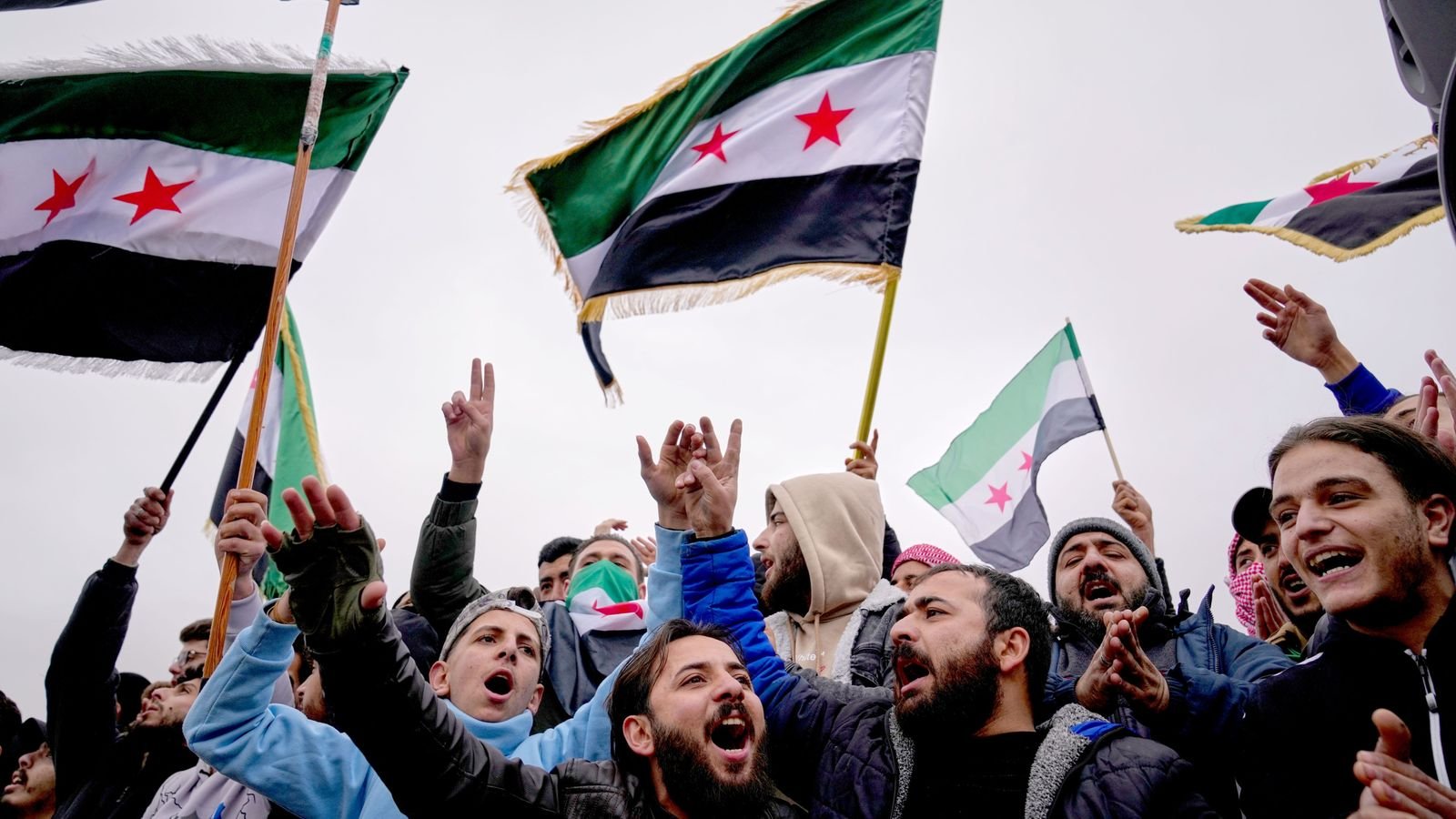
One year after the dramatic ousting of Bashar al Assad, Syria has marked this anniversary with both celebration and caution. Initially engulfed in jubilation, the country now faces significant hurdles as it attempts to navigate a new political landscape amidst threats both domestic and foreign.
Celebration and Transition
The fall of Assad, a leader whose regime was synonymous with oppression, unleashed euphoria across the nation. In cities like Damascus, citizens celebrated through spontaneous gatherings filled with song and dance, relishing newfound freedoms after decades of strict limitations. Armed celebrations lit the skies as citizens filled the streets to reclaim public spaces.
Ahmed al Sharaa, a former Al Qaeda affiliated leader turned revolutionary, has emerged as a significant figure on the global stage, securing historical recognition as the first Syrian leader to visit the White House. His meeting with US President Donald Trump, marked by unexpectedly personal gestures, reflects a shift in international diplomacy, offering a glimpse of potential foreign investment and economic support as US sanctions begin to ease.
Security and Stability Concerns
Despite the initial chaos common to many revolutions, Syria has not succumbed to disorder. However, the government faces formidable challenges, particularly concerning internal security and minority rights. Reports of violence targeting Alawite and Druze communities have raised alarms, complicating the new administration’s efforts to establish a stable governance structure.
While some of the repressive remnants of Assad’s regime have been dismantled, the transition remains fraught with tension. Israeli military actions, which have targeted military assets crucial for the new government’s stability, further complicate an already precarious situation.
International Reactions and Regional Dynamics
Israel continues to express skepticism regarding the new Syrian leadership. This entrenched stance, borne from decades of adversarial relations with the Assad regime, puts further strain on the fragile inter-state dynamics at play as neighbouring countries adjust to the new political reality.
Additionally, Turkey and Gulf nations have begun to invest in Syria, indicating a cautious hope for economic renewal. Yet the trajectory remains uncertain as the region grapples with mistrust and historical grievances.
Future Prospects
As Ahmed al Sharaa embarks on the arduous path of reform, the populace remains hopeful yet wary. Global leaders, including Mr Trump, have expressed willingness to support Syria’s recovery, highlighting a pivotal moment for the nation. However, the ongoing challenges demand decisive action to lay the groundwork for a stable and inclusive future.
Background
The Syrian civil war, which erupted over a decade ago, saw the rise of insurgency against Assad’s rule, marked by widespread violence and humanitarian crises. International involvement has varied, with various factions receiving support from global powers, complicating the conflict’s resolution.
Today’s conditions reflect both the hope for a new beginning and the reality of persistent threats that could hinder progress. This delicate balance between opportunity and jeopardy necessitates careful navigation as Syria seeks to build a lasting peace and governance framework.
Source: Original Article