Protests in Iran Met with Deadly Force Amid Internet Blackout
Recent protests in Iran have turned deadly as the government intensifies its crackdown on dissent, leading to numerous fatalities. Witnesses report a grim scene at a government forensic facility in Tehran, where relatives search through a disturbing number of body bags for loved ones, while authorities attempt to suppress information about the events unfolding across the nation.
Desperate Searches for Loved Ones
Inside a warehouse located near Tehran, family members sift through rows of black plastic body bags, seeking any sign of their missing relatives. Emotions run high as a woman kneels before a bloodied body, overwhelmed with grief upon identifying her loved one, confirming the worst of her fears.
Similar scenes are believed to be playing out across the country, further emphasizing the extent of the state’s brutal response to public unrest. Human rights organizations estimate around 650 fatalities resulting from the protests, although the regime works diligently to stifle information about the death toll.
Government Control of Information
The Iranian government has implemented severe restrictions on communication, including blocking internet access at a national level. This blackout has made it nearly impossible for citizens to contact one another, both domestically and internationally. The authorities have even disrupted satellite internet services, further diminishing the public’s ability to share information regarding the ongoing protests.
State media is the primary source of information available to the public, but it largely promotes government narratives and downplays the ongoing violence.
Tragic Accounts of Violence
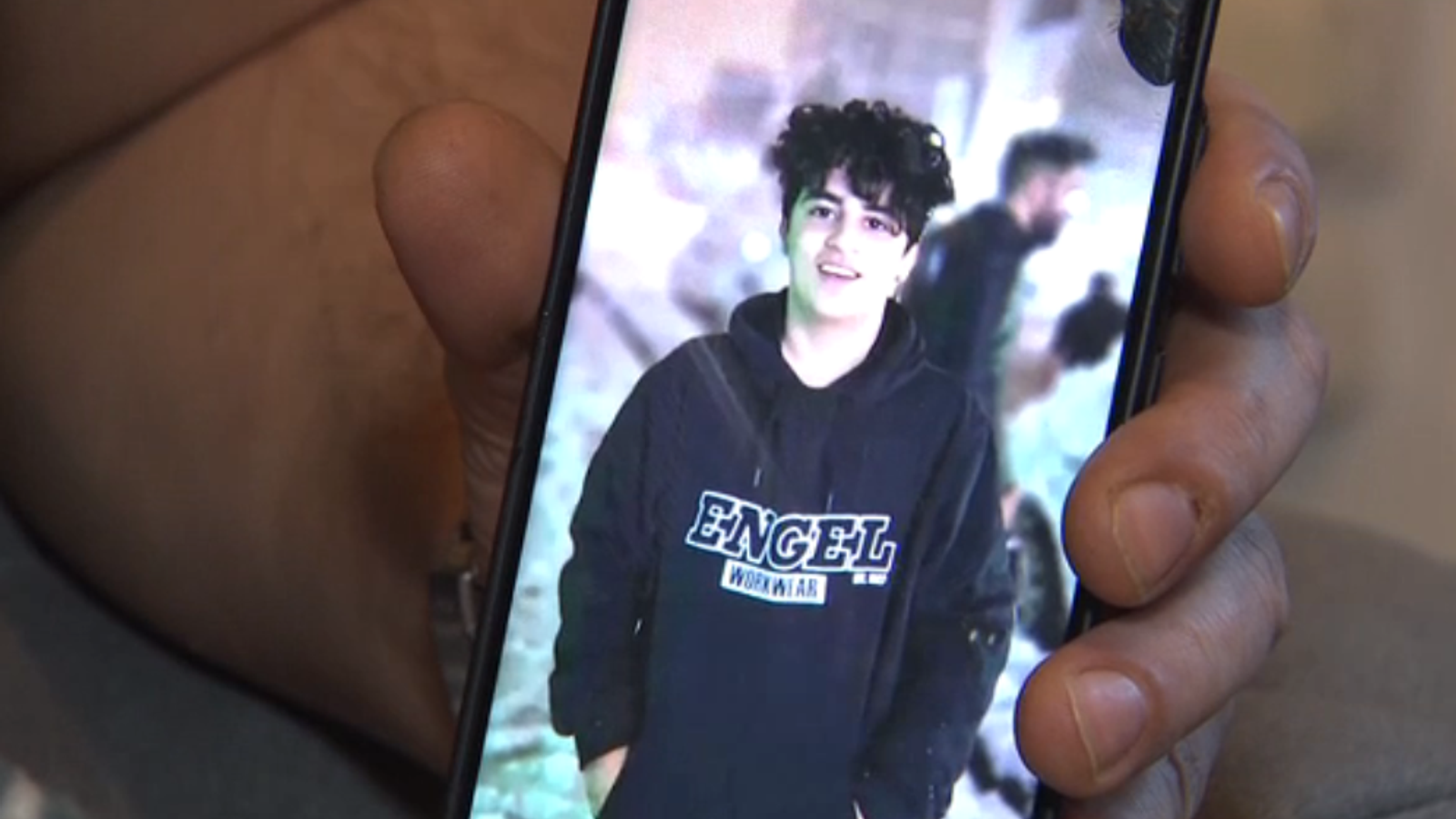
The family of Amir Ali Haydari, a 17-year-old shot during protests in Kermanshah, has recounted harrowing details surrounding his death. According to his cousin, Amir was shot in the heart, and as he lay dying, he endured additional brutal assaults. The family’s anguish was compounded when authorities reportedly issued a misleading death certificate alleging he fell from a height.
Witnesses have described plainclothes officers intimidating protesters and deploying firearms against demonstrators. Many of Amir’s peers are also reported to have suffered grave injuries amidst the chaos, with family members highlighting the significant number of young lives lost.
Casualty Estimates and Public Outcry
The sheer volume of fatalities from these protests has overwhelmed local morgues, with reports stating that authorities requisitioned city buses to transport the deceased to hospitals. In one account, a family member mentioned encountering a staggering number of corpses upon retrieving Amir’s body.
The situation serves as a reminder of the lengths to which the Iranian regime will go to maintain control, employing lethal force against its own citizens in a desperate effort to suppress dissent. For families like Amir Ali Haydari’s, the loss is profound and the pain unbearable, culminating in a crisis that resonates far beyond Iran’s borders.
Background
The unrest in Iran has been fuelled by decades of political repression, economic challenges, and widespread dissatisfaction with the clerical regime. Recent protests have highlighted the public’s desire for change and accountability, drawing attention from international observers. As violence escalates, the world watches closely to understand the implications for both Iranian society and global stability.
The ongoing crackdown raises pressing questions regarding human rights violations and the future of civil society in Iran, a matter of concern that resonates with human rights advocates and governments around the world.
Source: Original Article