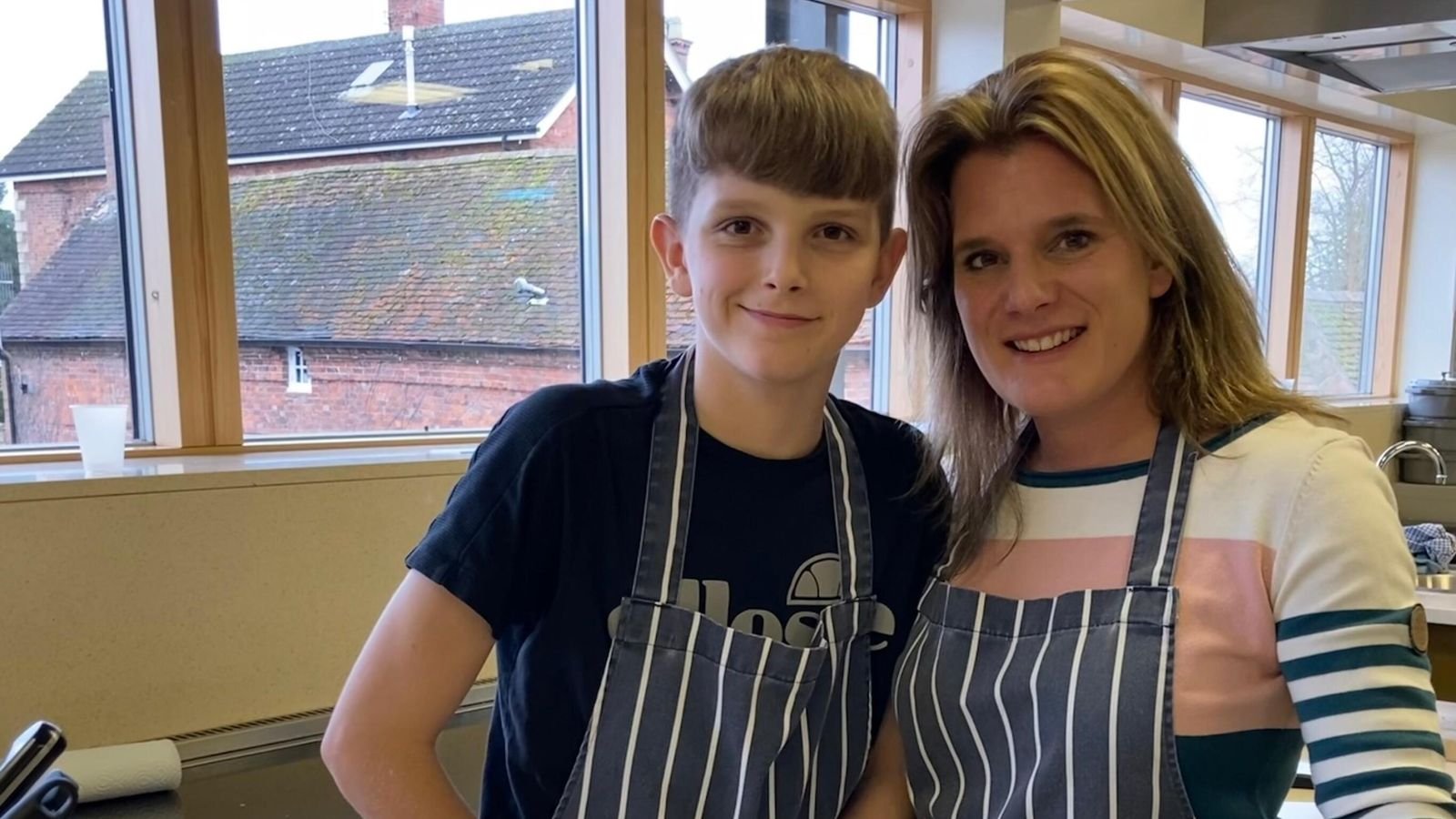
Mother Campaigns for Legislative Change Following Son’s Tragic Death
Following the tragic passing of her 14-year-old son, Ellen Roome is advocating for a change in UK legislation regarding the preservation of social media data. The upcoming discussion of “Jools’ Law” in the House of Lords aims to establish new guidelines for handling digital records in cases of youth suicide.
The Heartbreaking Story of Jools Sweeney
Ellen Roome’s life altered irrevocably when her son, Jools, took his own life. Desperate for answers, she attended the inquest, expecting clarity on why her son was no longer with her. “After finding him, we had hoped for explanations about his state of mind and what may have contributed to his actions,” Ms Roome shared in a previous interview. However, one crucial aspect had been overlooked: Jools’ social media usage. After requesting his TikTok data to investigate possible harmful influences, she was informed that the data was no longer available due to its deletion under data protection regulations.
The Need for Change: Jools’ Law
Currently, when investigating the circumstances surrounding a child’s death, authorities may not prioritise digital evidence. Ellen’s aim with Jools’ Law is to ensure that a child’s online data is preserved automatically within five days following their death. This legislation would establish standard procedures for investigators to follow, ensuring that digital evidence is included in their inquiries. Key proposals of Jools’ Law include:
- The automatic preservation of a child’s digital data within five days of their passing.
- A standardised investigative protocol that incorporates digital evidence.
- Mandating social media companies to safeguard and store data for investigative purposes.
Voices of Other Bereaved Parents
The need for such legislative change is echoed by other parents who have experienced similar tragedies. For instance, Lisa Kenevan discovered troubling evidence suggesting a link between her son Isaac’s death and viral online challenges. Similarly, Liam Walsh, who lost his daughter, expressed frustration over the lack of clarity concerning her death.
Together with Ellen Roome and other grieving parents, they are pursuing legal action against TikTok in the United States, seeking answers as to why their children lost their lives.
Looking Forward
Jools’ Law represents a significant step towards enhancing the support for bereaved families by shifting responsibility away from them in the wake of unimaginable loss. As Ellen Roome poignantly explained, during such traumatic times, it is unreasonable to expect parents to navigate the complexities of data preservation. “When you are at your lowest, the least thing on your mind is the urgency of securing data,” she remarked.
Response from TikTok
In light of the ongoing lawsuit, TikTok has expressed its empathy for the families affected, while defending its content moderation policies, asserting their commitment to removing posts that encourage dangerous activities.
Background
The context surrounding Jools’ Law extends beyond personal loss to highlight a broader societal issue regarding youth mental health and the responsibilities of digital platforms. As social media becomes increasingly integral to the lives of young people, understanding its impact has never been more critical.
For anyone struggling with emotional distress or suicidal thoughts, support is available through the Samaritans, who can be reached at 116 123 in the UK.
Source: Original Article