






















Thailand’s Election Results: Bhumjaithai Party Leads as Coalition Talks Loom
In a significant turn of events, the Bhumjaithai party has emerged as the frontrunner in Thailand’s general election, with preliminary results indicating that the conservative party has secured approximately 194 out of the 500 seats in the House of Representatives. The People’s Party, which was initially expected to dominate, trails with around 116 seats, while the populist Pheu Thai party follows with around 76.
Implications of the Results
To elect a prime minister, a party must achieve at least 251 seats in the House. With Bhumjaithai falling short of this threshold, it will be necessary for them to form a coalition with other parties. This scenario sets the stage for potential negotiations and alliances among various political factions in Thailand.
Leadership Responses
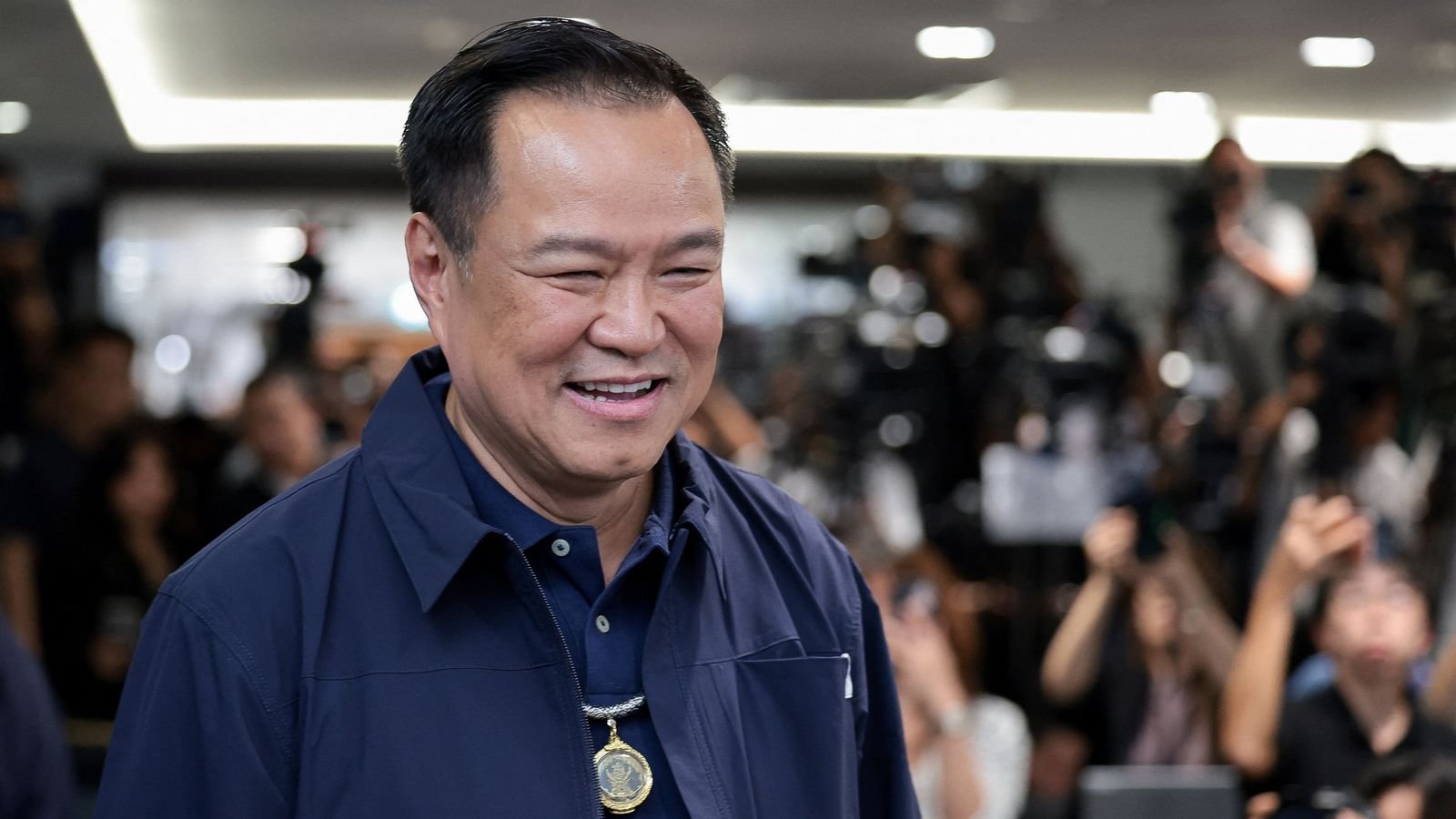
Prime Minister Anutin Charnvirakul, leader of Bhumjaithai, expressed gratitude to voters for their support and reassured them that his party is committed to working diligently for the betterment of the nation. He acknowledged the unexpected level of support received and pledged to repay voters through dedicated service.
In contrast, Natthaphong Ruengpanyawut, the leader of the People’s Party, conceded that his party would not be securing the top position and conveyed respect for the electoral process. He stated that his party would not attempt to challenge for government formation against Bhumjaithai and noted a commitment to allow the winning party to proceed with forming the government.
How the Electoral System Works
The House of Representatives consists of 500 members, divided into 400 representatives elected directly by geographic constituencies, while the remaining 100 are selected from party list nominees based on each party’s proportional share of the votes. This electoral framework allows for a comprehensive representation but also means that the total seat allocation is subject to change until all votes are counted.
Context of the Election
This election comes after Prime Minister Anutin dissolved parliament in December last year, amidst pressures from a potential no-confidence vote. His leadership had previously wavered due to challenges such as natural disasters and financial controversies, but recent border clashes with Cambodia have allowed him to re-establish his image as a strong leader focused on national security.
As coalition talks advance, the international community, including observers in the UK, will be keenly monitoring developments in Thailand, especially in a region where political stability remains paramount for economic growth and diplomatic relations.
Source: Original Article






