






















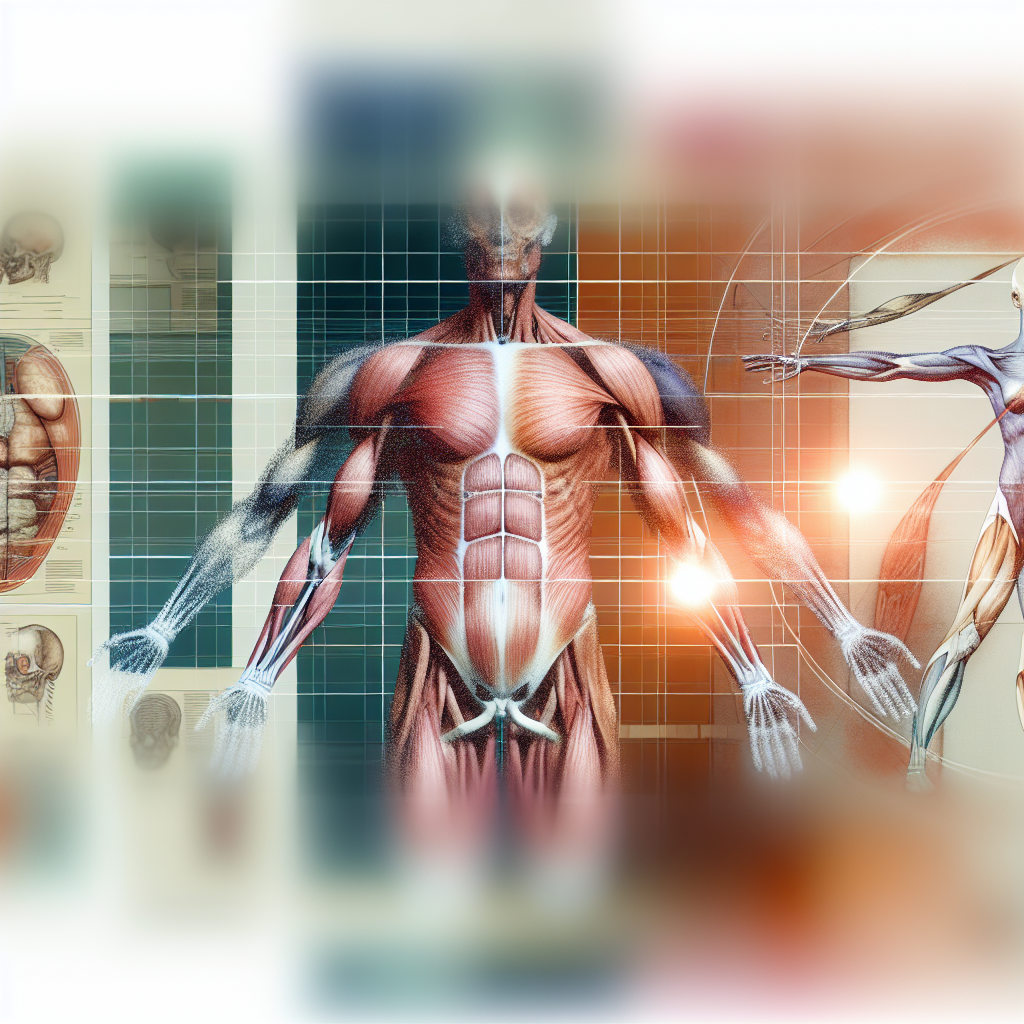
The human body is an extraordinary machine that relies on the coordinated actions of bones and muscles to enable movement. Understanding the anatomy of motion helps in appreciating how we walk, run, jump, and perform various physical activities. This article outlines the role of muscles and bones in human locomotion.
Components of Human Locomotion
Two primary components are crucial for movement: bones and muscles. Together, they form the musculoskeletal system, which provides structure, support, and the ability to move.
The Role of Bones
Bones serve as the framework of the body and have several important functions in locomotion:
- Support: Bones provide a rigid structure that supports the body’s shape and protects vital organs.
- Leverage: The arrangement of bones allows muscles to act as levers. When muscles contract, they pull on bones, creating movement.
- Joint Formation: Joints, which are formed where two or more bones meet, allow for flexibility and a range of motion.
The Role of Muscles
Muscles are responsible for the movement of bones and, subsequently, our entire body. Here are their key functions:
- Contraction: Muscles contract to create force, which pulls on bones, resulting in movement.
- Types of Muscles: The human body contains three types of muscles: skeletal, smooth, and cardiac. Skeletal muscles are the primary muscles involved in voluntary movement, while smooth and cardiac muscles manage involuntary functions.
- Coordination: Groups of muscles work together in coordinated patterns to perform complex movements efficiently.
The Interaction Between Bones and Muscles
The collaboration between bones and muscles is essential for locomotion. When a muscle contracts, it pulls on the bone it is attached to, creating movement at the joint. This interaction can be further understood through the following concepts:
- Antagonistic Pairs: Muscles often work in pairs. While one muscle contracts (agonist), the other relaxes (antagonist) to allow for smooth movement.
- Range of Motion: The flexibility of joints and the strength of surrounding muscles significantly influence the range of motion. Greater flexibility can enhance movement efficiency.
Importance of Maintaining Musculoskeletal Health
To ensure effective movement throughout life, maintaining the health of both muscles and bones is crucial. General wellness practices include:
- Regular Exercise: Engaging in physical activities helps strengthen muscles and bones.
- Balanced Nutrition: A diet rich in calcium, vitamin D, and protein supports bone and muscle health.
- Proper Posture: Maintaining good posture can reduce strain on muscles and joints, promoting better movement.
In conclusion, understanding the anatomy of motion reveals the intricate partnership between muscles and bones in facilitating human locomotion. Appreciating this relationship can inspire individuals to adopt healthier lifestyle choices that promote musculoskeletal well-being.






