






















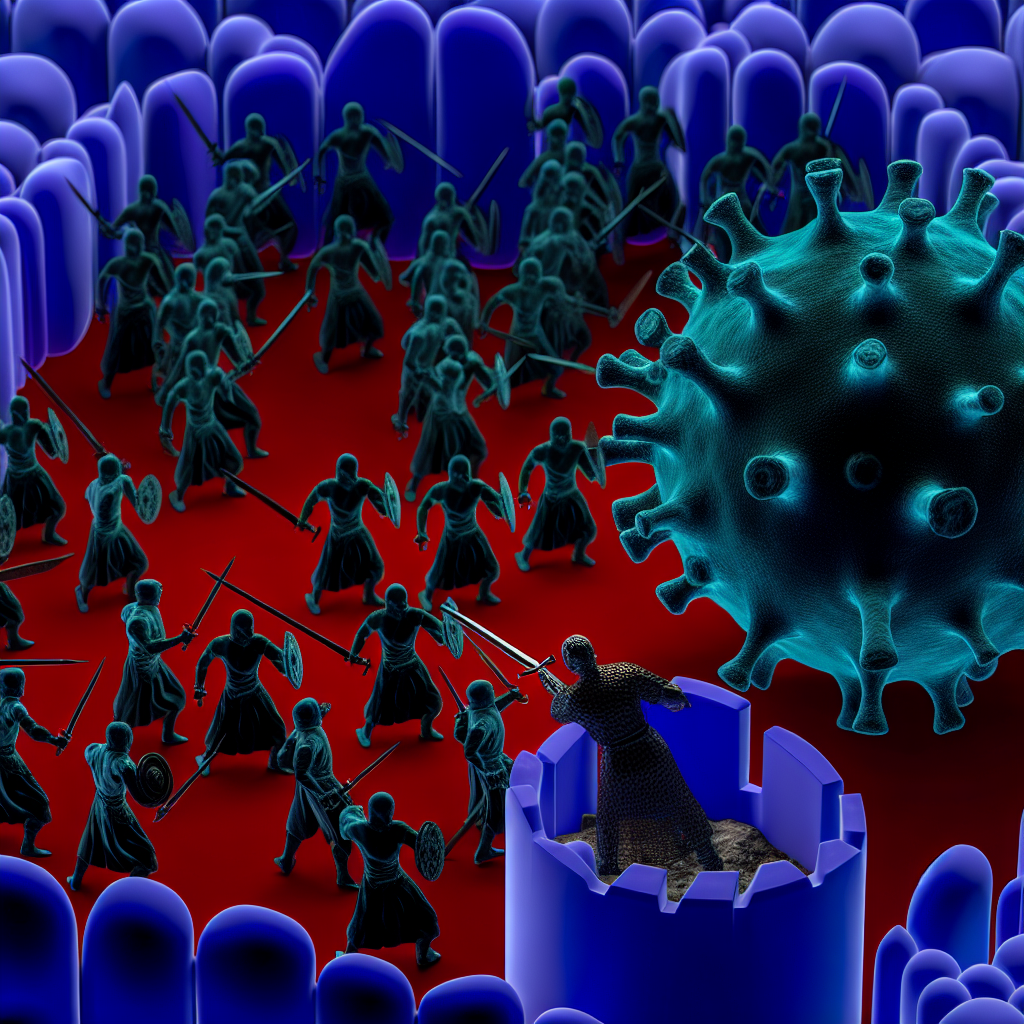
Understanding the Immune System
The immune system is the body’s defense mechanism against infections and diseases. It is a complex network of cells, tissues, and organs that work together to protect the body from harmful pathogens, including bacteria, viruses, fungi, and parasites.
Key Components of the Immune System
The immune system consists of several key components, each playing an important role in defending the body:
- White Blood Cells: These cells, also known as leukocytes, are essential for identifying and eliminating pathogens. Different types of white blood cells have specific functions, including attacking invaders directly or signaling other immune responses.
- Lymphatic System: This system includes lymph nodes, lymph vessels, and lymph fluid. It helps transport white blood cells throughout the body and filters out harmful substances.
- Spleen: The spleen acts as a blood filter, removing old or damaged blood cells and producing lymphocytes, which are critical for immune responses.
- Thymus: Located behind the breastbone, the thymus produces T-cells, which are vital for adaptive immunity, helping the body recognize and remember pathogens.
- Bone Marrow: Bone marrow produces both white blood cells and red blood cells, serving as an essential site for immune cell development.
How the Immune System Responds to Infections
The immune response typically occurs in two stages: the innate immune response and the adaptive immune response.
Innate Immune Response
The innate immune response is the body’s first line of defense. It includes physical barriers (like the skin and mucous membranes) and non-specific immune responses:
- Physical Barriers: The skin and mucous membranes block many pathogens from entering the body.
- Inflammation: This response occurs when tissue is injured or infected, causing redness and swelling, which helps focus immune activity at the infection site.
- Phagocytes: These cells, such as macrophages, engulf and destroy pathogens that breach physical barriers.
Adaptive Immune Response
The adaptive immune response is more specialized and takes longer to activate. It involves:
- B-cells: These cells produce antibodies that specifically target pathogens for destruction.
- T-cells: Helper T-cells activate other immune cells, while cytotoxic T-cells kill infected cells directly.
- Memory Cells: After an infection, some B-cells and T-cells become memory cells that enable quicker responses to future infections by the same pathogen.
Maintaining a Healthy Immune System
Supporting the immune system involves various lifestyle practices:
- Balanced Diet: Consuming a variety of fruits, vegetables, whole grains, and proteins can provide essential nutrients that support immune function.
- Regular Exercise: Engaging in regular physical activity can enhance immune health.
- Adequate Sleep: Sleep is vital for immune regulation; sufficient rest helps the body recover and function optimally.
- Hydration: Staying well-hydrated aids bodily functions and helps maintain the immune system.
- Stress Management: Chronic stress can weaken the immune response, so finding effective ways to manage stress is important.
Conclusion
The immune system is a remarkable and complex network that plays a crucial role in protecting the body from infections. Understanding its components and functions can help individuals take steps to support their immune health and overall wellness.






