






















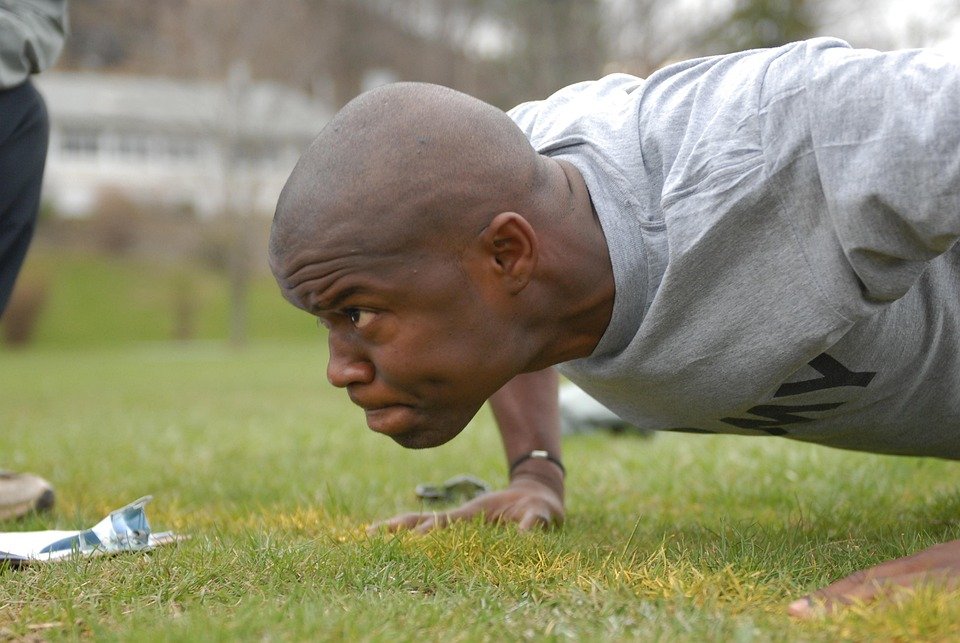
The Connection Between Physical Activity and Enhanced Quality of Life
Physical activity is an essential component of a healthy lifestyle. Engaging in regular movement can lead to numerous benefits that enhance overall quality of life. It is widely recognized that staying active contributes positively to both physical and mental well-being.
Benefits of Regular Physical Activity
Incorporating physical activity into daily routines offers various advantages. Below are some key benefits:
- Improved Physical Health: Regular activity strengthens the heart, enhances lung capacity, and improves overall bodily functions.
- Weight Management: Physical activity helps maintain a healthy weight, which reduces the risk of chronic diseases.
- Enhanced Mental Well-Being: Exercise is known to release endorphins, which can elevate mood and reduce feelings of anxiety and depression.
- Better Sleep: Engaging in physical activity can improve sleep quality by helping individuals fall asleep faster and sleep more soundly.
- Increased Energy Levels: Regular activity can boost energy by improving muscle strength and endurance.
Social Benefits
Physical activity can also foster social connections. Participating in group activities, such as sports or fitness classes, provides opportunities to meet new people and build relationships. These social interactions contribute to a sense of community and belonging.
Encouraging Lifelong Habits
Establishing a routine that includes physical activity from a young age promotes lifelong habits. When individuals prioritize movement, they demonstrate the importance of health to future generations. This foundation can lead to healthier lifestyle choices throughout life.
Types of Physical Activity
There are various forms of physical activity that can be included in daily life. It is beneficial to choose activities that are enjoyable and sustainable. Some common types of physical activity include:
- Aerobic Exercises: Activities like walking, running, cycling, and swimming enhance cardiovascular health.
- Strength Training: Weight lifting and resistance exercises improve muscle strength and function.
- Flexibility Exercises: Yoga and stretching help maintain a full range of motion and reduce injury risk.
- Balance Activities: Tai chi and similar exercises promote stability and prevent falls, especially in older adults.
Conclusion
In summary, regular physical activity is vital for enhancing quality of life. It supports physical and mental health, fosters social connections, and encourages lifelong wellness practices. Finding enjoyment in movement not only contributes to individual health but also promotes a more active and engaged community.






