






















The Birth of Cinematic Magic
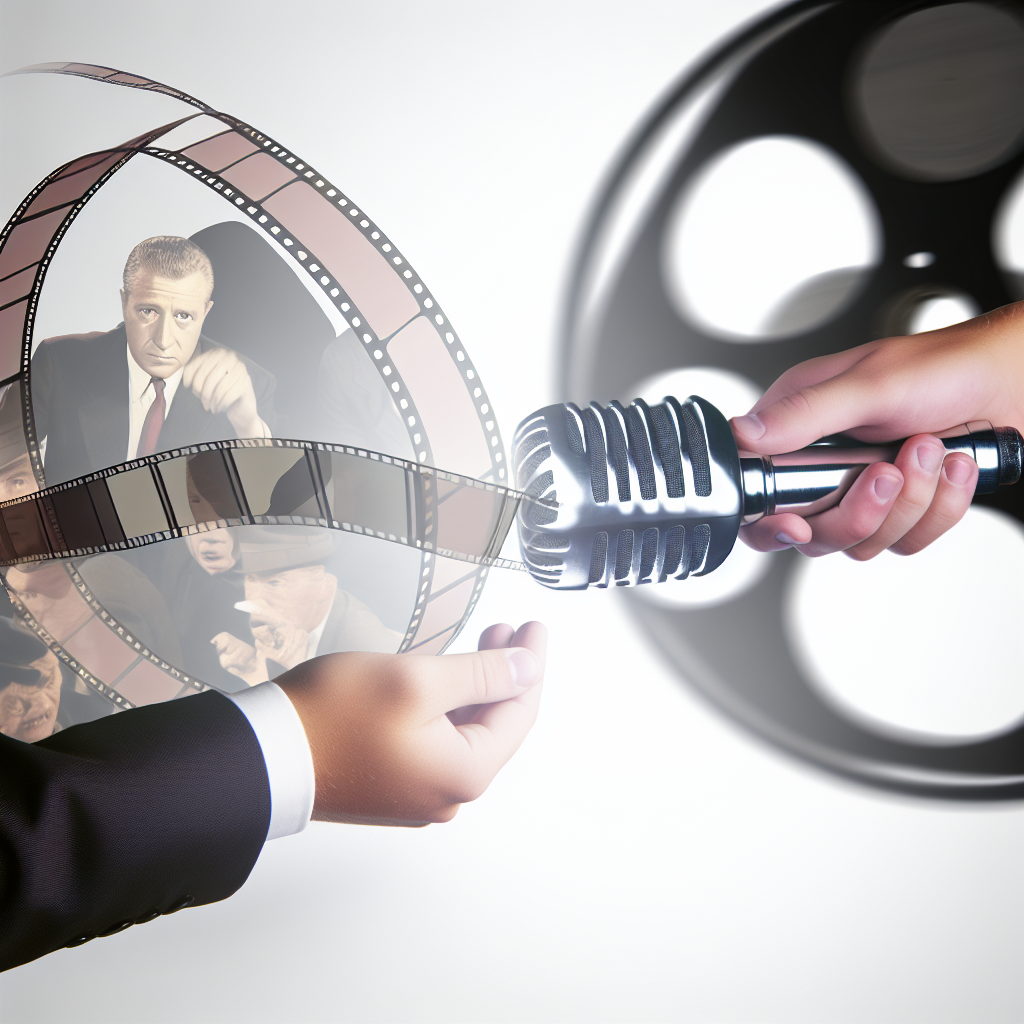
The landscape of visual storytelling underwent a profound transformation during the early 20th century, particularly from the era of silent films to the advent of sound in cinema. This period not only showcased the artistry of filmmakers but also introduced groundbreaking techniques that would shape the future of film.
The Silent Film Era
Silent films dominated the cinema scene from the late 1890s until the late 1920s. Despite the absence of synchronized sound, filmmakers developed innovative methods to captivate audiences. Pioneering directors such as Georges Méliès and D.W. Griffith were instrumental in pushing the boundaries of visual effects.
- Georges Méliès: Known for his fantastical storytelling, Méliès’s film “A Trip to the Moon” (1902) was a landmark in visual effects, incorporating techniques like stop-motion and multiple exposures.
- D.W. Griffith: Often credited with pioneering narrative cinema, Griffith’s work on “The Birth of a Nation” (1915) employed innovative editing and camera angles, laying the groundwork for modern filmmaking.
Techniques in the Silent Era
During the silent era, filmmakers utilized several techniques to create compelling narratives despite the lack of sound:
- Intertitles: Text cards that conveyed dialogue or narrative information complemented the visual storytelling.
- Practical Effects: Filmmakers often relied on stagecraft, including miniatures and elaborate sets, to create immersive worlds.
- Camera Movement: The introduction of tracking shots and dolly movements added dynamism to storytelling, enhancing viewer engagement.
The Transition to Sound
The introduction of sound in the late 1920s revolutionized filmmaking. The first synchronized sound feature film, “The Jazz Singer” (1927), marked a significant turn in cinematic history. However, the transition posed its own set of challenges for filmmakers.
Impact on Visual Effects
As sound became integral to storytelling, visual effects continued to evolve. The techniques developed during the silent film era were adapted to complement the new auditory element:
- Complex Soundscapes: Filmmakers began layering sound effects, dialogue, and music, enhancing visual stories.
- Integration of Effects: Techniques such as rear projection became popular, allowing filmmakers to combine live action with pre-recorded backgrounds, as seen in films like “King Kong” (1933).
The Rise of Special Effects
The 1930s and 1940s saw the rise of special effects, with notable filmmakers like special effects wizard Willis O’Brien and industrial designer and animator Ray Harryhausen on the forefront. Their creativity in creating visual effects for monsters laid the blueprint for techniques that are still in use today.
Conclusion
The journey from silent films to talking pictures represents a significant chapter in film history, highlighting the ingenuity and enduring spirit of filmmakers in the face of ever-evolving technology. The exploration of visual effects during this period not only enhanced storytelling but also paved the way for the cinematic masterpieces we enjoy in modern cinema.






