






















Introduction
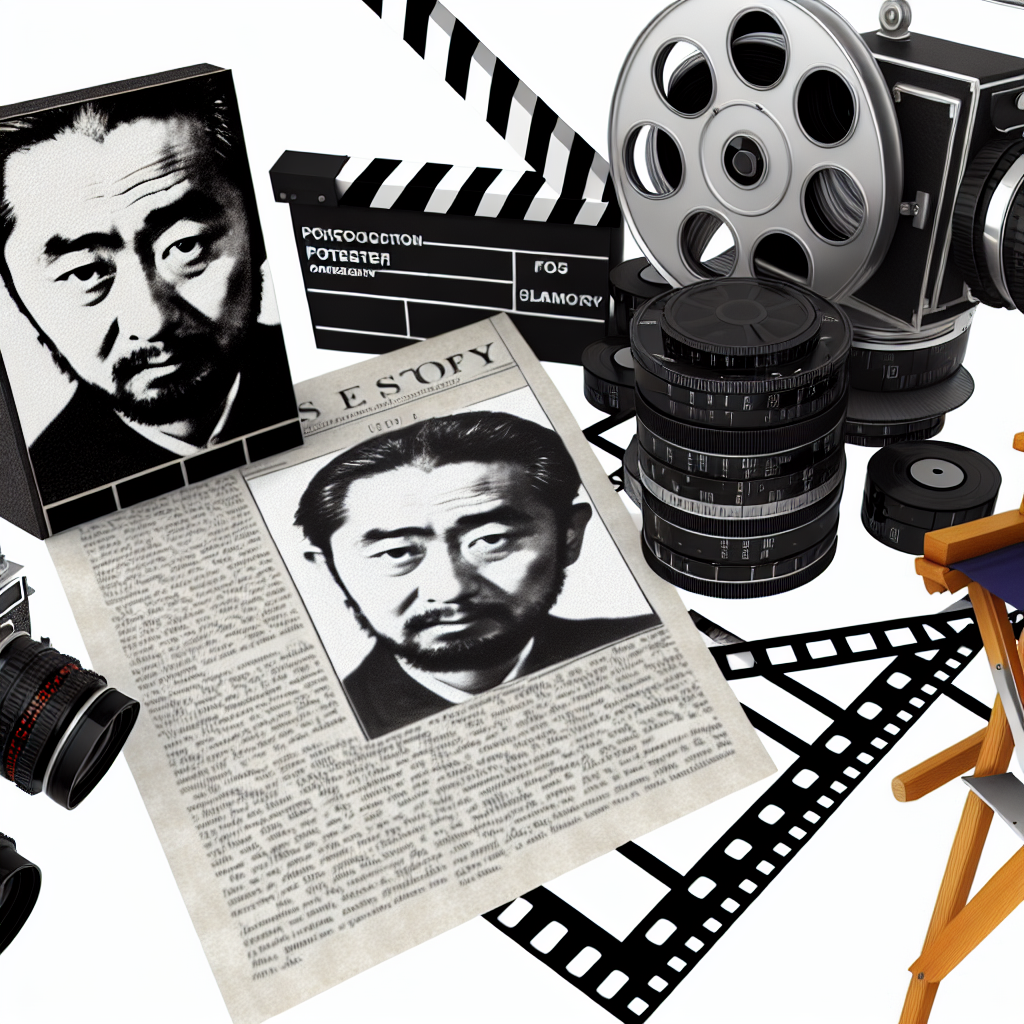
Akira Kurosawa is widely regarded as one of the most influential filmmakers in cinema history. His innovative narrative techniques and striking visual style have not only shaped Japanese cinema but have left an indelible mark on filmmakers around the world. Kurosawa’s ability to blend Western storytelling and Eastern themes has inspired generations and led to a profound impact on modern filmmaking.
Narrative Structure and Character Development
Kurosawa’s films are celebrated for their complex narratives and deep character development. He often employed a multi-perspective storytelling approach, which allows audiences to see events from different angles. This is particularly evident in films like Rashomon (1950), where the truth becomes subjective, and each character’s viewpoint contributes to the overall narrative. This technique has influenced modern filmmakers, encouraging them to explore non-linear narratives and character complexities.
Influence on Genre and Style
Kurosawa’s impact extends beyond narrative techniques; his work has significantly influenced various genres, especially the action and samurai films. His film Seven Samurai (1954) introduced the idea of assembling a group of characters with unique skills to achieve a common goal. This trope has permeated numerous films in contemporary action cinema, leading to the creation of ensembles in films like The Avengers (2012) and beyond.
Visual Composition and Cinematic Techniques
Kurosawa was not only a master of storytelling but also an innovator in visual composition. His use of weather, particularly rain and wind, to amplify emotions has inspired many directors. His collaboration with cinematographer Asakazu Nakai brought about techniques such as deep focus and dynamic camera movements, which later became standard practices in filmmaking. Directors such as George Lucas, Francis Ford Coppola, and Martin Scorsese have acknowledged Kurosawa’s influence on their visual storytelling.
Collaboration and Cross-Cultural Influence
Kurosawa’s desire to collaborate with international filmmakers helped bridge the gap between Eastern and Western cinema. His work had a profound influence on Hollywood, particularly in the 1960s and 1970s. Films such as The Magnificent Seven (1960) are direct adaptations of Kurosawa’s works. His thematic exploration of honor, morality, and society resonates in various global cinemas, making his films timeless.
Legacy and Continued Relevance
The legacy of Akira Kurosawa persists in contemporary cinema. Filmmakers like Quentin Tarantino have openly cited their admiration for Kurosawa, often incorporating elements from his films into their own. Additionally, the themes of existential conflict and the human condition that Kurosawa explored continue to be relevant, allowing new generations to find meaning in his work.
Conclusion
Akira Kurosawa’s contributions to cinema are immeasurable. His innovative approach to storytelling, character development, and visual aesthetics have inspired countless filmmakers across various genres. As cinema continues to evolve, the foundational techniques and themes established by Kurosawa remain essential to understanding the art of filmmaking. His work not only enriched Japanese cinema but also transformed the global film landscape, leaving an everlasting influence on both filmmakers and audiences alike.






