






















The Impact of War on Documentary Filmmaking
World War II was not only a significant event in global history but also a transformative period for documentary filmmaking. The war impacted narrative techniques, themes, and the overall perception of documentaries. As nations grappled with the realities of conflict, filmmakers adapted their approaches, leading to innovations that would shape the genre for decades to come.
Shifts in Documentary Techniques
Prior to World War II, documentaries often relied on a more traditional, observational style. However, the war catalyzed the development of new techniques that enhanced both storytelling and viewer engagement. Some notable changes included:
- Direct Cinema: This technique emerged as filmmakers sought to capture authentic moments without the interference of scripted dialogue or heavy narration, allowing the audience to witness the unfolding events.
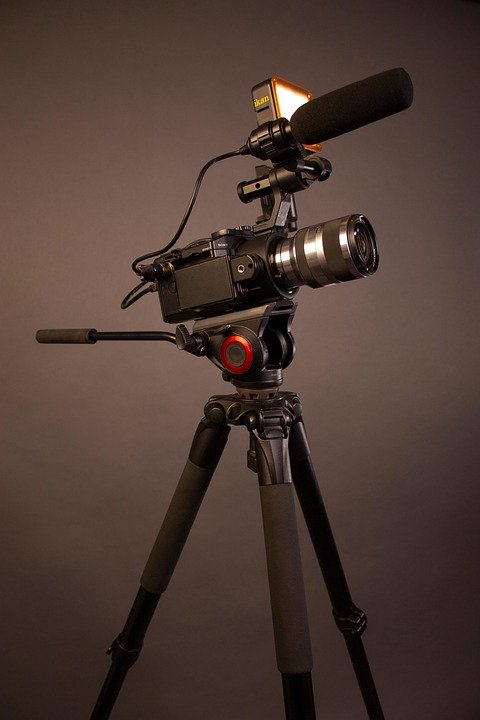
- Cinematographic Innovations: The war spurred advancements in camera technology, enabling filmmakers to shoot in a variety of conditions, from battlefields to refugee camps. Lightweight cameras made it easier to document in real-time.
- Use of Archival Footage: Documentaries began to integrate archival materials, including newsreels and photographs from the war, creating a more immersive experience for viewers.
Thematic Developments
The themes explored in war documentaries underwent significant evolution during and after World War II. Filmmakers began to address complex issues such as:
- The Human Cost of War: Documentaries began to highlight personal stories and the experiences of individuals affected by combat, shifting focus from glorified portrayals of war to its tragic consequences.
- Propaganda vs. Reality: Some filmmakers critiqued the propagandistic narratives that surrounded the war, striving to present a more nuanced view of conflict, including the lives of soldiers and civilians.
- The Role of Women: With many men enlisted, women took on more prominent roles both at home and in the military. Documentaries began to document their contributions to the war effort, challenging traditional gender roles.
Influential Figures in Documentary Filmmaking
Several key filmmakers made lasting contributions to the genre during and post-World War II:
- John Grierson: Often regarded as the father of British documentary, Grierson’s work set the foundation for government-funded documentaries that informed and inspired the public.
- Ruth Cowan: A pioneer of newsreel filmmaking, Cowan captured critical moments in wartime settings, working to share the truth about military endeavors.
- Marcel Ophüls: Known for his film “The Sorrow and the Pity,” Ophüls investigated the complexities of moral choices made during the war, influencing the ethical landscape of documentary storytelling.
Long-lasting Legacy
The documentary techniques and thematic explorations initiated during World War II laid the groundwork for contemporary documentaries. These innovations allowed for a deeper exploration of human experience, emerging as crucial components in revealing the multifaceted nature of conflict and society. Today, the influence of that period is evident in many nonfiction films that address social justice, individual rights, and the human condition.
In summary, World War II not only altered the course of history but also redefined the landscape of documentary filmmaking. The techniques developed and themes explored during this time continue to resonate within the genre, showcasing the enduring power of documentaries to inform, inspire, and provoke critical thought.






