






















Introduction
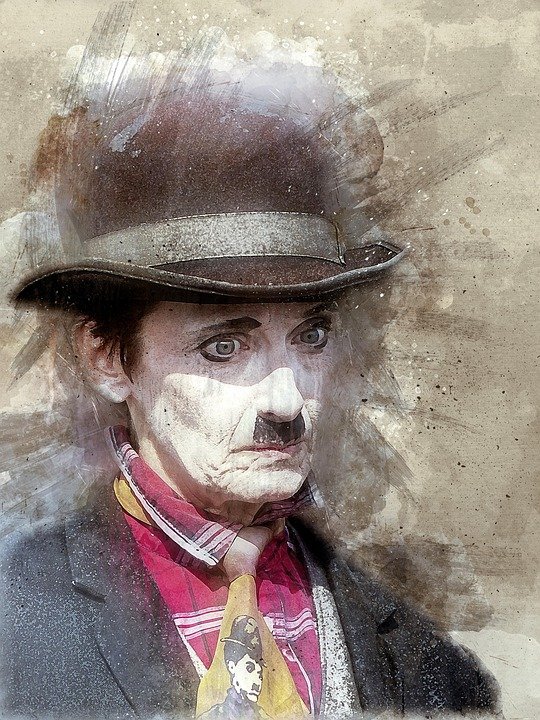
Comedy has always had the unique ability to shine a light on the human condition, frequently serving as a vehicle for social commentary. Charlie Chaplin, one of cinema’s pioneering figures, skillfully blended humor with poignant reflections on societal issues. His work remains relevant today, captivating audiences with its universal themes and enduring charm.
The Silent Era and the Birth of Social Commentary
The dawn of cinema in the early 20th century was characterized by silent films that relied heavily on physical comedy. Chaplin emerged as a key player during this era, using his iconic character, the Tramp, to navigate complex social landscapes. His films addressed pressing issues such as poverty, class struggle, and human suffering, all delivered with a blend of humor and tragedy.
Influences from European Cinema
Chaplin’s style was heavily influenced by European cinema, particularly the French and German silent film movements. Directors like Max Linder and films such as “The Cabinet of Dr. Caligari” inspired a visual storytelling technique that combined absurdity with reality. Chaplin masterfully adopted and adapted these influences to create his signature comedic style while ensuring a critical lens on society.
Iconic Works and Their Themes
Throughout his career, Chaplin produced several landmark films that showcased both his comedic talent and his sensitivity to social issues:
- The Kid (1921): This film touches on the complexities of parenthood and societal neglect, portrayed through a humorously tragic lens.
- City Lights (1931): A commentary on wealth disparity and the human desire for love, where Chaplin’s character navigates a world indifferent to the suffering of the poor.
- Modern Times (1936): Often recognized as a critique of industrialization and dehumanization, the film portrays the struggles of the working class against the backdrop of machine-driven labor.
- The Great Dictator (1940): A bold satire of fascism, this film saw Chaplin directly addressing contemporary political issues and calling for humanity and compassion worldwide.
The Mechanism of Comedy as Commentary
Chaplin understood that comedy served as an effective vehicle for discussing serious topics. His physical comedy was not merely about eliciting laughter; it was also a means to provoke thought. By juxtaposing humorous situations with grave societal conditions, Chaplin enabled audiences to engage with difficult themes in a palatable way.
Legacy and Influence on Future Generations
The impact of Chaplin’s work can be observed in subsequent generations of filmmakers and comedians. His style inspired a broad range of artists, from the surrealist humor of Monty Python to contemporary directors like Jim Jarmusch and the Coen Brothers. The tradition of using comedy as a lens for social critique persists in modern cinema, as seen in films tackling issues like injustice, inequality, and identity politics.
Conclusion
Charlie Chaplin’s ability to intertwine comedy and social commentary is a testament to his genius as a filmmaker. Even decades after his films first graced the screen, they continue to resonate, reminding us of the power of laughter and the importance of critique in the face of societal challenges. His legacy serves as an enduring inspiration, encouraging future creators to wield humor as a tool for reflection and change.






