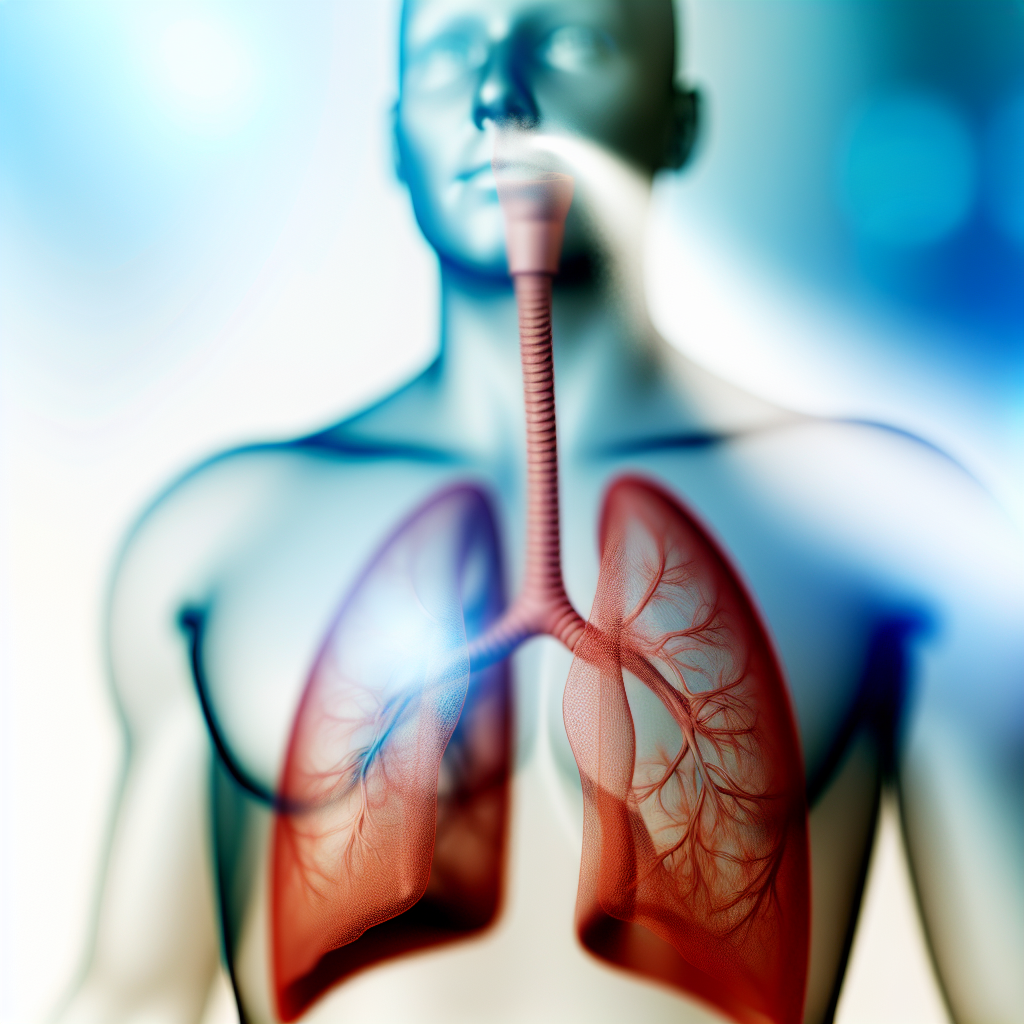
The human respiratory system plays a crucial role in providing oxygen to the body and removing carbon dioxide, a waste product of metabolism. Understanding this system helps us appreciate the importance of breathing and the overall function of our bodies.
Structure of the Respiratory System
The respiratory system comprises several key structures that work together to facilitate the exchange of gases. These include:
- Nose and Nasal Cavity: This is the main entry point for air. The nasal cavity warms, moistens, and filters air as it is inhaled.
- Pharynx: Commonly known as the throat, the pharynx connects the nasal cavity to the larynx and esophagus.
- Larynx: Also known as the voice box, the larynx is located below the pharynx and helps with voice production while also protecting the trachea against food aspiration.
- Trachea: The trachea, or windpipe, is a tube that carries air from the larynx to the bronchi.
- Bronchi: The trachea divides into two bronchi that lead to each lung. These bronchi branch further into smaller bronchioles within the lungs.
- Lungs: The lungs are the main organs of respiration, where gas exchange occurs. They contain millions of tiny air sacs called alveoli.
- Alveoli: These microscopic sacs are where oxygen enters the bloodstream and carbon dioxide is expelled. They are surrounded by capillaries, which facilitate gas exchange.
How Breathing Works
The process of breathing, or ventilation, involves two main phases: inhalation and exhalation.
- Inhalation: During inhalation, the diaphragm, a dome-shaped muscle at the base of the lungs, contracts and moves downward. This creates a vacuum that allows air to flow into the lungs. The intercostal muscles, located between the ribs, also assist in expanding the chest cavity.
- Exhalation: Exhalation is typically a passive process. The diaphragm relaxes and moves back up into the chest cavity, pushing air out of the lungs. The intercostal muscles also relax, which decreases the size of the chest cavity, helping to expel air.
Gas Exchange
Gas exchange occurs in the alveoli, where oxygen from the inhaled air passes into the bloodstream through the walls of the alveoli and capillaries. At the same time, carbon dioxide from the blood is transferred to the alveoli to be exhaled. This process is essential for maintaining the body’s oxygen needs and removing the byproduct of metabolism.
The Role of the Respiratory System in Overall Health
The respiratory system is interconnected with other bodily systems. Here are some essential points regarding its function:
- Oxygen Supply: Oxygen is vital for cellular processes that produce energy. The respiratory system ensures that the body receives sufficient oxygen.
- Carbon Dioxide Removal: Efficient removal of carbon dioxide is crucial for maintaining the body’s acid-base balance, promoting overall health.
- Defense Mechanism: The respiratory system contains mucous membranes and cilia that help trap and expel foreign particles, preventing infections and maintaining lung health.
Conclusion
Understanding how the respiratory system functions highlights its importance in sustaining life. Proper respiratory function is essential to overall health and wellness. Encouraging practices that support healthy breathing can contribute to a better quality of life.