






















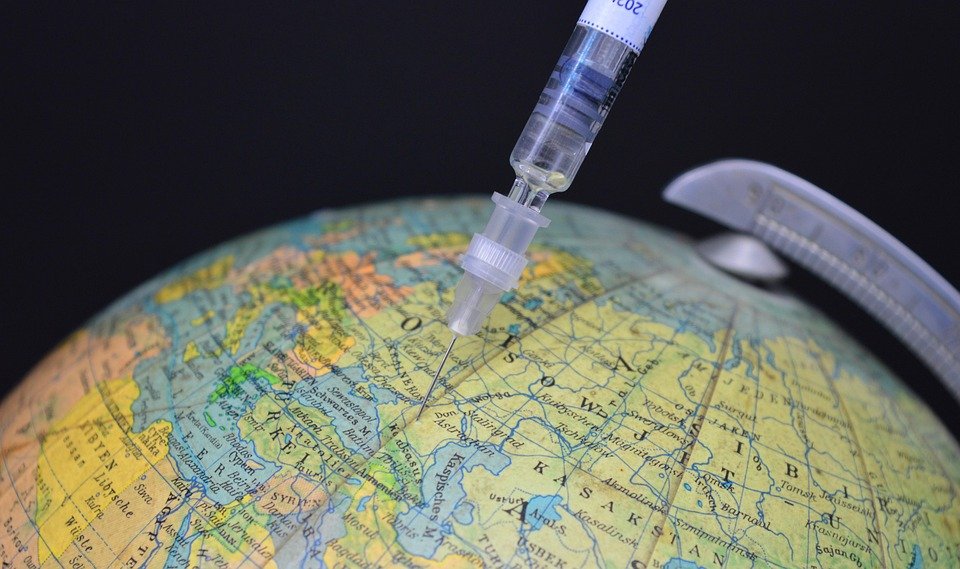
The Link Between Vaccines and Public Health
Vaccines are a crucial aspect of public health, playing an essential role in preventing the spread of infectious diseases. By boosting individual immunity, vaccines contribute to the overall health of communities and societies.
How Vaccines Work
Vaccines function by stimulating the body’s immune system to recognize and combat pathogens, such as viruses and bacteria. When a person is vaccinated, the immune system is trained to identify specific pathogens without causing the disease itself.
Benefits of Vaccination
The benefits of vaccination extend beyond individual protection. Here are a few key benefits:
- Prevention of Disease: Vaccines help reduce the incidence of infectious diseases, leading to fewer illnesses and related complications.
- Herd Immunity: When a significant portion of the population is vaccinated, herd immunity is achieved, protecting those who cannot be vaccinated due to medical reasons.
- Economic Benefits: Reducing the spread of disease lowers healthcare costs associated with treatment and hospitalizations.
- Increased Life Expectancy: Widespread vaccination programs have been linked to improved overall life expectancy and quality of life.
Community Impact
Vaccination is not just a personal choice; it greatly impacts community health. High vaccination rates can lead to:
- Reduced Outbreaks: Immunization prevents outbreaks of diseases that can affect the community at large.
- Protection of Vulnerable Populations: Older adults, infants, and individuals with certain health conditions rely on the immunity of others to keep contagious diseases at bay.
Conclusion
In summary, the link between vaccines and public health is clear. Through individual immunization efforts, communities can achieve enhanced protection against infectious diseases. This collective responsibility fosters a healthier society, safeguarding everyone, especially those most vulnerable.






