








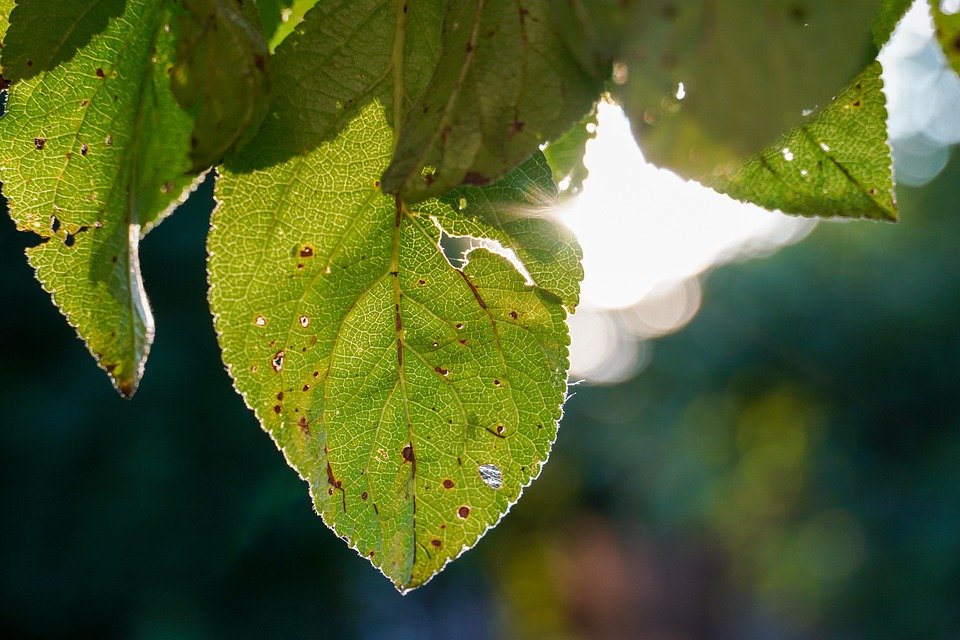
Photosynthesis is a fundamental biological process that allows green plants, algae, and some bacteria to convert light energy into chemical energy in the form of glucose. This process plays a critical role in sustaining life on Earth by producing oxygen and serving as the base of most food chains. This article breaks down the photosynthesis process into understandable steps.
Overview of Photosynthesis
Photosynthesis primarily occurs in the chloroplasts of plant cells, where chlorophyll pigments absorb sunlight. The overall chemical equation for photosynthesis can be summarized as follows:
6 CO2 + 6 H2O + light energy → C6H12O6 + 6 O2
This equation indicates that carbon dioxide and water, in the presence of light energy, are transformed into glucose and oxygen.
Steps of the Photosynthesis Process
1. Light Absorption
The first step in photosynthesis involves the absorption of light. The chlorophyll pigments present in the thylakoid membranes of chloroplasts absorb light energy, primarily from the blue and red wavelengths of the light spectrum. This energy excites electrons, which are then used in the subsequent reactions.
2. Water Splitting
As light energy is absorbed, it drives the photolysis of water. In this reaction, water molecules (H2O) are split into oxygen (O2+), and electrons:
- H2O → 2 H+ + 2 e– + O2
The oxygen produced is released as a byproduct into the atmosphere.
3. Energy Conversion: The Light Reactions
The absorbed light energy and the electrons from water splitting are utilized in the light-dependent reactions. These reactions take place in the thylakoid membranes and lead to the formation of two key energy carriers:
- ATP (adenosine triphosphate)
- NADPH (nicotinamide adenine dinucleotide phosphate)
ATP is produced through photophosphorylation, while NADPH is generated via electron transport chains.
4. Carbon Fixation: The Calvin Cycle
The energy carriers ATP and NADPH produced in the light reactions are then used in the Calvin cycle, which occurs in the stroma of the chloroplasts. This cycle involves a series of reactions that convert carbon dioxide into glucose. The main steps include:
- Carbon dioxide is fixed into a five-carbon sugar (ribulose bisphosphate) by the enzyme Rubisco, forming a six-carbon intermediate that splits into two three-carbon molecules (3-phosphoglycerate).
- Using ATP and NADPH from the light reactions, 3-phosphoglycerate is converted into glyceraldehyde-3-phosphate (G3P), which can then be used to form glucose and other carbohydrates.
- Some of the G3P molecules continue through the cycle to regenerate ribulose bisphosphate, allowing the process to continue.
Importance of Photosynthesis
Photosynthesis is not only essential for plant life but is also crucial for all aerobic life on Earth. The oxygen produced during photosynthesis is necessary for respiration in aerobic organisms, while the glucose produced serves as an energy source for growth and development in plants and the organisms that consume them.
In summary, photosynthesis is a complex yet vital process involving light absorption, water splitting, energy conversion, and carbon fixation. Understanding these steps offers insight into the intricate relationships between plants, other organisms, and the environment.