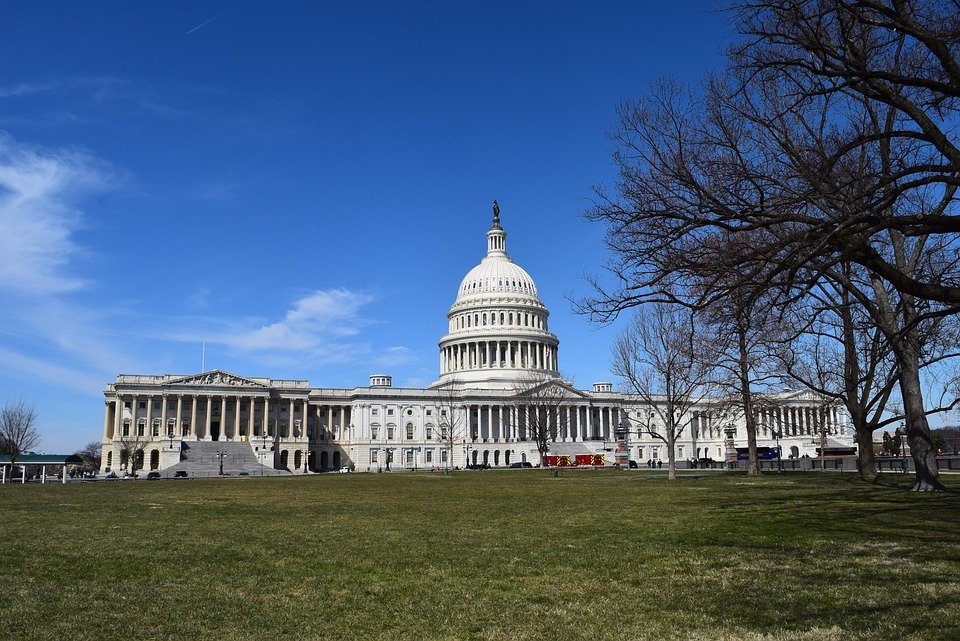
Understanding Representative Democracy
Representative democracy is a political system in which citizens elect representatives to make decisions and pass laws on their behalf. This system contrasts with direct democracy, where citizens participate directly in decision-making. Representative democracy is designed to balance the need for efficient governance with the principles of accountability and citizen participation.
Core Principles of Representative Democracy
- Popular Sovereignty: The authority of the government is derived from the consent of the governed. This principle asserts that power belongs to the people, who exercise it through voting and participation in the political process.
- Pluralism: A healthy democracy recognizes and respects diverse opinions, backgrounds, and interests. Representative democracy encourages multiple viewpoints and facilitates negotiation and compromise among various groups.
- Election of Representatives: Citizens have the right to choose their representatives in regular, free, and fair elections. These representatives are accountable to their constituents and are responsible for translating public preferences into policies.
- Rule of Law: In a representative democracy, laws apply equally to all individuals, including government officials. This principle ensures that no one is above the law, providing a foundation for justice and fairness.
- Accountability and Transparency: Elected officials are responsible for their actions and must answer to the constituents. Transparency in government processes fosters trust and allows citizens to monitor the actions of their representatives.
- Civic Engagement: Citizen participation extends beyond voting; it includes various forms of involvement in the political process, such as advocacy, public discourse, and community organization.
Citizen Participation in Representative Democracy
Active participation by citizens is crucial for the health and functioning of a representative democracy. Here are some key ways citizens can engage:
- Voting: One of the fundamental rights in a representative democracy is the right to vote. Elections are held for local, regional, and national offices, allowing citizens to choose leaders who align with their values and policies.
- Advocacy and Lobbying: Citizens can advocate for specific issues or policies by forming interest groups, participating in public demonstrations, or directly contacting their representatives to express their views.
- Public Consultations: Many governments seek public input on policy decisions through town hall meetings, surveys, or public forums. Citizens can contribute their opinions and concerns during these consultations.
- Participation in Civil Society: Non-governmental organizations (NGOs) and community groups often play important roles in promoting civic engagement, education, and advocacy, providing citizens with platforms to express their views.
- Running for Office: Individuals interested in public service can run for office at various levels of government, providing a direct avenue for citizens to influence policies and governance.
The Role of Institutions in Representative Democracy
Representative democracies often rely on institutional frameworks to function effectively. Key institutions include:
- Legislatures: Elected bodies responsible for drafting, debating, and enacting laws. Examples include the UK Parliament and the United States Congress.
- Judiciary: Courts that interpret laws and ensure justice is served. An independent judiciary is vital for upholding the rule of law and protecting citizens’ rights.
- Executive Branch: The branch responsible for enforcing laws and administering government functions, typically led by an elected leader or president.
Conclusion
Representative democracy embodies a framework that empowers citizens through participation, accountability, and structure. By engaging actively in this system, citizens not only safeguard their rights but also contribute to the overall health and robustness of the democratic process. Understanding these principles and practices can enhance civic knowledge and foster greater participation in the democratic journey.