






















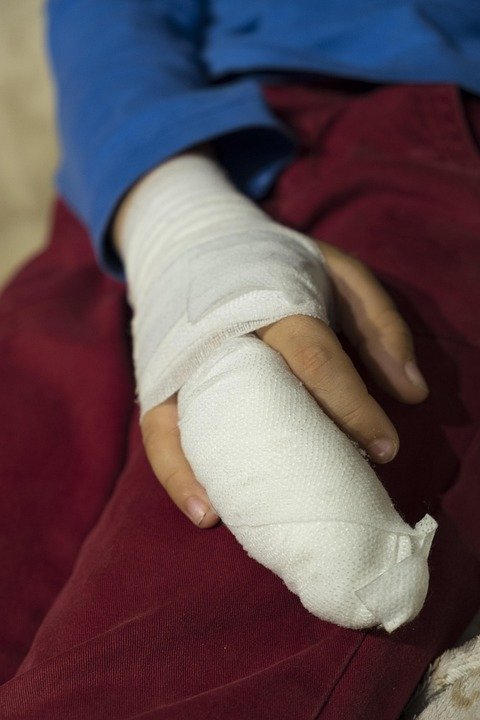
First aid plays an essential role in everyday life by providing immediate care during common accidents and emergencies. Understanding basic first aid principles can help individuals respond effectively and calmly in critical situations. This guide covers common accidents and the general first aid steps to take for each scenario.
Common Accidents and First Aid Responses
Accidents can happen anywhere, from home to workplace and outdoors. Knowing how to respond can help reduce the severity of injuries and complications. Here are several common accidents and the appropriate first aid measures:
-
1. Cuts and Scrapes
For minor cuts and scrapes:
- Wash the area with soap and water.
- Apply an antiseptic if available.
- Cover with a sterile bandage to protect the cut.
-
2. Burns
In the case of minor burns:
- Cool the burn under running water for about 10-20 minutes.
- Avoid ice, which can further damage the skin.
- Cover with a clean, non-stick bandage.
-
3. Sprains and Strains
For sprains or strains:
- Rest the injured area.
- Apply ice wrapped in cloth to reduce swelling.
- Elevate the injured area above the level of the heart.
-
4. Choking
If someone is choking:
- Encourage them to cough if they can.
- If they cannot cough or speak, perform the Heimlich maneuver.
-
5. Fainting
If someone faints:
- Place them on their back in a safe area.
- Raise their legs to improve blood flow.
- Monitor their breathing and react accordingly.
Importance of First Aid Knowledge
Having a basic understanding of first aid can empower individuals to act effectively in emergencies. Prompt first aid can help stabilize a person’s condition and may prevent complications until professional medical assistance is available. Additionally, first aid knowledge fosters confidence, enhancing the likelihood that people will assist in emergencies.
Conclusion
In conclusion, first aid is a vital skill for everyone, capable of making a significant difference in emergency situations. Familiarizing oneself with common accidents and proper responses can promote safety and well-being in everyday life. It is recommended to consider attending a formal first aid training course to acquire hands-on experience and further enhance one’s ability to respond in critical moments.






