






















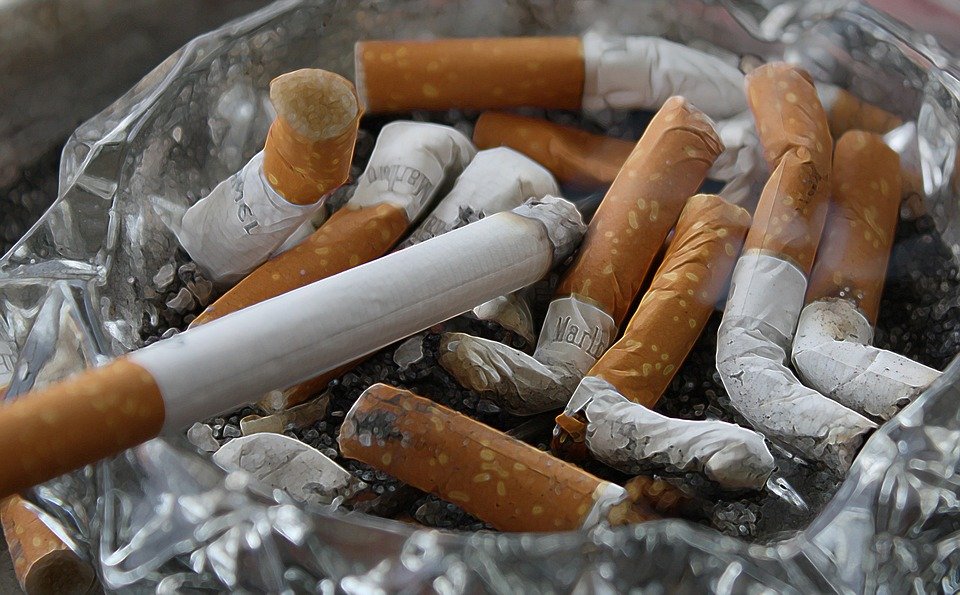
Smoking has been a major subject of public health discussions for many years due to its significant role in the development of various health issues, including cancer. Understanding the relationship between smoking and cancer can aid individuals in making informed health decisions.
How Smoking Affects the Body
When a person smokes, they inhale a mixture of over 7,000 chemicals, many of which are toxic or carcinogenic. These substances can harm nearly every part of the body. Here are a few key points about how smoking impacts health:
- Respiratory System: Smoking damages the lung tissue, affecting breathing and increasing the risk of lung cancer.
- Circulatory System: Chemicals in tobacco can affect blood vessels, leading to cardiovascular problems.
- Immune System: Smoking weakens the immune system, making the body more susceptible to various diseases.
Connection Between Smoking and Cancer
Numerous studies have established a clear connection between smoking and the increased risk of various types of cancer. Here are some key points to consider:
- Lung Cancer: Smoking is the leading cause of lung cancer, accounting for a significant percentage of cases.
- Other Cancers: Besides lung cancer, smoking is linked to cancers of the mouth, throat, esophagus, pancreas, bladder, kidney, stomach, and cervix.
- Secondhand Smoke: Inhalation of secondhand smoke also poses cancer risks to nonsmokers, particularly children and pregnant individuals.
Carcinogens in Tobacco
Tobacco smoke contains numerous carcinogens—substances that can lead to cancer development. Some of these include:
- Formaldehyde
- Arsenic
- Polonium-210
- Benzene
- Toluene
Preventive Measures
Reducing smoking rates is a key focus in public health initiatives aimed at lowering cancer incidence. Here are general preventive measures that can support this goal:
- Public education campaigns about the risks of smoking.
- Support for smoking cessation programs.
- Implementation of smoke-free zones in public spaces.
Conclusion
In summary, smoking plays a significant role in cancer development. Awareness of the risks and understanding how smoking impacts health can lead to better public health outcomes. Efforts to reduce smoking can contribute to overall cancer prevention and enhance general wellness in communities.






