






















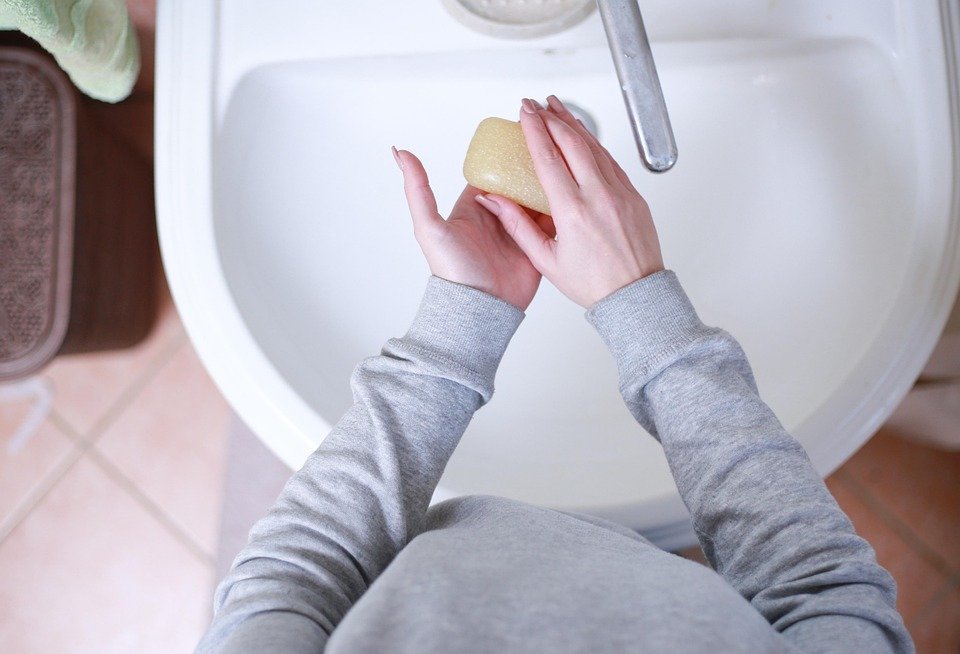
Handwashing is a fundamental part of maintaining good hygiene and preventing the spread of infections. While simply rinsing hands with water can be beneficial, incorporating soap significantly enhances the effectiveness of handwashing. This article explores how soap plays a crucial role in hand hygiene.
The Importance of Handwashing
Handwashing is recognized as one of the most effective ways to reduce the transmission of germs. It removes dirt, bacteria, and viruses from the skin, which can cause illness. Regular handwashing, especially before meals and after using the restroom, is important for overall health.
How Soap Enhances Hygiene
- Breaking Down Oils and Grease: Soap contains molecules that can trap oils and grease on the skin. This action helps to lift dirt and contaminants away from the skin, making it easier to wash them away.
- Emulsifying Properties: Soap molecules have a unique structure that allows them to interact with both water and oil. This emulsification helps to combine water and oils, allowing for a more thorough cleaning process.
- Disruption of Germs: Many germs are encased in a lipid (fatty) membrane. Soap can disrupt this membrane, effectively neutralizing many types of pathogens and making them easier to remove from the skin.
- Foaming Action: The foaming action produced when soap is lathered helps to cover the surface of the skin. This ensures that all areas are cleaned effectively, including hard-to-reach spots between fingers and under nails.
When and How to Wash Your Hands
Washing hands with soap and water is most effective when performed for at least 20 seconds. Here are recommended scenarios for handwashing:
- Before preparing or eating food.
- After using the restroom.
- After coughing, sneezing, or blowing your nose.
- After handling garbage or pet waste.
- Before and after caring for someone who is ill.
To wash hands properly, follow these steps:
- Wet hands with clean, running water (warm or cold).
- Apply soap and lather thoroughly.
- Scrub all surfaces of the hands, including backs, between fingers, and under nails, for at least 20 seconds.
- Rinse hands well under clean, running water.
- Dry hands using a clean towel or air dry them.
Conclusion
Incorporating soap into handwashing can greatly enhance hygiene by effectively removing dirt and pathogens. Understanding the role of soap in hand hygiene is essential for maintaining health and preventing illness. Regular handwashing with soap is a simple yet powerful tool in promoting overall well-being.






