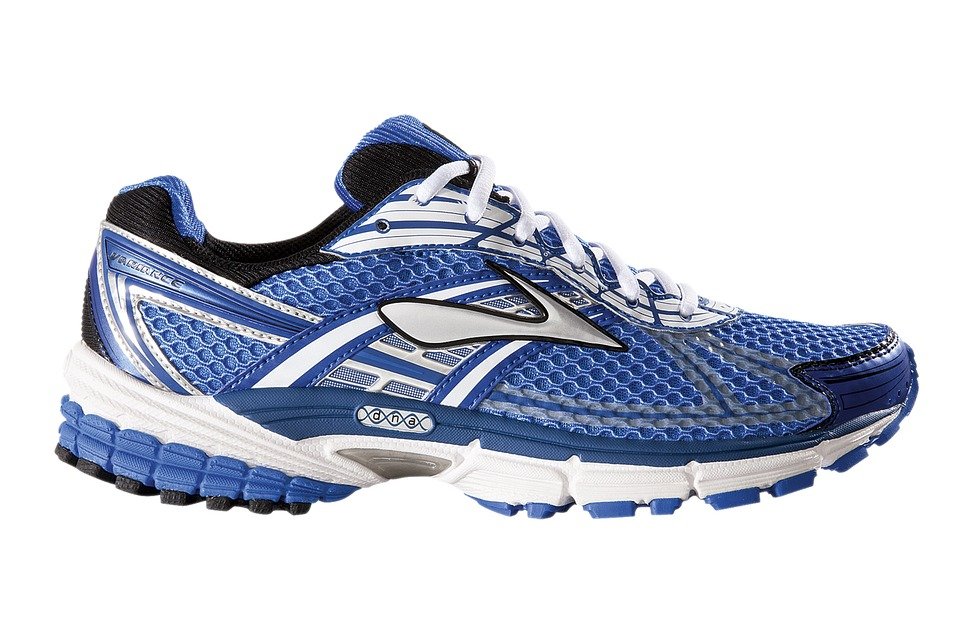
The Science of Footwear: How to Choose Proper Running Shoes for All Athletes
Choosing the right running shoes is a crucial aspect of athletic performance and injury prevention. The science behind footwear design and selection is rooted in biomechanics, comfort, and personal preference. Understanding these principles can help athletes at all levels make informed decisions about their footwear.
The Biomechanics of Running
When running, the body engages various muscles, joints, and ligaments. The impact forces generated during running can be substantial, often exceeding three times an athlete’s body weight. To minimize these forces and improve performance, footwear must provide:
- Cushioning: Soft materials in the midsole absorb shock upon landing, which can reduce the risk of injuries such as stress fractures or shin splints.
- Stability: Shoes should help maintain proper alignment of the foot and lower limb during movement. This is especially important for runners with flat feet or high arches.
- Flexibility: A shoe that allows for natural foot movement will support a runner’s gait and improve efficiency.
Types of Running Shoes
Understanding the different types of running shoes available is vital for choosing the right pair:
- Neutral Shoes: Ideal for runners with a natural gait, neutral shoes offer cushioning without additional support, making them suitable for those who do not overpronate.
- Stability Shoes: Designed for moderate overpronators, these shoes provide a balance of cushioning and support, helping to correct excessive inward rolling of the foot.
- Motion Control Shoes: These are best for severe overpronators, offering maximum support and are typically firmer in design to control excessive foot motion.
- Trail Running Shoes: Built for off-road running, these shoes have rugged outsoles for better traction and often feature additional support and protection from debris.
Measuring Foot and Gait
Before purchasing running shoes, it is essential to assess both foot type and running gait. Athletes can do this through:
- Foot Type Evaluation: This involves inspecting arch height and identifying whether one has flat, neutral, or high arches.
- Gait Analysis: This can be conducted at specialty running stores where trained staff observe how the foot strikes the ground. Technology such as video analysis can also provide insights into running mechanics.
Material Considerations
The materials used in running shoes play a significant role in performance and comfort:
- Upper Material: Breathable materials help keep the foot cool and dry, while synthetic overlays can provide additional support and structure.
- Midsole Composition: The midsole is critical for cushioning and support, with materials like EVA, polyurethane, and gel systems being commonly used.
- Outsole Design: The rubber outsole should offer durability and traction to prevent slips and falls during runs.
Personal Preference and Fit
Ultimately, the best running shoe should fit well, provide comfort, and cater to individual preferences. Key points to consider include:
- Ensuring there is enough toe space (about a thumb’s width between the toes and the front of the shoe).
- Choosing shoes that feel comfortable from the start; there should be no need for a ‘break-in’ period.
- Considering the type of terrain where the shoes will primarily be used—road versus trail can significantly influence shoe choice.
Conclusion
Athletes should approach the selection of running shoes thoughtfully, considering biomechanics, individual foot characteristics, and personal preferences. By choosing the right footwear, athletes can enhance their performance and significantly reduce their risk of injury.